









SpiceJet has received a Memorandum of Understanding (MoU) for the induction of 10 aircraft, marking another step in its recovery and expansion journey. An MoU is a preliminary agreement that outlines intent between parties before final binding contracts are signed.
The development follows the airline’s recent board approval for a calibrated fleet ramp-up to 60 aircraft through a mix of wet and damp leases, along with the phased return of previously grounded planes. This structured approach indicates that the airline is focusing on measured growth while rebuilding operational strength.
SpiceJet’s operational turnaround has gathered pace in recent months. In the last quarter alone, the airline doubled its capacity. Available Seat Kilometres (ASKMs) — a key aviation metric that measures total passenger-carrying capacity — increased from around 55 crore to 105 crore. ASKMs are calculated by multiplying the number of available seats by the distance flown, providing a clear picture of how much capacity an airline is offering in the market.
Encouraged by the recent improvement, SpiceJet now plans to more than double its capacity during the year. The airline is targeting approximately 220 crore ASKMs by Winter 2026 and aims to operate more than 300 daily flights across its network.
Debojo Maharshi, Chief Business Officer at SpiceJet, said the sharp rise in capacity reflects improving passenger demand and renewed confidence in the airline’s business model. He described the doubling of capacity in the last quarter as a significant milestone and called the MoU an encouraging development in the company’s phased rebuilding strategy.
Going forward, SpiceJet says its priority remains restoring capacity, strengthening connectivity, improving operational reliability and maintaining financial discipline. The airline appears to be balancing growth ambitions with caution as it works toward long-term stability and sustained recovery in India’s competitive aviation sector.
ନିଶିନ୍: ଏସୀୟ କ୍ରୀଡ଼ା ୨୦୨୬ର ମହିଳା କ୍ରିକେଟ୍ ଫାଇନାଲ୍&...
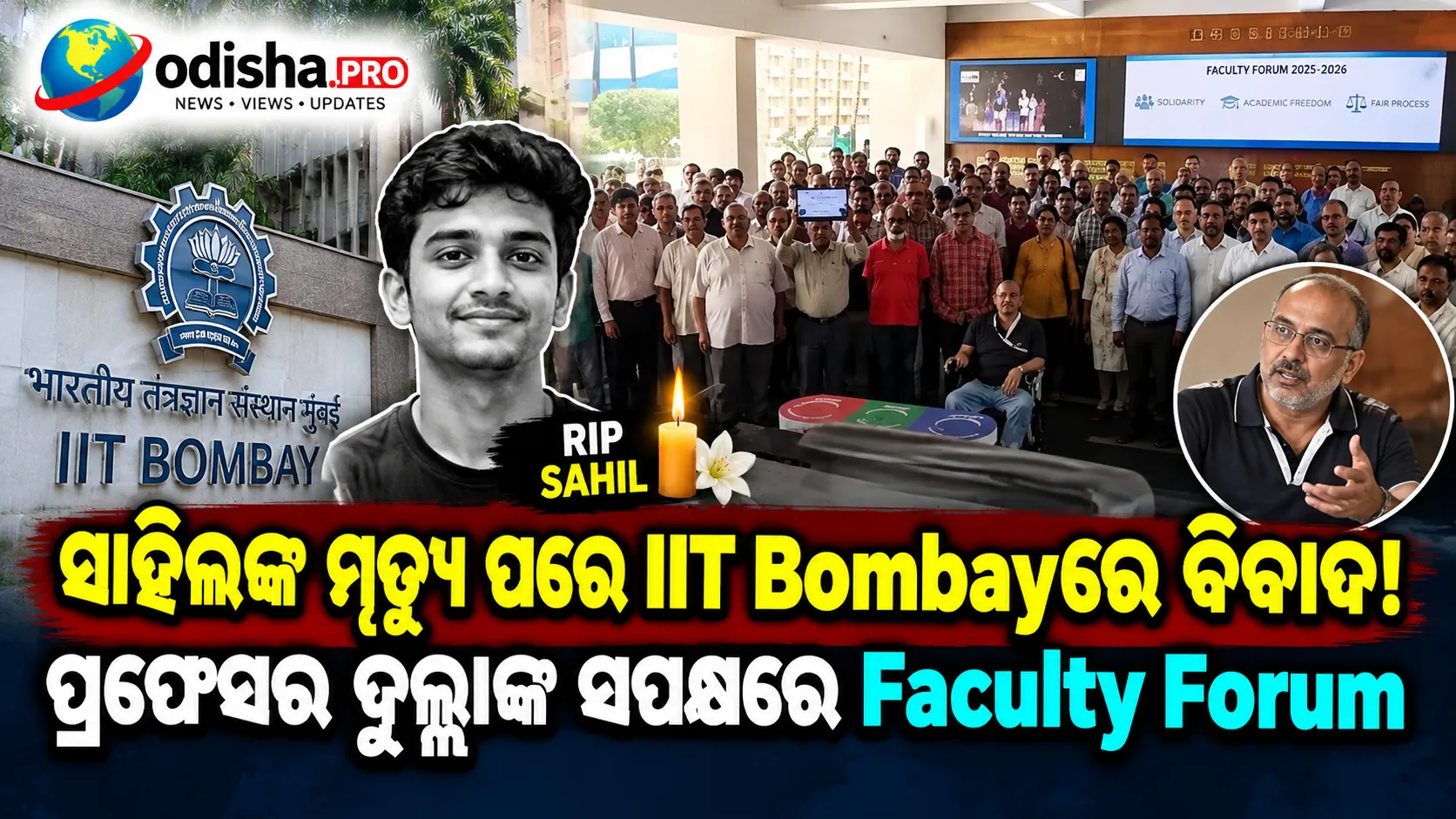
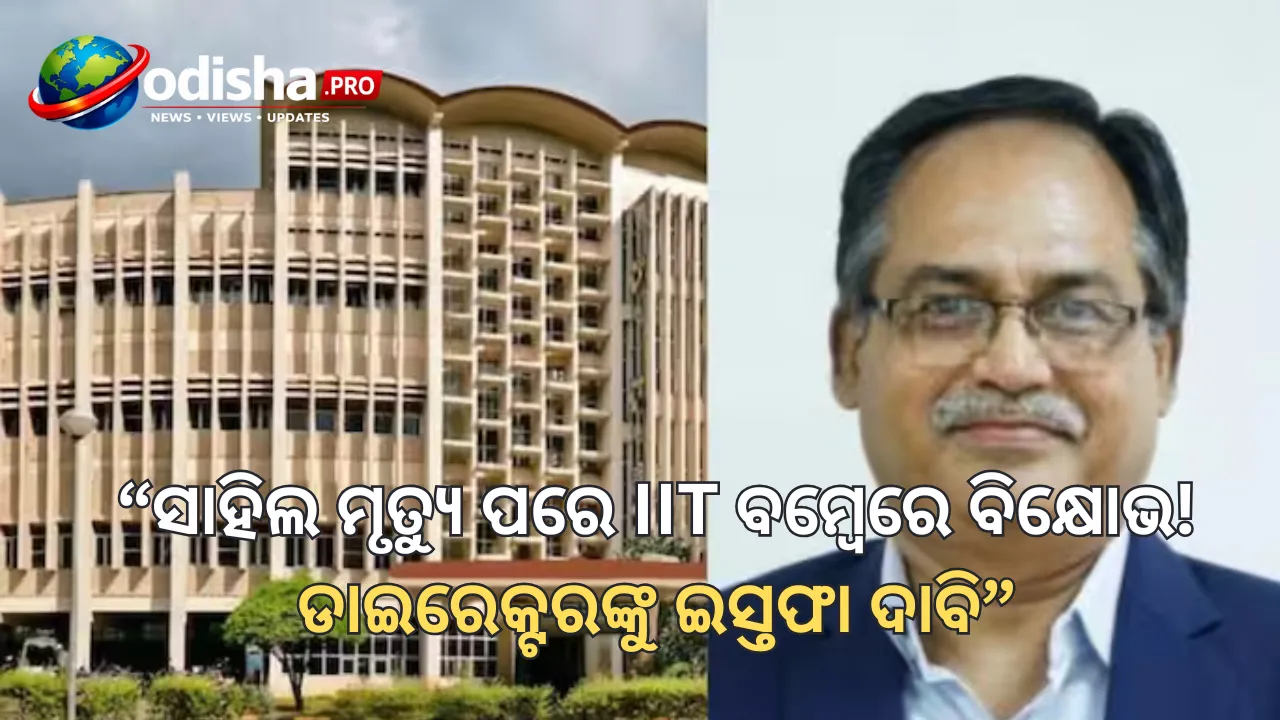
ମୁମ୍ବାଇରଆଇଆଇଟି ବମ୍ବେରେ ଛାତ୍ର ସାହିଲ ରବୀନ୍ଦ୍ର ୱାକୋଡେ...
ଓଡ଼ିଶାର ସରକାରୀ ସ୍କୁଲଗୁଡ଼ିକରେ ନୂଆ ପାଠ୍ୟକ୍ରମ ଅନୁଯାୟୀ...

ସୁନ୍ଦରଗଡ଼: ବୀରମିତ୍ରପୁର-ରାଇବୋଗା ରୋଡ୍‌ରେ ଥିବା S...

କଟକ: ଚୌଦ୍ୱାର ସର୍କଲ୍ ଜେଲ୍‌ର ସିନିୟର ସୁପରିଣ୍ଟେଣ୍...

ବରଗଡ଼ ଜିଲ୍ଲାର ଜଣେ ପଞ୍ଚାୟତ ଏକ୍ଜିକ୍ୟୁଟିଭ୍ ଅଫିସର (PEO...
ସାନୋ: ଜାପାନର ସାନୋ ଇଣ୍ଟରନ୍ୟାସନାଲ୍ କ୍ରିକେଟ୍ ଗ୍ରାଉଣ୍ଡ...
IIT Bombayର ଦ୍ୱିତୀୟ ବର୍ଷର BTech ଛାତ୍ର ସାହିଲ ରବୀନ୍ଦ...
ଆଇପିଏଲ୍‌ ୨୦୨୭ ପୂର୍ବରୁ ଚେନ୍ନାଇ ସୁପର କିଙ୍ଗ୍ସ ନି...
କ୍ରିକେଟ୍‌ପ୍ରେମୀଙ୍କ ଅପେକ୍ଷାରେ ବର୍ଷା ପାଣି ପକାଇଦ...
ମୁମ୍ବାଇରଆଇଆଇଟି ବମ୍ବେରେ ଛାତ୍ର ସାହିଲ ରବୀନ୍ଦ୍ର ୱାକୋଡେ...

ଭୁବନେଶ୍ୱର:ସୋସିଆଲ ମିଡିଆରେ କରାଯାଇଥିବା ଏକ LIVE ଭିଡିଓକ...