





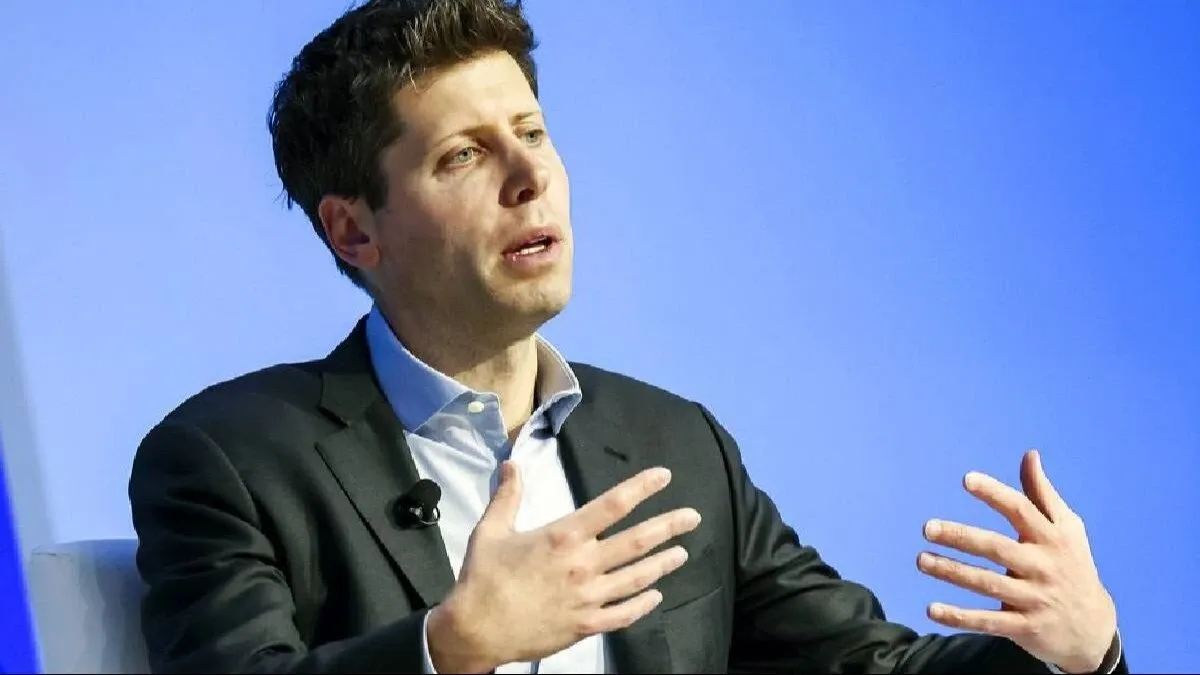
At the India AI Summit, OpenAI CEO Sam Altman delivered a thought-provoking perspective on how artificial intelligence is reshaping work, ambition, and even human purpose. His remarks highlighted a growing reality: machines are becoming extraordinarily powerful at tasks once considered uniquely human.
“It’ll be very hard to outwork a GPU in many ways,” Altman said, emphasizing how computing systems now outperform humans in speed, scale, and certain forms of problem-solving. As AI models grow more advanced, productivity gaps between machines and people will likely widen in data-heavy and repetitive knowledge tasks.
Yet Altman balanced this warning with optimism. “It’ll be easy in some other ways,” he noted, pointing to human qualities that remain difficult to replicate—empathy, creativity, judgment, and social intelligence. Humans, he stressed, are “hardwired to care about other people much more than we care about machines.” That instinct may become even more valuable as automation expands.
His comments arrive during a period of rapid global AI adoption. Generative AI is projected to contribute trillions of dollars to the global economy in the coming decade, while transforming industries ranging from finance and healthcare to education and entertainment. Many knowledge-based roles are already being augmented—or partially automated—by AI systems.
India stands at a pivotal moment in this transformation. With one of the world’s largest developer communities and rapidly expanding digital infrastructure, the country is positioned to become a global AI talent hub. Investment in AI research, infrastructure, and startup ecosystems continues to accelerate.
Altman also framed today’s technological disruption within a broader historical perspective. “Technology always disrupts jobs. We always find new and better things to do,” he said. Looking back 500 years, he suggested that many modern professions might appear strange or trivial to people of that era. Similarly, people 500 years from now may look back at today’s jobs as transitional steps in a much larger story of human progress.
His long-term optimism centers on fulfillment. Future generations, he hopes, will see today’s society as “impossibly rich people, playing games, trying to find ways to pass their times.” The implication is clear: productivity gains from AI could eventually free humans to pursue more meaningful, creative, and socially valuable work.
The core message from the summit was not fear—but adaptation. Competing directly with AI on raw productivity may be futile. However, cultivating distinctly human strengths—creativity, empathy, collaboration, ethical reasoning, and vision—could define success in the next economic era.
As India deepens its AI investments, the real challenge is not whether AI will change work—it already is. The critical question is whether individuals, institutions, and governments can adapt quickly enough to shape a future where technology enhances human fulfillment rather than replaces it.

ଅରୁଣାଚଳ ପ୍ରଦେଶର ଟାକ୍ସିଂ ଅଞ୍ଚଳର ଆସାଫିଲା ଓ ଲୋଙ୍ଗଜୁରେ...
ବଙ୍ଗୋପସାଗରରେ ବଢ଼ୁଛି ପ୍ରଣାଳୀର ଶକ୍ତି ପୂର୍ବ-କେନ୍ଦ୍...
ଜାପାନୀ ପ୍ରତିନିଧି ଦଳର ଓଡ଼ିଶା ଗସ୍ତ ଓଡ଼ିଶାରେ ଜାପାନ...

ହରିୟାଣାର ମୋଷ୍ଟ ୱାଣ୍ଟେଡ୍ ଗ୍ୟାଙ୍ଗଷ୍ଟର ହିମାଂଶୁ ଭାଉ ଆମ...
କେଉଁ ରାସ୍ତାରେ ଲାଗିବ କଟକଣା? କମିଶନରେଟ୍ ପୋଲିସର ନିର...

ମହାରାଷ୍ଟ୍ରର ମୁମ୍ବାଇରେ ଜାତୀୟ ଏକତା ଦିବସ ଅବସରରେ &lsqu...
ଉତ୍ତର ଆନ୍ଧ୍ର–ଦକ୍ଷିଣ ଓଡ଼ିଶା ଉପକୂଳ ଆଡ଼କୁ ଗତି...

ମୁମ୍ବାଇରେ ଆତଙ୍କବାଦ ବିରୋଧୀ ଅଭିଯାନ ସମୟରେ ମହାରାଷ୍ଟ୍ର...