





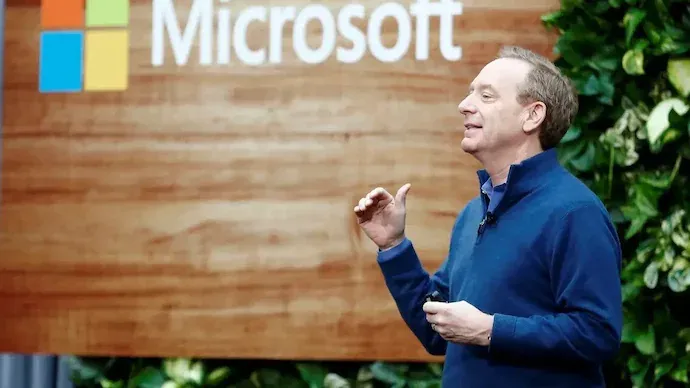
“A wise man learns from his own mistakes, a genius learns from others.”
This powerful insight, often cited by Brad Smith, reflects a leadership philosophy rooted in humility, collaboration, and continuous learning. In a rapidly changing technological world, Smith believes that the ability to absorb lessons from others can accelerate progress and prevent costly missteps.
Born on January 17, 1959, in Milwaukee, Wisconsin, Smith grew up in a technically oriented environment. His father worked as an engineer and manager, exposing him early to structured problem-solving and leadership thinking. From his school days—where he served as student body president and editor of his high school newspaper—Smith demonstrated qualities that would later define his executive career.
He studied international relations and economics at Princeton University before earning his law degree from Columbia University. His academic foundation in law, economics, and policy prepared him for the complex intersection of technology and governance.
Smith joined Microsoft in 1993. Over the years, he rose through the ranks, becoming General Counsel in 2002, President and Chief Legal Officer in 2015, and Vice Chair in 2021. In these roles, he has overseen legal strategy, corporate governance, privacy, cybersecurity, environmental sustainability, and human rights initiatives.
Beyond corporate leadership, Smith co-authored the bestselling book Tools and Weapons, which explores the promise and peril of the digital age. The book urges governments and technology companies to share responsibility for managing emerging technologies ethically.
At the heart of his quoted philosophy lies a simple yet transformative idea: learning from personal mistakes builds resilience, but learning from others builds wisdom faster. Personal experience can be powerful, but it is often costly. Observing others’ successes and failures allows leaders to make better decisions without repeating avoidable errors.
In the tech industry—where innovation moves quickly and risks are high—this approach is practical and strategic. Smith frequently engages with policymakers, regulators, civil society organizations, and industry peers to understand global challenges and solutions. This collaborative mindset reduces reputational risk, strengthens decision-making, and fosters a culture of open dialogue.
His additional leadership quotes reinforce this philosophy:
“Create focus: Paint the vision, then articulate priorities to make progress.”
“It’s important that you always run to something, not from something.”
“We have two ears and one mouth—we should first seek to understand, then be understood.”
“Life is a team sport, and we can only fly by embracing one another.”
Together, these principles form a consistent message: leadership is not about individual brilliance alone. It is about listening, learning, adapting, and working collectively toward shared goals.
In an era shaped by artificial intelligence, cybersecurity threats, and digital transformation, Smith’s message is especially relevant. The challenges of today cannot be solved in isolation. They require leaders who are open-minded enough to learn from others and courageous enough to apply those lessons responsibly.

ହଟିଲା Dhumavathiଙ୍କ ଚର୍ଚ୍ଚିତ ଡ୍ୟାନ୍ସ ସିନ୍ Netfl...

ଅକ୍ଟୋବର ୧୮ ତାରିଖରେ ମୁମ୍ବାଇର ଜୁହୁ ଅଞ୍ଚଳରେ ଟାଇଗର ଶ୍ର...

ଭାରତ କାହିଁକି ବଡ଼ ଟାର୍ଗେଟ୍? ମାଇକ୍ରୋସଫ୍ଟର ୨୦୨୬ ଡି...
ଉତ୍ତର ଆନ୍ଧ୍ର–ଦକ୍ଷିଣ ଓଡ଼ିଶା ଉପକୂଳ ଆଡ଼କୁ ଗତି...

ସେନ୍ସେକ୍ସ ଓ ନିଫ୍ଟିରେ ଲଗାତାର ଚତୁର୍ଥ ଦିନ ହ୍ରାସ ଶୁ...

ପଞ୍ଜାବୀ ଗାୟକ ଓ ଅଭିନେତା ଦିଲଜିତ ଦୋସାଞ୍ଜଙ୍କ ଦିଲ୍ଲୀ କନ...

ଯାତ୍ରା ପାଇଁ ଗଲା ୧.୬୩ ବିଲିୟନ ଡଲାର ଅଗଷ୍ଟରେ LRS ଅଧ...

ଅଗଷ୍ଟରେ କେତେ ଡଲାର କିଣିଲା RBI? RBIର ମାସିକ ବୁଲେଟି...
