



India has emerged as one of the world’s busiest IPO markets, with new listings hitting Dalal Street almost every week. Oversubscriptions of 50 times, 100 times, even 200 times have become common, and listing-day gains frequently grab headlines.
But beneath the excitement lies a crucial question: where is the money really going?
A detailed study by 1 Finance Magazine, which analysed more than 1,700 IPOs between 2015 and 2025, reveals a structural shift. Around 63% of total IPO proceeds during this period came from Offer for Sale (OFS), while only 37% was fresh capital raised for business expansion.
In simple terms, most IPO money today is going to existing shareholders selling their stake — not into strengthening company balance sheets.
A decade ago, IPOs were largely vehicles for raising growth capital. Companies used funds to expand operations, reduce debt or enter new markets. Over time, that balance has shifted toward exit-driven listings.
An IPO dominated by fresh issue improves the company’s financial position. An IPO dominated by OFS primarily changes ownership without adding new capital to the business.
The study notes that neither structure is inherently superior. IPOs serve different objectives — some fund growth, others facilitate exits. However, retail investors may not always realise that they are often buying shares from promoters or early investors reducing exposure.
The data reveals a consistent pattern. Fresh-issue-heavy IPOs deliver median listing gains of around 6.7%, but one-month median returns drop to negative 8%, and one-year median returns fall further to about negative 13%.
OFS-heavy IPOs show stronger median listing gains of roughly 11%, yet one-month returns decline to around negative 4%, with one-year returns near negative 10%.
The takeaway is clear: listing-day excitement does not reliably translate into long-term wealth creation.
IPOs subscribed more than 200 times show median listing gains of around 90%. However, within a month, median returns fall into negative territory, and one-year outcomes remain inconsistent.
High subscription often signals abundant liquidity and market enthusiasm — not necessarily superior fundamentals or fair pricing. Excessive demand can inflate expectations, which later adjust when growth fails to match hype.
The study also highlights that IPO issuance tends to rise after strong equity market rallies. Tracking IPO volumes against 12-month returns of the Nifty 50 shows that more companies list during periods of high optimism and valuations.
Promoters are more likely to sell when pricing power is strongest. For investors, this means IPO booms often coincide with peak sentiment rather than early-cycle opportunity.
Unlike earlier cycles driven heavily by foreign inflows, the recent IPO wave has been supported by domestic liquidity — particularly mutual fund inflows and growing retail participation. India’s investor base has become deep enough to absorb large primary market supply.
In effect, Indian investors are largely funding this IPO expansion.
The type of companies going public has also shifted. Between 2015 and 2019, financial services, consumer businesses and technology companies dominated listings. After 2021, industrials, manufacturing and infrastructure-linked firms gained prominence — reflecting India’s capex cycle and infrastructure push.
IPO activity, therefore, mirrors broader economic cycles rather than leading them.
Animesh Hardia, Editor-in-Chief of 1 Finance Magazine, sums it up clearly: listing pops may feel rewarding, but they often fade quickly.
The real question for investors is simple:Is your capital building the business, or funding someone’s exit?
The study does not suggest IPOs are inherently poor investments. Instead, it underscores that structure, valuation, timing and business quality matter more than subscription numbers or listing-day gains.
Before applying to the next 200-times subscribed issue, investors may want to pause and consider who is on the other side of the trade.
Because in many cases today, your IPO investment may be funding the promoter — not the company’s future growth.

କଟକ: ଚୌଦ୍ୱାର ସର୍କଲ୍ ଜେଲ୍‌ର ସିନିୟର ସୁପରିଣ୍ଟେଣ୍...

ଭୁବନେଶ୍ୱର:ସୋସିଆଲ ମିଡିଆରେ କରାଯାଇଥିବା ଏକ LIVE ଭିଡିଓକ...
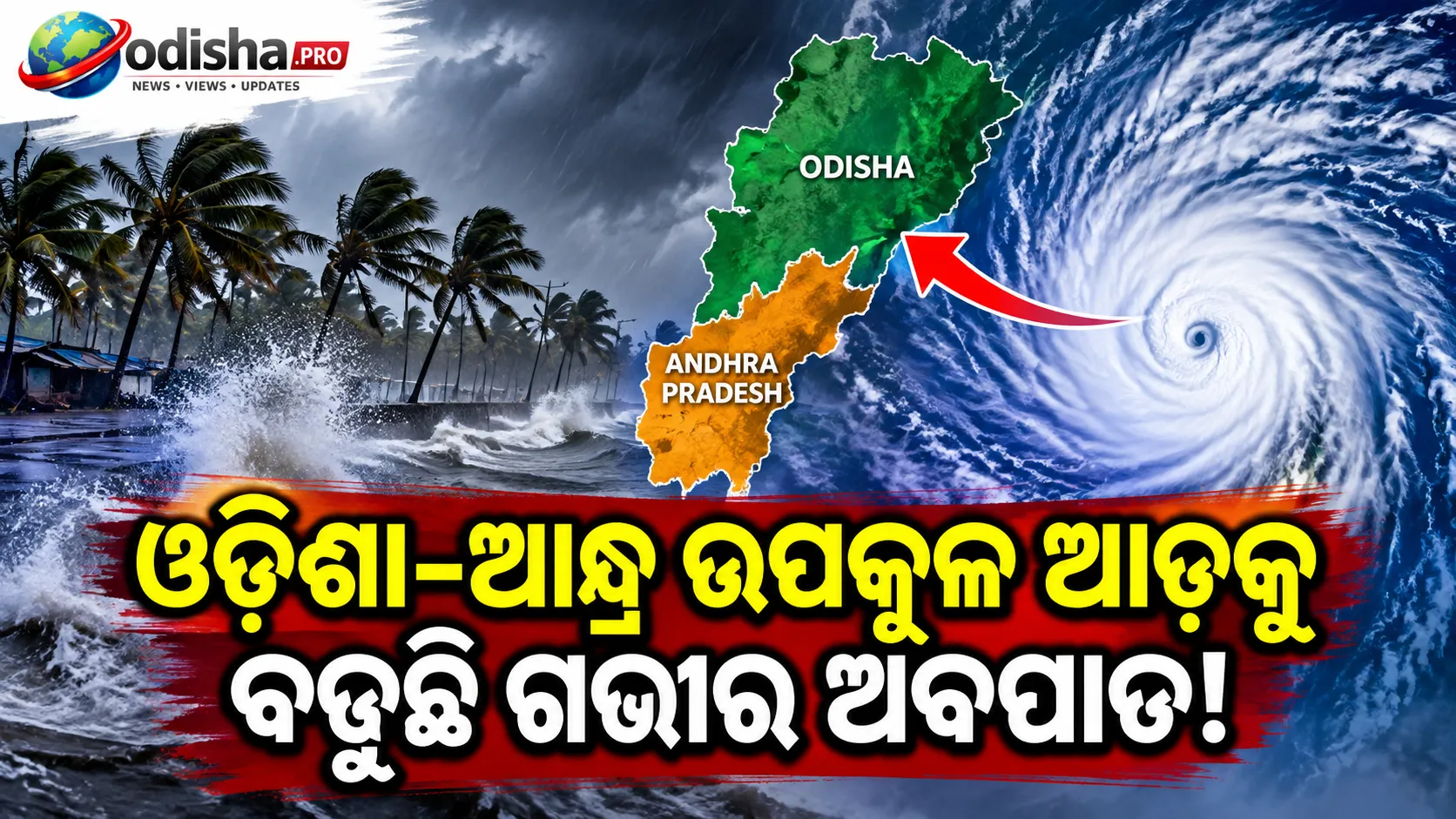
ଭୁବନେଶ୍ୱର: ବଙ୍ଗୋପସାଗରରେ ସୃଷ୍ଟି ହୋଇଥିବା ଅବପାତ ଏବେ ଓ...
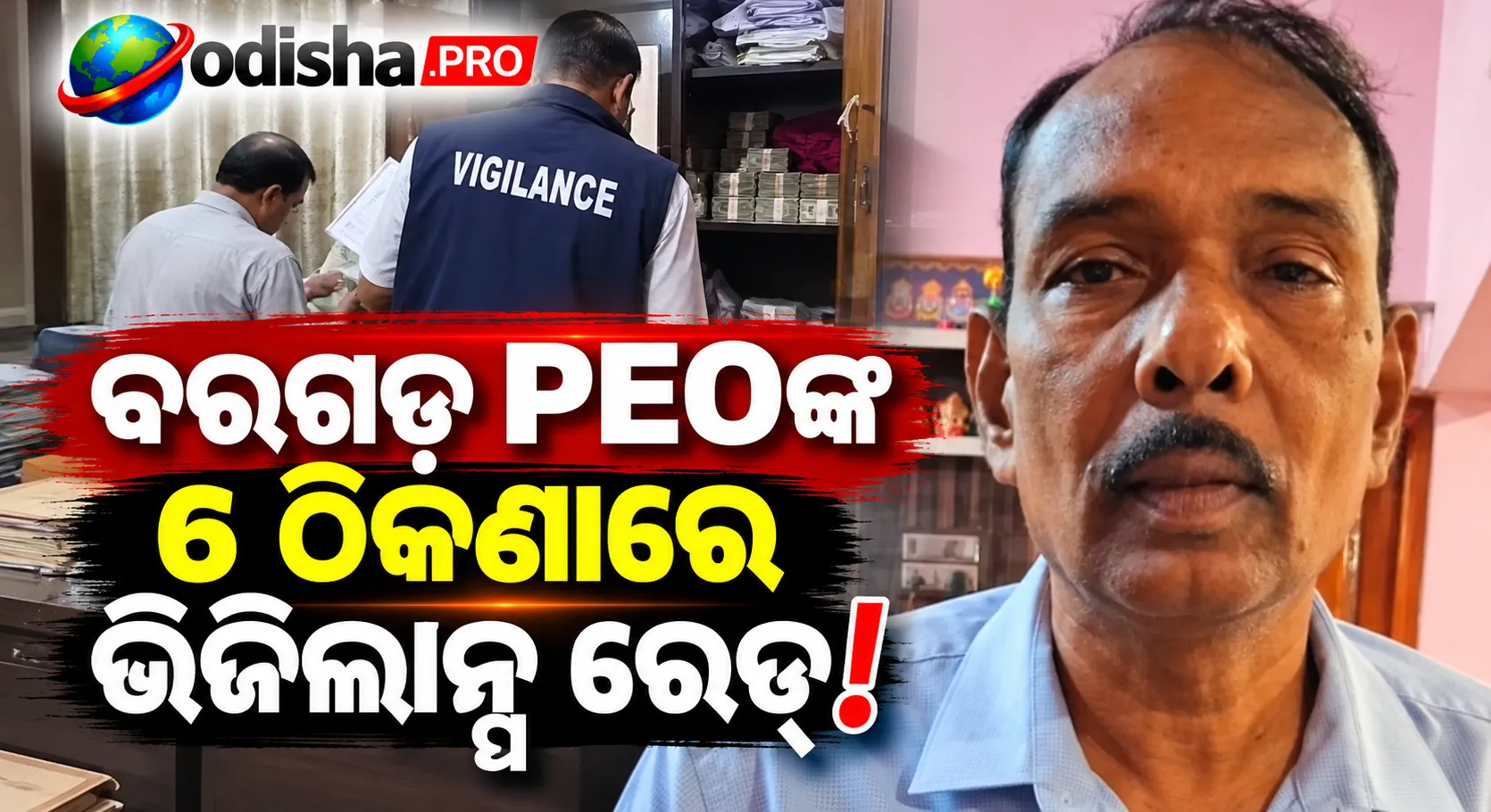
ବରଗଡ଼ ଜିଲ୍ଲାର ଜଣେ ପଞ୍ଚାୟତ ଏକ୍ଜିକ୍ୟୁଟିଭ୍ ଅଫିସର (PEO...
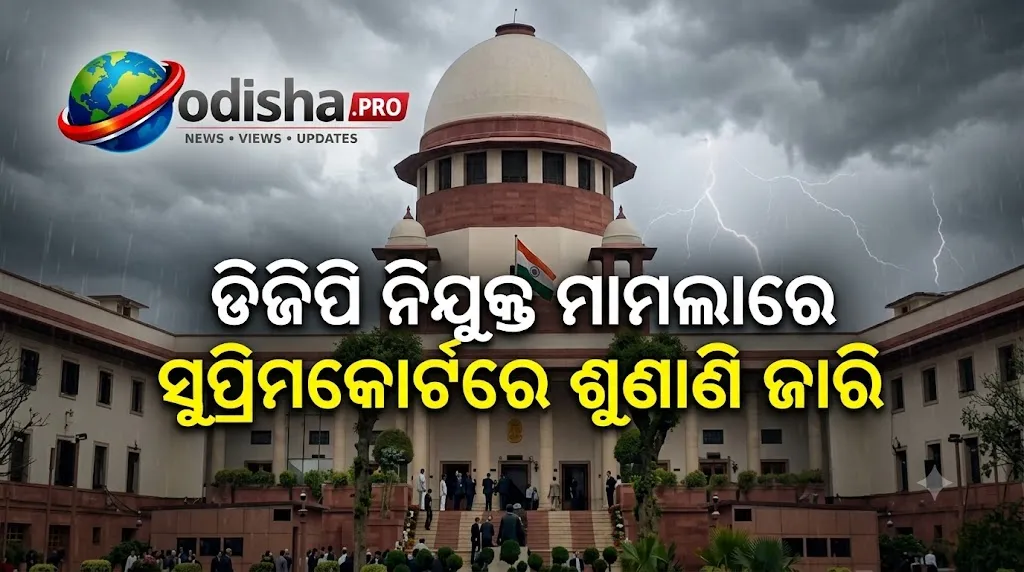
ଓଡ଼ିଶାର ପରବର୍ତ୍ତୀ ଡିଜିପି ନିଯୁକ୍ତି ପ୍ରକ୍ରିୟାକୁ ନେଇ...

ଓଡ଼ିଶାର ସରକାରୀ ସ୍କୁଲଗୁଡ଼ିକରେ ନୂଆ ପାଠ୍ୟକ୍ରମ ଅନୁଯାୟୀ...

ସୁନ୍ଦରଗଡ଼: ବୀରମିତ୍ରପୁର-ରାଇବୋଗା ରୋଡ୍‌ରେ ଥିବା S...
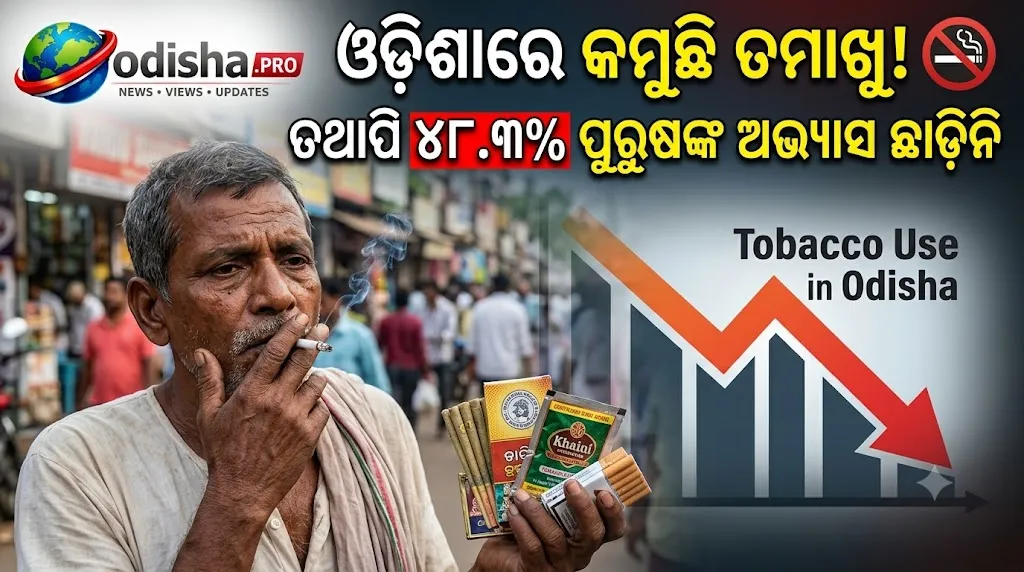
ଓଡ଼ିଶାରେ ତମାଖୁ ବ୍ୟବହାରକୁ ନେଇ ଆସିଛି ଏକ ମିଶ୍ର ଚିତ୍ର।...
