





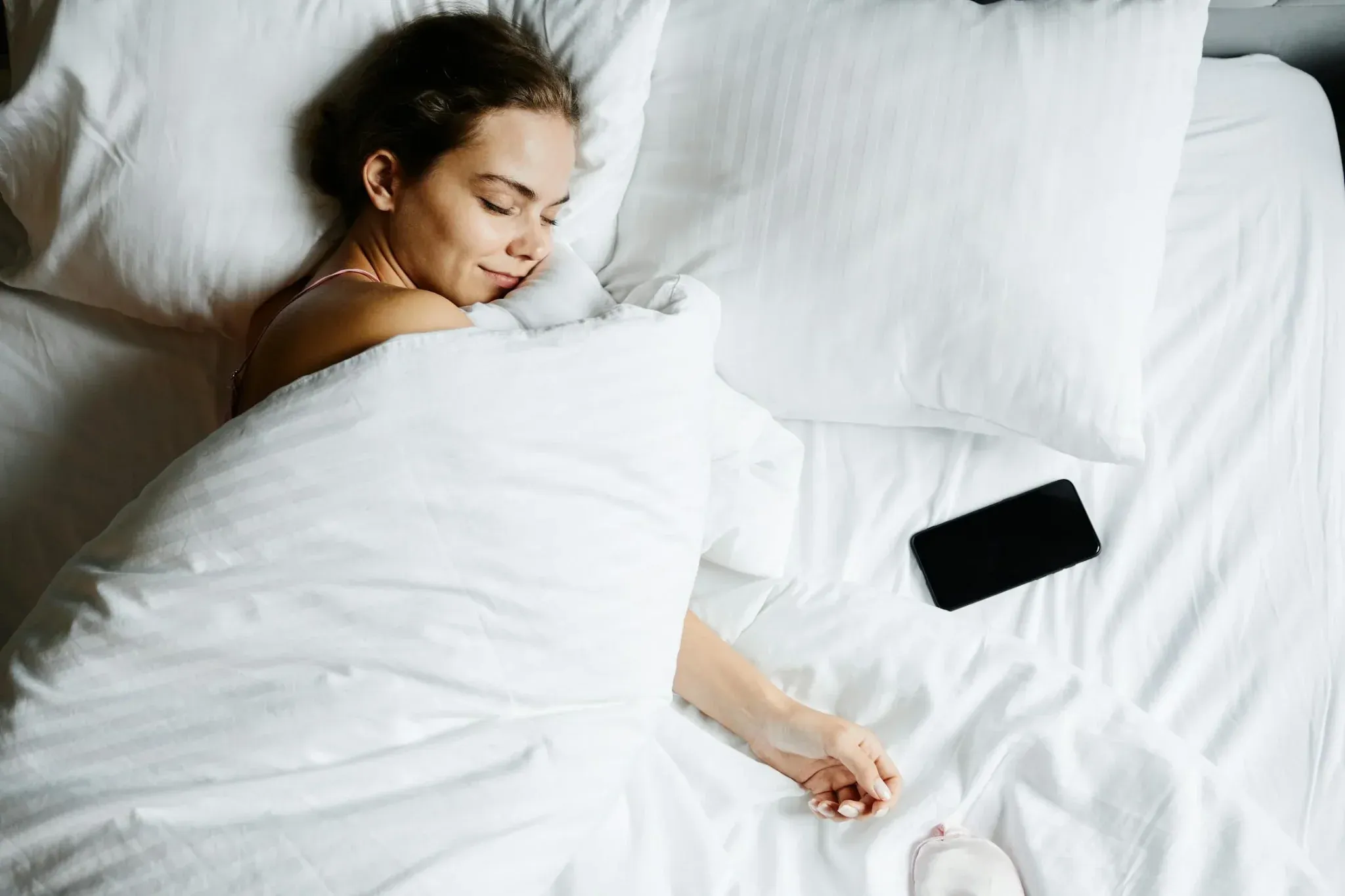
For decades, travel has been synonymous with constant movement—packed itineraries, early mornings, crowded sightseeing schedules and the pressure to “make the most” of every moment. Today, that mindset is beginning to shift. A growing number of travellers are choosing to slow down, do less, and prioritise how they feel rather than how much they see. One of the clearest signs of this change is the rise ofnapcations—holidays centred on rest, sleep and intentional slowness.
At first glance, napcations may sound indulgent or even frivolous. But their growing popularity reflects deeper changes in how people view work, health and time. In an era shaped by burnout, screen fatigue and chronic sleep deprivation, rest itself has become a valid travel goal.
A napcation is exactly what it sounds like: a trip designed primarily for recovery rather than activity. Guests are not expected to follow schedules, chase experiences or even leave the hotel. Instead, the focus is on napping, resting and moving at a personal pace. Hotels catering to this trend emphasise sleep-friendly environments—quiet rooms, blackout curtains, soundproofing, high-quality mattresses and carefully managed lighting. Days remain deliberately unstructured, with optional access to spas, gentle wellness treatments or calm communal spaces.
What sets napcations apart from traditional wellness retreats is their tone. There are no mandatory sunrise yoga sessions or rigid routines. The appeal lies in permission—the freedom to rest without justification, performance goals or self-improvement pressure.
A typical napcation day is intentionally uneventful. Guests wake naturally, eat when they choose, nap freely and spend long stretches doing very little. The absence of urgency is central to the experience.
Hotels supporting this trend also adjust their service styles. Housekeeping is discreet, background noise is minimised, and quiet hours may extend throughout the day. Design plays a crucial role: soft textures, neutral colours and minimal visual clutter reduce stimulation, while lighting is tuned to natural circadian rhythms. Many properties also encourage digital detoxing by limiting screen use or offering tech-free spaces.
Napcations evolved from the broader concept of sleep tourism, which gained momentum as research increasingly linked sleep quality to physical and mental health. Early sleep tourism focused on structured programmes, clinical assessments and partnerships with sleep specialists. While effective, these experiences could feel intimidating or overly medicalised.
Napcations represent a gentler evolution. Instead of optimisation and data, they prioritise comfort and ease. The goal is not to “fix” sleep, but to experience rest without effort—making rest-centric travel more accessible and emotionally appealing.
Napcations sit alongside several overlapping travel movements shaped by similar cultural pressures:
Quietcations, which prioritise silence and seclusion in low-density or remote locations
Hushpitality, a hospitality philosophy that engineers calm through sound design, service policies and spatial planning
Digital detox travel, which limits connectivity to reduce mental overload
Slow travel, encouraging longer stays, fewer destinations and reduced movement
Together, these trends signal a shift away from stimulation and towards restoration.
The rise of napcations is closely tied to modern work culture. Long hours, blurred work-life boundaries and constant digital engagement have normalised exhaustion. Even travel—once an escape—has become another task to optimise and document.
Napcations challenge that mindset. They recognise that true recovery requires stillness, not novelty. At the same time, the definition of luxury is evolving. Where luxury once meant excess and spectacle, it now increasingly means absence—the absence of noise, obligation and intrusion. For many travellers, being unreachable has become the ultimate premium.
Hotels and resorts have quickly recognised the commercial potential of rest-first travel. Napcation packages are now marketed with the same care once reserved for adventure or culinary experiences. However, there is a risk: when calm is over-branded or over-programmed, it can undermine the experience itself. The success of napcations ultimately depends on whether properties genuinely allow guests to disengage—and whether travellers allow themselves to slow down.
Whether napcations remain a niche trend or reshape mainstream travel remains to be seen. But the forces driving them—burnout, overstimulation and changing attitudes toward time—are unlikely to fade. What is clear is that travel is increasingly judged not by what is accomplished, but by how one feels on returning.
In that sense, napcations are not simply about sleeping on holiday. They are about reclaiming rest as something worth travelling for—where silence, slowness and stillness become the main attraction.
ସାମରିକ ଘାଟିରେ ଭୟଙ୍କର ଅଗ୍ନିକାଣ୍ଡ ଶନିବାର, ଅକ୍ଟୋବର...

ତାମିଲନାଡୁର ପ୍ରମୁଖ ରାଜନୈତିକ ଦଳଡିଏମକେଶନିବାର ଚେନ୍ନାଇର...
ଶିଶୁଙ୍କ ଇଣ୍ଟରନେଟ୍ ଅଧିକାରକୁ ନେଇ ସୁପ୍ରିମକୋର୍ଟଙ୍କ ବଡ଼...

ଭାରତର ଯୁବ ପ୍ରତିବାଦ ଓ **Cockroach Janta Party (CJP)...

ପଞ୍ଜାବରେ ନିଶା କାରବାର ଓ ଆଇନଶୃଙ୍ଖଳାକୁ ନେଇ ରାଜନୈତିକ ବ...
କୋଲକାତାର ଉତ୍ତର ଅଞ୍ଚଳର ଚୋରବାଗାନ ସର୍ବଜନୀନ ଦୁର୍ଗାପୂଜା...
ଦିଲ୍ଲୀର ରାମଲୀଳା ମୈଦାନରେ ନଭେମ୍ବର ୧ରେ କଂଗ୍ରେସର ପ୍ରସ୍...

ଭାରତରେ ନିର୍ବାଚନୀ ଭୋଟର ତାଲିକା ସଂଶୋଧନ ଓ SIR ପ୍ରକ୍ରିୟ...
