









India’s leading IT stocks have witnessed a sharp correction over the past month, raising concerns among investors. Shares of Infosys are down around 18% from recent highs, while Tata Consultancy Services (TCS) has fallen roughly 14%. For companies traditionally viewed as stable compounders, such a decline has unsettled market participants.
Although there has been a mild bounce in early trade with some buying at lower levels, the broader trend in recent weeks has clearly been downward.
There are two primary factors behind the correction.
1. Global UncertaintyLarge corporations in the United States and Europe are exercising caution in technology spending. When enterprises delay or reduce new IT projects, Indian IT companies experience slower deal inflows and weaker revenue growth expectations. Markets react quickly to any sign of slower growth, especially in sectors that previously commanded premium valuations.
2. Artificial Intelligence (AI) ConcernsAI tools are now capable of writing code, analysing data and automating routine tasks. Investors fear that automation could reduce demand for traditional IT services such as application maintenance, coding and support work — segments that have historically driven revenues for Indian IT firms.
This has led to what analysts describe as avaluation reset. A valuation reset occurs when investors reduce the price they are willing to pay for a stock due to lower future growth expectations. It does not necessarily mean the business model is collapsing — rather, the stock price adjusts to reflect revised assumptions.
According to Dhanshree Jadhav, Analyst – Technology at Choice Institutional Equities, the correction should not be interpreted as the beginning of a sector-wide crisis.
She notes that enterprise systems — the complex platforms large corporations use to manage operations, compliance and security — cannot be replaced overnight. AI is evolving as a powerful tool, but it requires structured data, regulatory oversight, integration expertise and human supervision.
In simple terms, AI enhances productivity but still depends on skilled professionals to deploy and manage it effectively.
Indian IT firms historically operated on alabour arbitrage model, leveraging India’s large skilled workforce to deliver services at lower costs compared to Western markets.
That model is now evolving.
Companies are shifting towardIP-driven revenue streamsandplatform-based offeringspowered by AI. IP-driven revenue refers to income generated from proprietary software, tools and technology platforms rather than just billing employee hours. Platform-based offerings involve ready-to-use digital solutions that clients can subscribe to.
Infosys and TCS are investing in AI infrastructure partnerships, automation tools and enterprise AI solutions to stay competitive. The focus is on AI monetisation — converting AI capabilities into measurable revenue streams.
A deeper and sustained crash would likely require either a severe global economic slowdown or concrete evidence that IT companies are losing substantial business directly because of AI adoption.
So far, neither has materialised.
The current correction reflects uncertainty and shifting expectations rather than structural damage. Investors should monitor deal wins, margin trends and the pace at which IT firms successfully transition to AI-led business models.
The IT industry is undergoing transformation. But transformation does not automatically mean decline. In many cases, it signals evolution — and potentially new growth drivers over the long term.
Disclaimer: The views, opinions and recommendations expressed by experts are their own. Investors should consult a qualified financial advisor before making investment decisions.

ନୂଆଦିଲ୍ଲୀ: ନିଜ ନାଁ ଓ ପରିଚୟପତ୍ରରେ ନିଆଯାଇଥିବା SIM କା...
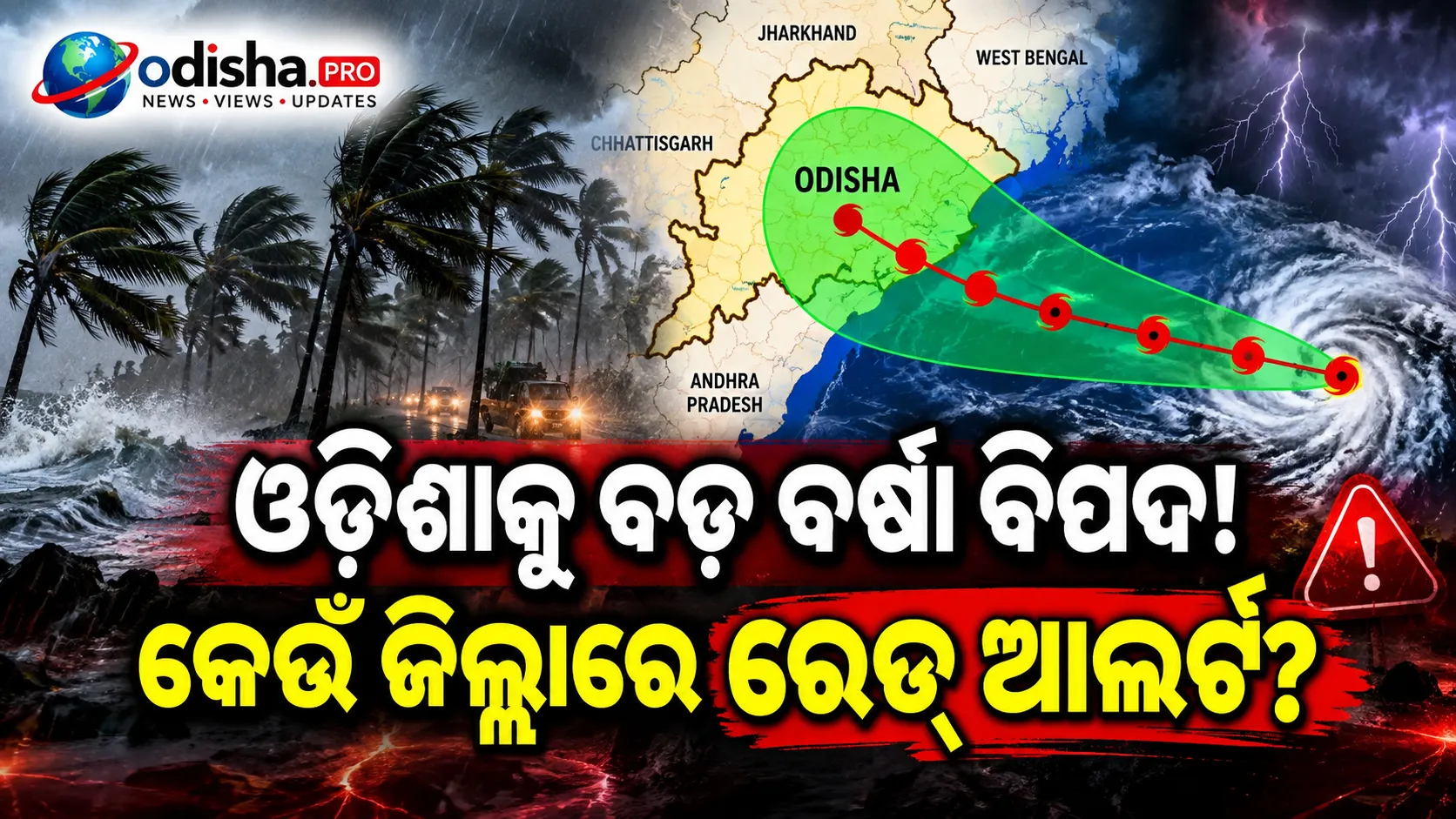
ଓଡ଼ିଶାରେ ଆଗାମୀ କିଛି ଦିନରେ ବର୍ଷାର ପ୍ରକୋପ ଆହୁରି ବଢ଼ି...
HIV ପ୍ରତିରୋଧ କ୍ଷେତ୍ରରେ ଏକ ନୂଆ ଔଷଧ ନେଇ ଆଶା ସୃଷ୍ଟି ହ...

ନୂଆଦିଲ୍ଲୀ: ମଧ୍ୟପ୍ରଦେଶର ଅଜନାର ନଦୀ ସଫେଇ କରି ଚର୍ଚ୍ଚାକ...
ଆଜିକାଲି କାମ, ମୋବାଇଲ୍, ସୋସିଆଲ୍ ମିଡିଆ କିମ୍ବା ଦେରିରାତ...

ନୂଆଦିଲ୍ଲୀ: ସ୍ମାର୍ଟଫୋନ୍‌ରେ ବ୍ୟବହାର ହେଉଥିବା ସ୍କ...
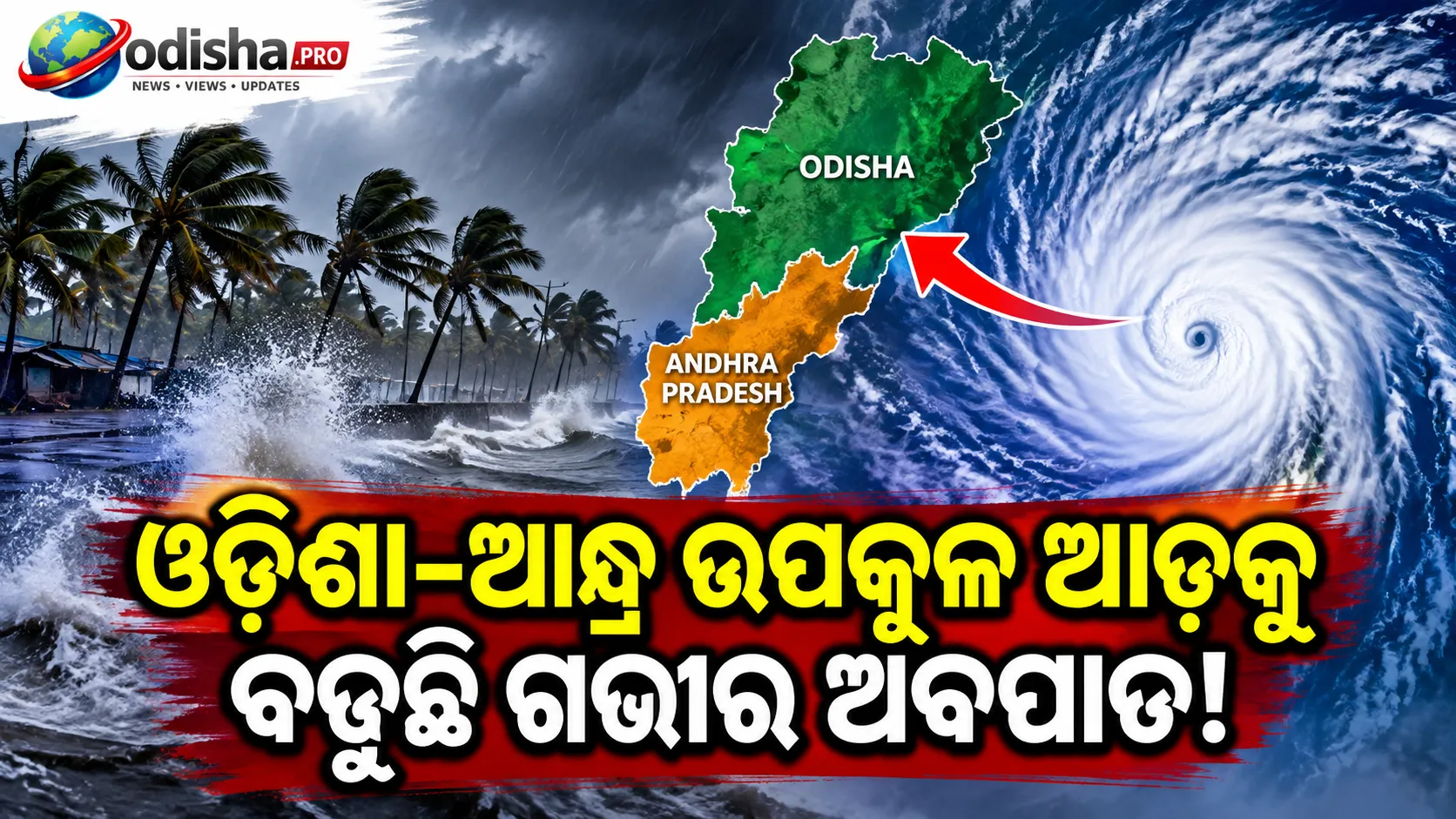
ଭୁବନେଶ୍ୱର: ବଙ୍ଗୋପସାଗରରେ ସୃଷ୍ଟି ହୋଇଥିବା ଅବପାତ ଏବେ ଓ...
ନୂଆଦିଲ୍ଲୀ: ଯୁବ ବୟସରେ ହାର୍ଟ ଆଟାକ୍‌ର ଘଟଣା ନେଇ ଚ...
ନୂଆଦିଲ୍ଲୀ:ଭାରତରେ ଏକ ଜଟିଳ ଲିଭର ଟ୍ରାନ୍ସପ୍ଲାଣ୍ଟ ପରେ ଜ...
ଭୁବନେଶ୍ୱର: ବଙ୍ଗୋପସାଗରରେ ଗଠିତ ଅବପାତ ଏବେ ଓଡ଼ିଶା ପାଇଁ...
ଭୁବନେଶ୍ୱର: ବଙ୍ଗୋପସାଗରରେ ସୃଷ୍ଟି ହୋଇଥିବା ଅବପାତ ଏବେ ଓ...