







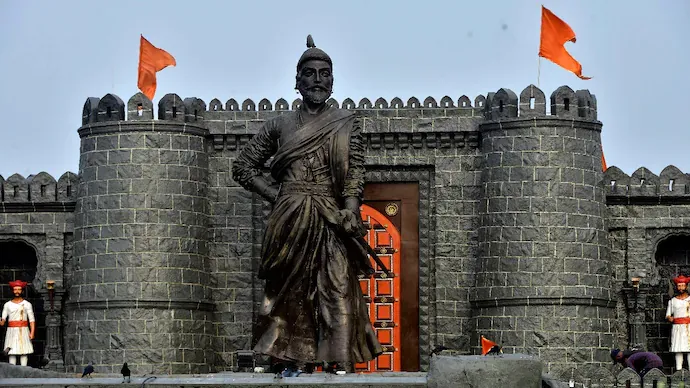
In April 1679, Mughal Emperor Aurangzeb reinstated the jizya, a tax imposed on non-Muslim subjects. The decree marked a decisive ideological shift in Mughal governance, sharpening religious distinctions across the empire. News of the order eventually reached the court of Shivaji in the Deccan.
The response was unexpected. Instead of preparing an immediate military retaliation, Shivaji chose to write a letter.
In his correspondence, Shivaji questioned the wisdom of imposing taxation based on faith. His argument was not framed as rebellion but as counsel. A sovereign, he suggested, derived legitimacy from safeguarding all subjects equally. Differential taxation risked alienating loyal populations and weakening imperial stability.
The most authoritative account of this episode appears in Shivaji and His Times by historian Jadunath Sarkar. Drawing upon Persian records and archival material, Sarkar translated and analysed the letter, presenting it as a significant political intervention grounded in documented history rather than legend.
The imperial perspective on the reinstatement of jizya is recorded in Maasir-i-Alamgiri by Saqi Mustaid Khan. This Mughal chronicle situates the decree within Aurangzeb’s administrative framework, confirming the policy’s broader ideological intent.
Together, these sources anchor the exchange firmly in historical documentation.
Popular memory often celebrates Shivaji primarily as a warrior-king—renowned for fort conquests, strategic brilliance, and daring escapes. Yet this letter reveals another dimension of his leadership: a ruler deeply attentive to moral authority and political legitimacy.
Marathi chronicles such as Sabhasad Bakhar portray Shivaji as a protector of his people’s welfare. The 1679 correspondence aligns with this portrayal, highlighting his commitment to justice alongside expansion.
The letter did not succeed in reversing the imperial decree. The jizya remained in force. However, the act of writing itself was significant. It demonstrated that opposition could take the form of reasoned dissent, not merely armed resistance.
By choosing dialogue before confrontation, Shivaji displayed a sophisticated understanding of governance. Power rested not only in military strength but in legitimacy and consent. Empires endure, his argument implied, when they accommodate diversity rather than divide it.
Centuries later, Shivaji is often remembered for the clash of swords. Yet the 1679 letter stands as evidence that history is shaped not only on battlefields, but also through words—measured, principled, and politically sharp.
ଆମେରିକା ଓ ରୁଷିଆ ମଧ୍ୟରେ ଡିଜେଲ୍ ବାଣିଜ୍ୟକୁ ନେଇ ବଡ଼ ପର...
ଭୁବନେଶ୍ୱର: ବିବାହର କିଛି ଦିନ ପରେ ଶ୍ୱଶୁର ଘରେ ଚୋରି ଅଭି...
ଆମେରିକା ରାଷ୍ଟ୍ରପତି ଡୋନାଲ୍ଡ ଟ୍ରମ୍ପ ପୁଣିଥରେ ଭାରତ-ପାକ...
କେନ୍ଦୁଝର: କେନ୍ଦୁଝର ଜିଲ୍ଲା ଆନନ୍ଦପୁର ଅଞ୍ଚଳରେ ପୁଲିସ ଓ...
ହରିୟାଣାର ମୋଷ୍ଟ ୱାଣ୍ଟେଡ୍ ଗ୍ୟାଙ୍ଗଷ୍ଟର ହିମାଂଶୁ ଭାଉ ଆମ...

ଶୁକ୍ର ବକ୍ରୀକୁ ନେଇ କ’ଣ କୁହୁଛି ଜ୍ୟୋତିଷ? ଜ୍ୟ...
ନାବାଳିକା ନିଖୋଜ ପରେ ମିଳିଥିଲା ମୃତଦେହ ରିପୋର୍ଟ ଅନୁଯ...
ଇରାନକୁ ନେଇ ଆମେରିକାର ଆଭିମୁଖ୍ୟ ପୁଣିଥରେ କଡ଼ା ହୋଇଛି। ଆ...
