




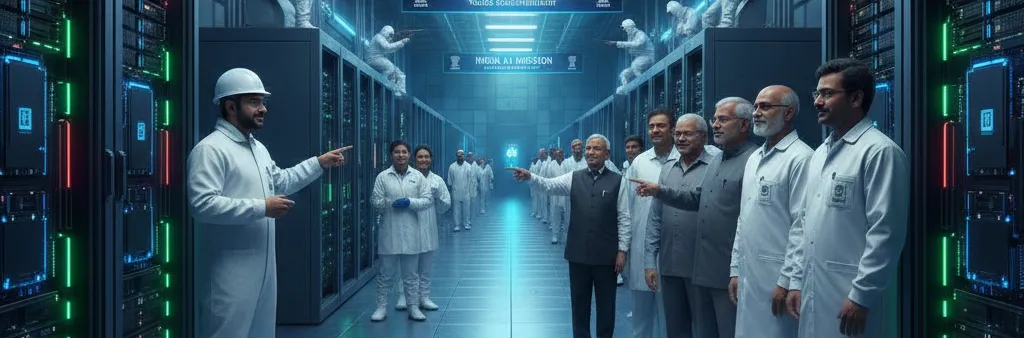
India has announced a major expansion of its artificial intelligence infrastructure, marking a decisive step toward strengthening its global AI leadership. Union Minister for Electronics and Information Technology Ashwini Vaishnaw revealed that the country will add 20,000 additional Graphics Processing Units (GPUs) to its existing base of over 38,000 GPUs in the coming weeks.
The announcement was made during the India AI Impact Summit 2026 held at Bharat Mandapam from February 16 to 20. With this addition, India’s total AI compute capacity will exceed 58,000 GPUs, significantly boosting the country’s AI ecosystem.
The expansion forms part of the ₹10,300+ crore IndiaAI Mission, a flagship initiative aimed at democratising access to advanced AI infrastructure. More than 38,000 high-end GPUs have already been made available at a subsidised rate of ₹65 per hour, enabling startups, researchers, students, and public institutions to leverage cutting-edge AI resources.
The addition of 20,000 GPUs is expected to further deepen compute capacity while ensuring inclusive and responsible AI deployment. The government’s approach focuses on expanding infrastructure while also building foundational AI resources such as datasets and sovereign model ecosystems.
Prime Minister Narendra Modi inaugurated the India AI Impact Expo on February 16, underscoring India’s emergence as a major voice in global AI governance, particularly representing the Global South.
The summit, themed “Sarvajan Hitaya, Sarvajan Sukhaya” (Welfare for All, Happiness for All), witnessed participation from over 20 Heads of State, 60 Ministers, and 500 global AI leaders, positioning it among the largest AI gatherings globally.
Addressing the summit, the Minister described artificial intelligence as the driver of the “fifth industrial revolution,” with transformative potential across agriculture, healthcare, education, manufacturing, governance, and climate action.
The government expressed confidence that over USD 200 billion in investments could flow into India’s AI sector in the next two years, with venture capital firms actively funding deep-tech startups and AI applications across multiple layers of the AI stack.
ଜି-୭ ସମ୍ମିଳନୀ ଅବସରରେ ଭାରତର ପ୍ରଧାନମନ୍ତ୍ରୀ ନରେନ୍ଦ୍ର...

ଓଡ଼ିଶାରେ ସୁନା ଦରରେ ଲଗାତାର ଦ୍ୱିତୀୟ ଦିନ ପାଇଁ ବଡ଼ ଧରଣ...

ଚଳିତ ଫୁଟବଲ ବିଶ୍ୱକପ୍ର ଗ୍ରୁପ୍-ଏଲ୍ର ଏକ ରୋମାଞ୍ଚକର ମୁକା...

ଭାରତୀୟ କ୍ରିକେଟ୍ ଇତିହାସର ଅନ୍ୟତମ ସଫଳ ଅଧିନାୟକ ମହେନ୍ଦ୍...

ଗ୍ରାମାଞ୍ଚଳରେ ରୋଜଗାର ସୃଷ୍ଟି ଓ ଦୀର୍ଘମିଆଦି ସମ୍ପଦ ବିକା...

ଓଡ଼ିଶାର ଗଣପର୍ବ ରଜ ଆସିଲେ ଘରେ ଘରେ ଦୋଳି ଖେଳର ଉତ୍ସାହ ଦ...
ଆମେରିକାର ଗୁପ୍ତଚର ସଂସ୍ଥାମାନଙ୍କ ଏକ ନୂତନ ମୂଲ୍ୟାଙ୍କନ ର...

ଭାରତୀୟ କ୍ରୀଡ଼ା ଜଗତ ପାଇଁ ଏକ ଅତ୍ୟନ୍ତ ଦୁଃଖଦ ଘଟଣା ସାମ୍...

କେନ୍ଦୁଝର ଜିଲ୍ଲାର ଟେଲକୋଇ ବ୍ଲକ୍ ପ୍ରତିବର୍ଷ ହଜାର ହଜାର...

ଇଣ୍ଡିଆନ୍ ପ୍ରିମିୟର ଲିଗ୍ (ଆଇପିଏଲ୍)ର ସମୟସୂଚୀରେ ଆସନ୍ତା...
ଇଣ୍ଡୋନେସିଆରେ ପୁଣିଥରେ ଏକ ଶକ୍ତିଶାଳୀ ଭୂମିକମ୍ପ ଅନୁଭୂତ...
ଦୀର୍ଘଦିନ ଧରି ଚାଲିଥିବା ତିକ୍ତ ସମ୍ପର୍କ ଓ ଉତ୍ତେଜନା ମଧ୍...