


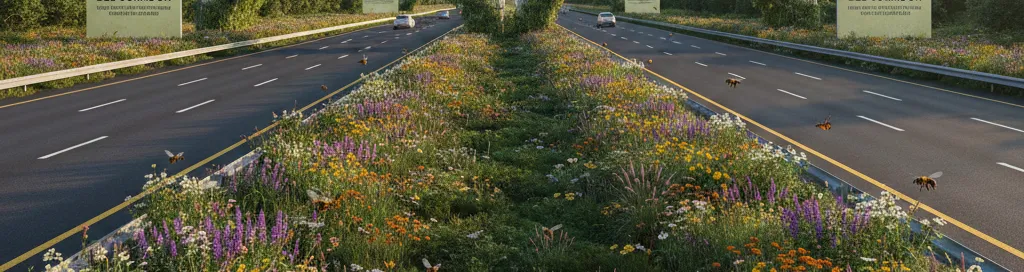
In a landmark move toward environmentally sustainable infrastructure, the National Highways Authority of India (NHAI) has announced plans to develop the country’s first dedicated ‘Bee Corridors’ along National Highways.
The initiative aims to transform highway-side plantations from ornamental landscaping into ecologically meaningful green stretches that actively support pollinators such as honeybees and wild bees. The proposed Bee Corridors will consist of continuous linear stretches of bee-friendly vegetation, including flowering trees and plants that ensure year-round availability of nectar and pollen.
Under this initiative, NHAI will realign its plantation strategy to prioritise pollinator-friendly species. The corridors will feature a curated mix of trees, shrubs, herbs, and grasses. The design will incorporate nectar- and pollen-rich plant species, allow flowering weeds to bloom, and preserve natural habitats such as dead wood and hollow trunks that provide shelter to pollinators.
Plant species will be selected to ensure staggered flowering cycles across seasons, creating near-continuous blooming throughout the year. Native species such as Neem, Karanj, Mahua, Palash, Bottle Brush, Jamun, and Siris will be planted to promote biodiversity and ecological resilience.
The Bee Corridors will be developed along suitable stretches of National Highways and other vacant NHAI land parcels, based on agro-climatic conditions and feasibility. NHAI field offices across the country will identify highway sections where flowering trees can be planted at intervals of approximately 500 metres to 1 kilometre. This spacing aligns with the average foraging distance of bees, ensuring effective pollinator movement and habitat connectivity.
As part of the 2026–27 rollout plan, NHAI field offices will develop at least three dedicated pollinator corridors. During the same period, around 40 lakh trees are planned to be planted along National Highways, with nearly 60 percent of them under the Bee Corridor initiative.
The Bee Corridor initiative marks a significant evolution in India’s highway development approach by integrating biodiversity conservation into infrastructure expansion. With highways spanning diverse agro-climatic zones, the initiative offers a unique opportunity to create interconnected ecological pathways at scale, supporting pollinator populations while contributing to environmental sustainability and agricultural productivity.

ଆମେରିକାର ମାସାଚୁସେଟ୍ସରେ ନିଜ ୩ ଶିଶୁଙ୍କୁ ହତ୍ୟା କରିବା...

ନୂଆଦିଲ୍ଲୀ: କେନ୍ଦ୍ରୀୟ ମନ୍ତ୍ରିମଣ୍ଡଳର ସମ୍ଭାବ୍ୟ ସମ୍ପ୍ର...

ଆମେରିକା ଓ କାନାଡା ମଧ୍ୟରେ ବାଣିଜ୍ୟ ଚୁକ୍ତି ହେବା ନେଇ ଆଶ...

କାନାଡାର ଏଡମଣ୍ଟନ୍‌ସ୍ଥିତ ଏକ ଶିଖ୍ ଗୁରୁଦ୍ୱାରରେ ଭୋ...

ଭାରତରେ ଚିପ୍ସ, ମିଠା ପାନୀୟ ଓ ଅନ୍ୟାନ୍ୟ ପ୍ୟାକେଜ୍ଡ ଖାଦ୍...

ଆଲାର୍ମ ବାଜିବା ପୂର୍ବରୁ ସ୍ୱାଭାବିକ ଭାବେ ଉଠିବା ଅନେକଙ୍କ...

MMDR ବିଲ୍‌-୨୦୨୬କୁ ନେଇ ଓଡ଼ିଶାରେ ରାଜନୈତିକ ତାତି...

ଭୁବନେଶ୍ୱର:ବିଜୁ ଜନତା ଦଳ (ବିଜେଡି) ନିଜ ସଂଗଠନକୁ ଆହୁରି...

ନୂଆଦିଲ୍ଲୀ:ଜନଗଣନା ୨୦୨୭ ପାଇଁ କେନ୍ଦ୍ର ସରକାର ପ୍ରଶ୍ନପତ୍...

ଜିମ୍‌ରୁ ବାହାରିବା ପରେ ଚାରିଜଣ ସନ୍ଦିଗ୍ଧ ଆକ୍ରମଣକା...

ସ୍ୱିଡେନ୍‌ର ମଧ୍ୟଭାଗରେ ଥିବା ଫାଗେର୍ଷ୍ଟା ସହରର ଏକ...

‘୧୦୦%’ ଦାବିକୁ ନେଇ ITC Limited ଏବଂ ଭାରତ...
