






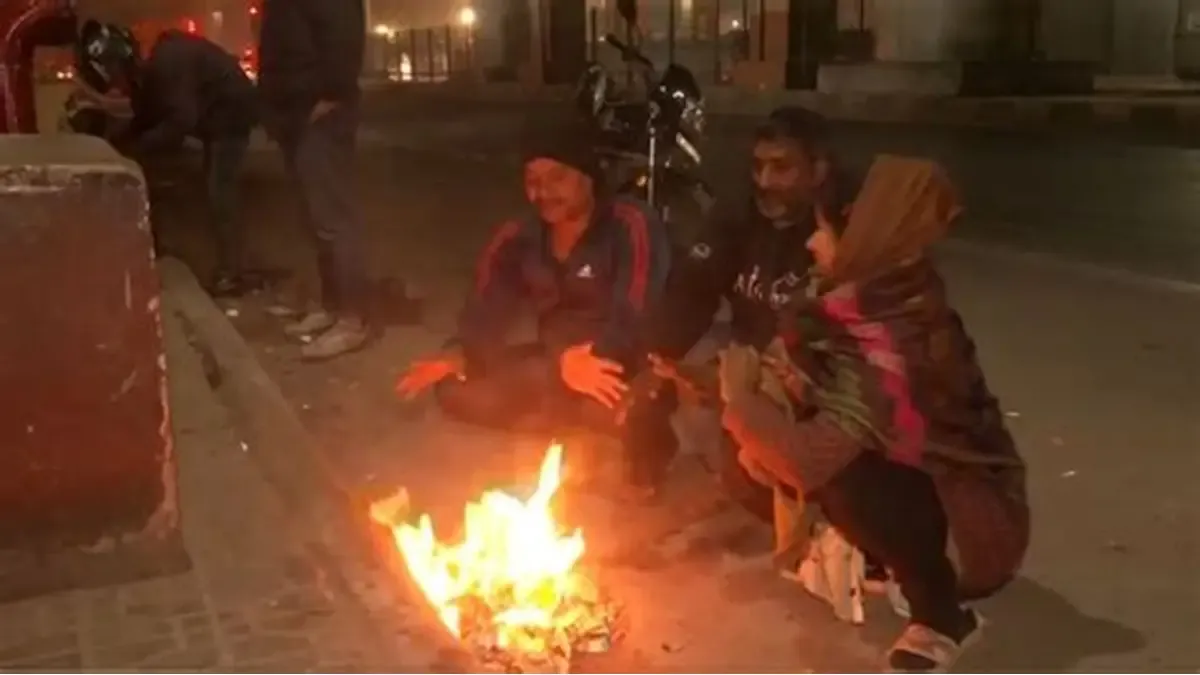
Gurugram Records One of Its Coldest Days in Decades, Plunging Below 1°C
Parts ofGurugramshivered through one of the coldest days in decades, as temperatures in some areas fell below1°C, making the city colder than many popular hill stations. Such record lows have not been observed in Gurugram in nearly50 years, catching residents off guard and highlighting the intensity ofwinter cold waves gripping northwest Indiathis season.
According to theIndia Meteorological Department (IMD), the unusual chill is part of an intense cold spell affecting theNational Capital Region (NCR)and surrounding plains, prompting anorange alertfor cold and foggy conditions. While Delhi recorded minimum temperatures around3°C, Shimla experienced a milder4°C, underscoring how unusually low the plains’ temperatures have become this week.
Meteorologists attribute this rare cold snap to a combination of factors:
Arecent Western Disturbanceover the Himalayas
Strongnorthwesterly windspushing frigid air into the plains
Earlier in January, these systems broughtsnowfall to higher altitudes, which then drew cold air southwards, leaving clear skies over the plains. Clear skies at night allowed heat to radiate away from the surface, causing temperatures to drop sharply after sunset.
In contrast, somehill stationsremained warmer despite higher altitudes becausecloud cover trapped heat, preventing temperatures from falling as low as in the plains. This inversion of typical winter patterns explains why Gurugram recordedcolder minimums than many Himalayan townsthis week.
The IMD forecasts that these conditions maypersist for a few more days, with cold winds and dense fog likely to reduce visibility and make early morning travel challenging unless weather patterns shift.
The extreme cold is already visible on the ground:
Frostformed on cars, crops, and grasslands
Residents bundled up in multiple layers to cope with unusually low temperatures
Dense fog and icy roads slowed travel and increased accident risks
Health advisories are in place, urgingelderly citizens and childrento avoid prolonged exposure, as frostbite, flu, and respiratory conditions become more likely during extended cold spells. Such conditions also place additional strain onemergency services and healthcare systemsin urban areas.
Gurugram’s record cold—colder than many traditional hill stations—demonstrates howwinter extremes can unfold unexpectedlyacross the northern plains. A combination ofclear night skies, strong winds, and broader climatic patternshas created conditions that can catch residents off guard, even in cities not usually associated with severe winter chills.
ଭାରତରେ ଚାଉଳ ଉତ୍ପାଦନକୁ ନେଇ ଆସିଛି ଚିନ୍ତାଜନକ ଖବର।ଦୁର୍...
ଷ୍ଟକ୍ ମାର୍କେଟ୍ରେ ନିବେଶ କରୁଥିବା ଲୋକେ ନିଜ ପୋର୍ଟଫୋଲିଓ...
N Chandrasekaranଙ୍କ କାହାଣୀ ଗ୍ରାମୀଣ ସରକାରୀ ସ୍କୁଲରୁ...
ଗୁରୁବାର ଭାରତୀୟ ଶେୟର ବଜାରରେ ମିଶ୍ରିତ କାରବାର ଦେଖିବାକୁ...