





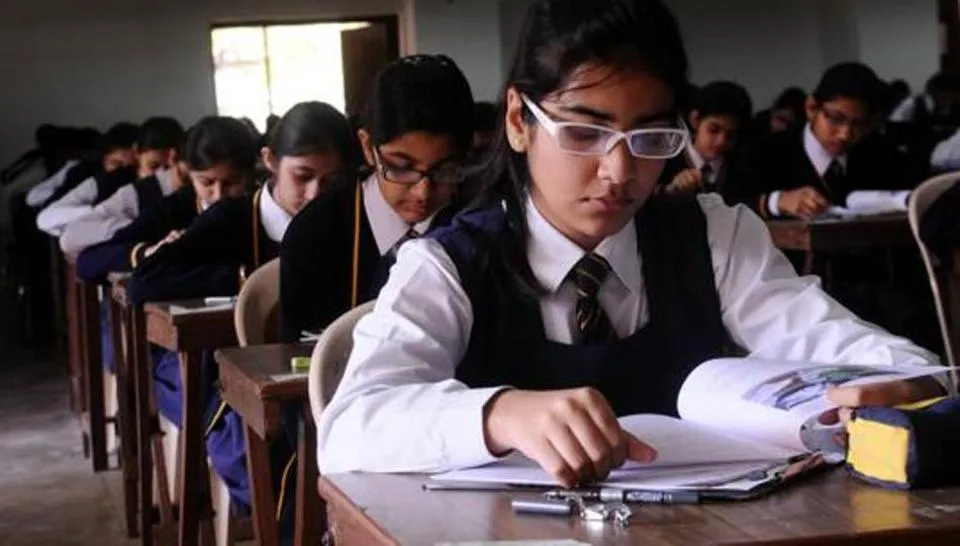
The Central Board of Secondary Education (CBSE) Class 10 Mathematics Basic board exam 2026 has received mixed yet largely positive feedback from teachers and students across the country. While many educators described the paper as easy to moderate and closely aligned with NCERT textbooks, several highlighted its length and calculation-heavy nature as key challenges.
Varun Goel, Head of Department, Mathematics at Shiv Nadar School, Gurugram, observed that nearly 60% of the questions were directly based on NCERT exercises and core concepts. Students who had practised thoroughly from the textbook found the paper familiar and manageable.
Karan Pal, TGT Mathematics, Seth Anandram Jaipuria School, Lucknow, stated that the exam focused on testing foundational understanding rather than complex derivations. The emphasis was on direct application of formulas and basic conceptual clarity.
Similarly, Tanmoy Das from Modern English School, Guwahati, described the paper as moderately difficult, balancing foundational knowledge with critical thinking. However, he noted that the multiple-choice questions (MCQs) were lengthy and required detailed calculations.
Lakshi, TGT Maths, St Angel’s School, Rohini, shared that while nearly half the questions were straightforward, the remaining required careful interpretation and application. Some MCQs were particularly calculation-intensive.
Shashi Kant Prasad, PGT Mathematics, Vidyagyan School, Bulandshahr, pointed out that this year’s Basic paper included more competency-based questions than expected. Though generally easier than the Standard level, some questions required clear conceptual understanding and precise reading, leading to confusion among students.
A student from Vidyagyan School remarked that while the paper was easy, it felt confusing at times — especially due to lengthy calculations.
Certain sections stood out for their length and complexity. Questions from Quadratic Equations, Areas Related to Circles, and the Arithmetic Progressions case-study required detailed working. A graph-based question was also reported to be challenging.
Principal Dr. Alka Kapur from Modern Public School, Shalimar Bagh, noted that many students found the paper tougher than expected. The extensive calculations created pressure, especially for those who opted for Mathematics Basic to avoid higher complexity. She observed that, in comparison, the Mathematics Standard paper felt relatively easier due to differences in structure and length.
Overall, the paper remained within the prescribed syllabus and prioritised understanding and application over rote memorisation. While conceptually manageable, time management played a crucial role due to the length of the paper.
Students with strong NCERT practice, clarity in fundamentals, and steady calculation speed were better positioned to complete the paper comfortably.
ହରିୟାଣାର ମୋଷ୍ଟ ୱାଣ୍ଟେଡ୍ ଗ୍ୟାଙ୍ଗଷ୍ଟର ହିମାଂଶୁ ଭାଉ ଆମ...
କେନ୍ଦୁଝର: କେନ୍ଦୁଝର ଜିଲ୍ଲା ଆନନ୍ଦପୁର ଅଞ୍ଚଳରେ ପୁଲିସ ଓ...

ଦକ୍ଷିଣ ପ୍ରଶାନ୍ତ ମହାସାଗରରେ ଭାନୁଆଟୁ ଦ୍ୱୀପପୁଞ୍ଜ ନିକଟର...

ଆମେରିକା ରାଷ୍ଟ୍ରପତି ଡୋନାଲ୍ଡ ଟ୍ରମ୍ପ ପୁଣିଥରେ ଭାରତ-ପାକ...
ନାବାଳିକା ନିଖୋଜ ପରେ ମିଳିଥିଲା ମୃତଦେହ ରିପୋର୍ଟ ଅନୁଯ...
ଭୁବନେଶ୍ୱର: ବିବାହର କିଛି ଦିନ ପରେ ଶ୍ୱଶୁର ଘରେ ଚୋରି ଅଭି...

ଆମେରିକା ଓ ରୁଷିଆ ମଧ୍ୟରେ ଡିଜେଲ୍ ବାଣିଜ୍ୟକୁ ନେଇ ବଡ଼ ପର...

ଇରାନକୁ ନେଇ ଆମେରିକାର ଆଭିମୁଖ୍ୟ ପୁଣିଥରେ କଡ଼ା ହୋଇଛି। ଆ...