


As India prepares for the presentation of the Union Budget on February 1, education has emerged as a central pillar of the government’s development agenda. Finance Minister Nirmala Sitharaman is set to present the Budget for a record ninth consecutive time, reinforcing continuity in fiscal policy at a moment when expectations are high, particularly around education and health.
According to the Economic Survey 2025–26, health and education form the backbone of India’s human capital strategy and are critical to achieving the goal of becoming a developed nation by 2047. The education sector has made steady progress, with rising literacy rates, improved enrolment, expanded vocational pathways, and structural reforms introduced under the National Education Policy (NEP) 2020.
Gross Enrolment Ratio data shows near-universal participation at the primary and upper-primary levels, but enrolment declines significantly in secondary and higher secondary education, highlighting the need for better retention, smoother transitions, and stronger learning outcomes. Budget 2026 is therefore being viewed as a crucial inflexion point to translate NEP 2020 from policy vision into effective implementation on the ground.
Education leaders have emphasised the need for sustained investment in teacher recruitment, training, and empowerment, particularly as India continues to face large teacher shortages while educating over 250 million students. Stakeholders are also calling for deeper integration of digital learning, skilling, AI-enabled tools, and modern infrastructure, alongside a stronger focus on holistic education, social-emotional learning, and mental health.
As India charts its next phase of growth, the Union Budget 2026 has the potential to reshape the country’s learning ecosystem. If backed by adequate funding and strong execution, it could strengthen education as a foundation for long-term economic resilience, innovation, and global competitiveness.

ଶୁକ୍ର ବକ୍ରୀକୁ ନେଇ କ’ଣ କୁହୁଛି ଜ୍ୟୋତିଷ? ଜ୍ୟ...
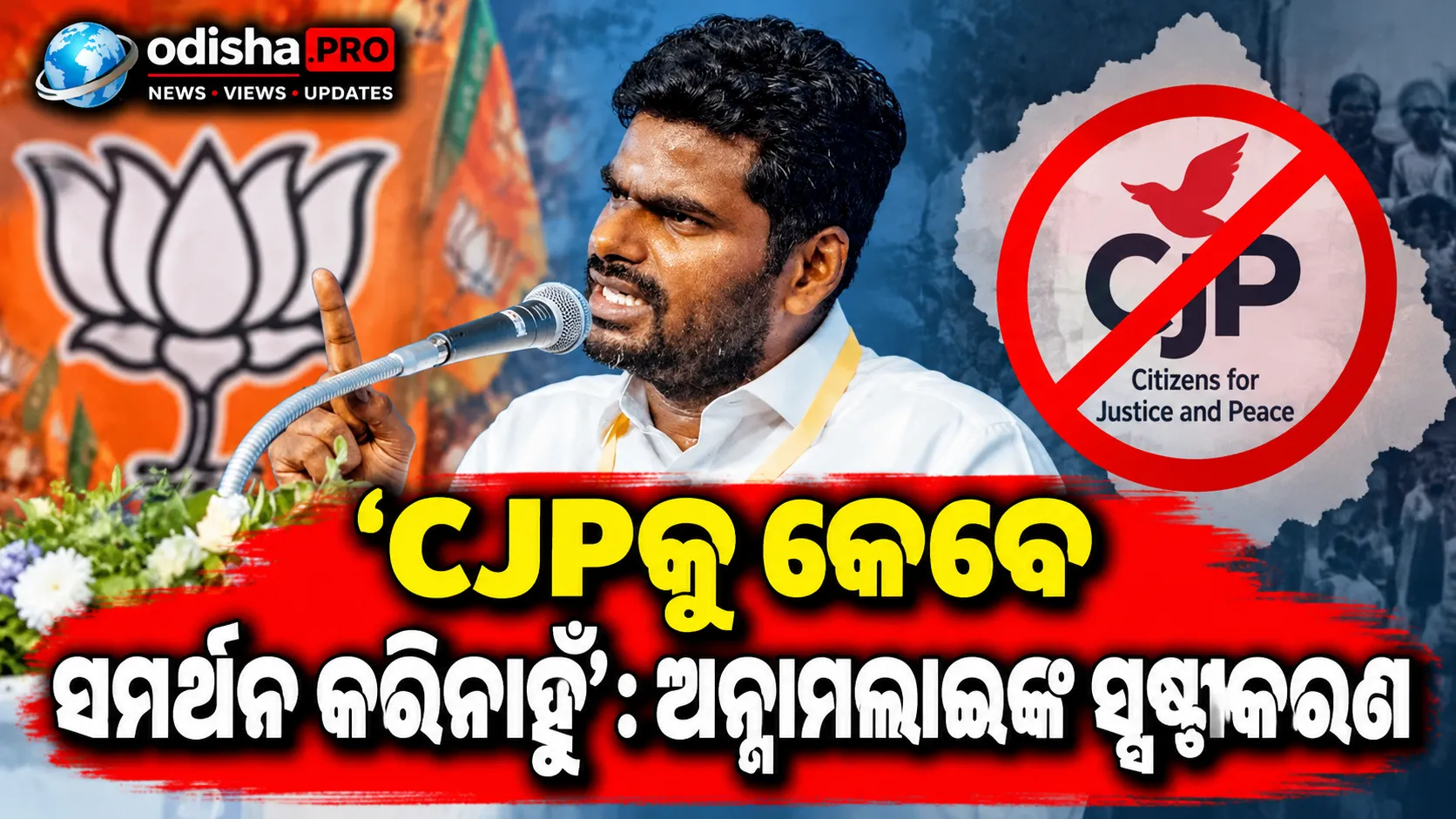
CJPକୁ କେବେ ସମର୍ଥନ କରିନାହୁଁ’ ଅନ୍ନାମଲାଇ କହି...

ନାଗପୁରର VCA ଷ୍ଟାଡିୟମ୍‌ରେ ମହିଳା U-19 T20 ଟ୍ରଫି...

ନାଗୋୟା, ଜାପାନରେ ଚାଲିଥିବା ଏସିଆନ୍ ପାରା ଗେମ୍ସ ୨୦୨୬ରେ...
ଗଣତନ୍ତ୍ରକୁ ବଦନାମ କରିବାର ଚେଷ୍ଟା’ ରାଞ୍ଚିରେ...
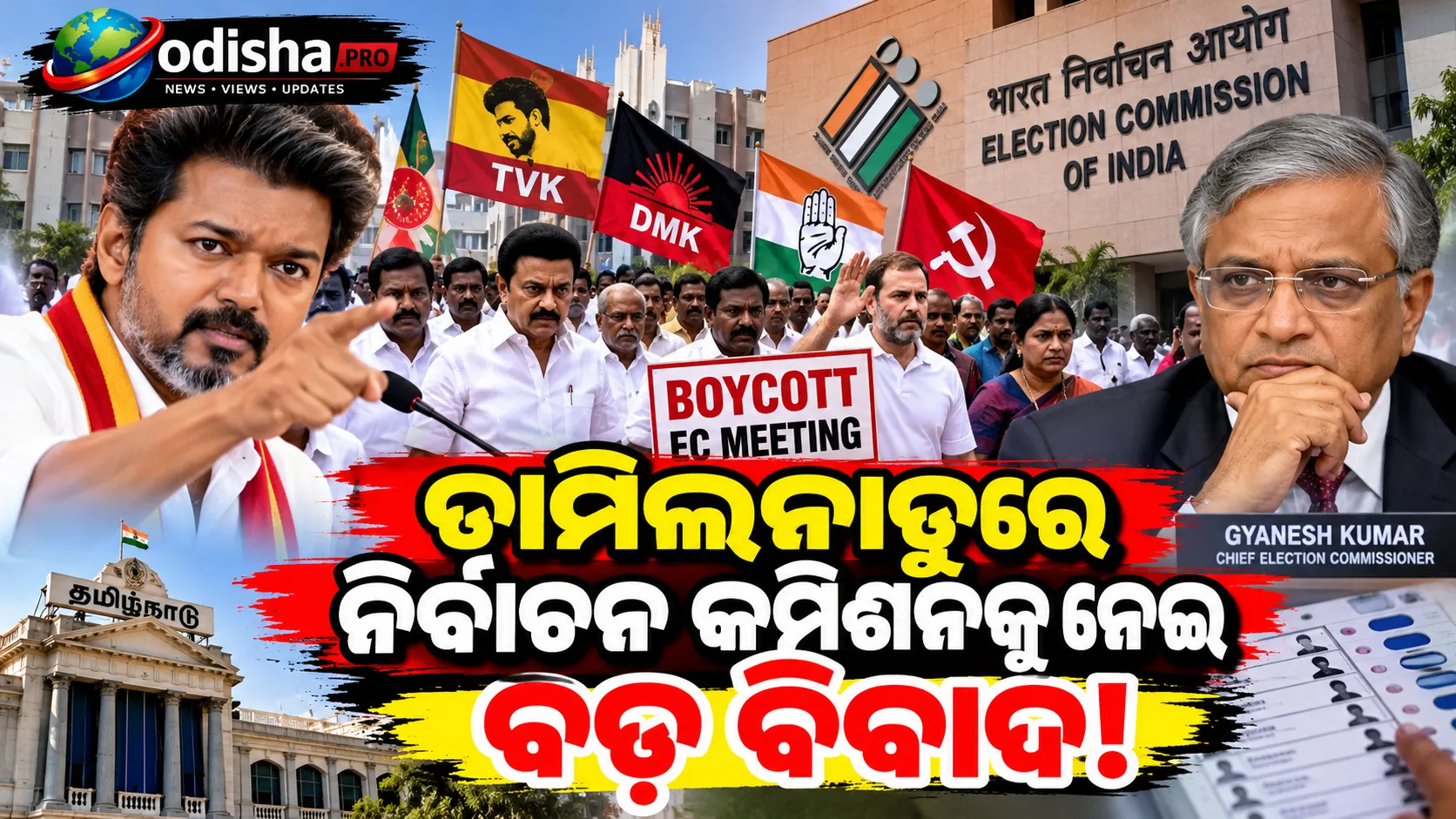
ଚେନ୍ନାଇରେ ଶୁକ୍ରବାର ଭୋଟର ତାଲିକାର **Special Summary...
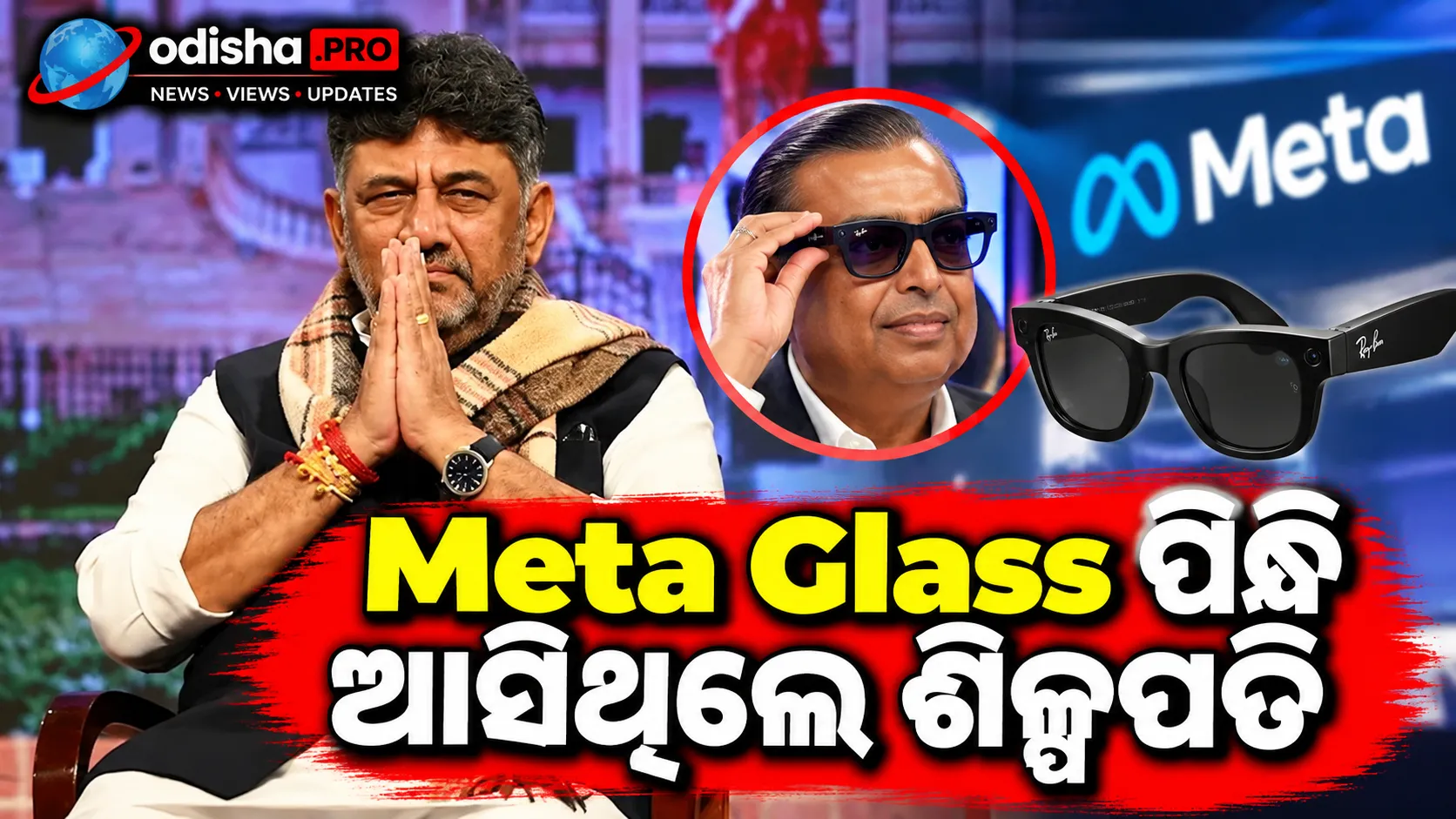
Meta Glass ପାଇଁ ମୋର ସନ୍ଦେହ ହେଲା’ ଶିବକୁମାର...
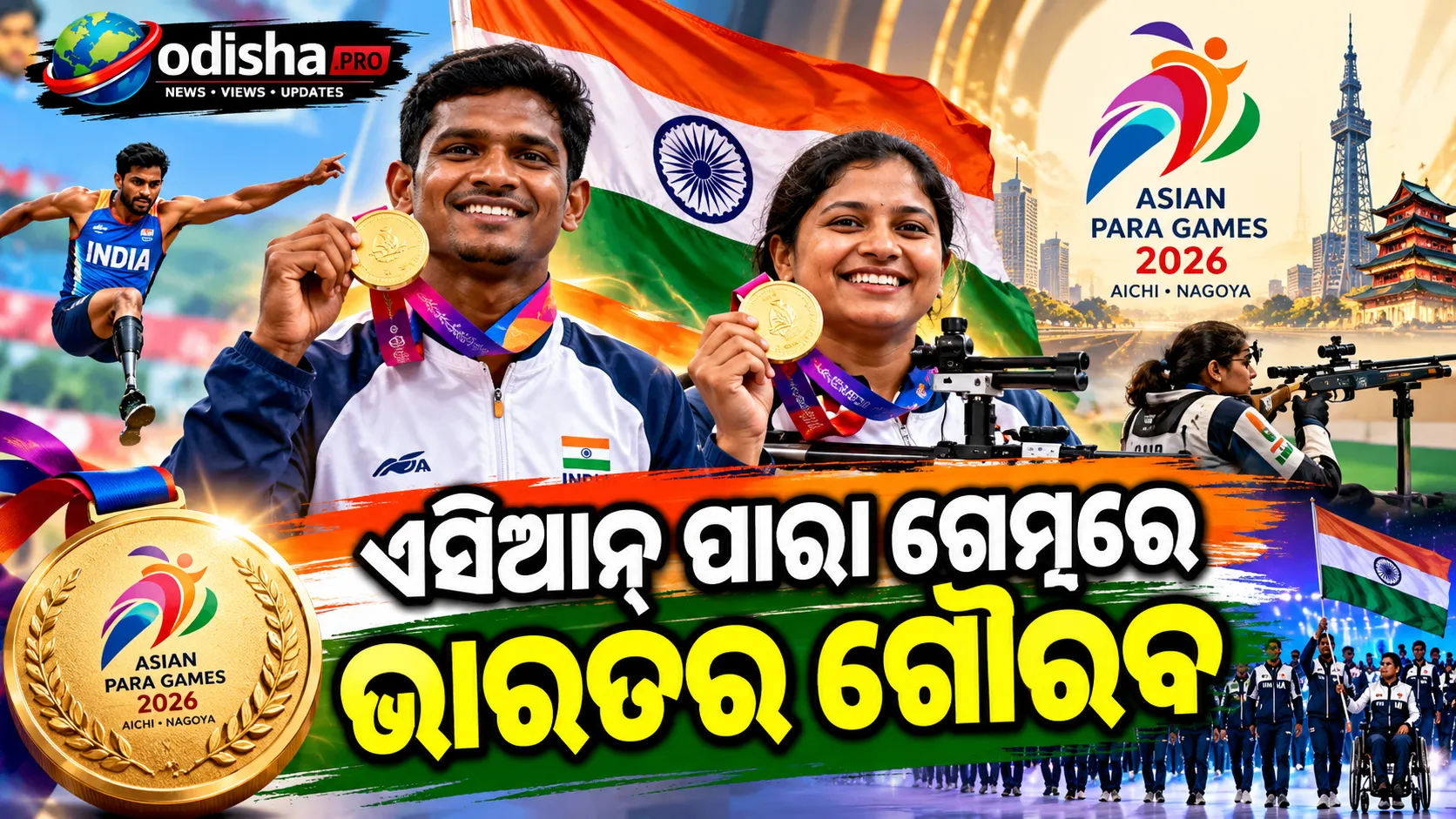
ଏସିଆନ୍ ପାରା ଗେମ୍ସ ୨୦୨୬ରେ ଭାରତ ପାଇଁ ଉଲ୍ଲେଖନୀୟ ପ୍ରଦର...