





After offering meaningful relief to taxpayers in Budget 2025, expectations from the upcoming Union Budget 2026 appear more restrained.
Tax experts believe the government now has limited headroom to announce further direct tax benefits and is likely to focus instead on consolidation, fine-tuning existing measures, and improving tax administration rather than rolling out fresh giveaways.
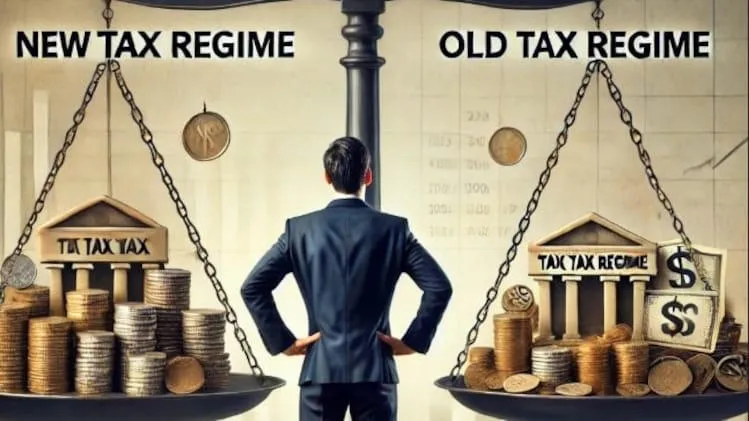
Over the past few years, the government has steadily positioned the new tax regime as the default option, while keeping the old regime alive for taxpayers with legacy commitments and deductions. Despite the clear policy preference for the new regime, experts say a complete withdrawal of the old system is unlikely in the immediate future.
Rohit Jain pointed to official data showing that a sizeable section of taxpayers still prefers the old structure. For AY 2024–25, around 2.01 crore out of 7.28 crore income tax returns—nearly 28%—were filed under the old regime.
“The old regime continues to be attractive for taxpayers who can claim substantial exemptions and deductions such as HRA, home-loan interest on a self-occupied house, and benefits under Sections 80C, 80D, 80E and 80G. With 28% still opting for it, an immediate phase-out appears unlikely,” Jain said.
On prospects for direct tax relief in Budget 2026, experts remain cautious. SR Patnaik, Partner and Head of Taxation at Cyril Amarchand Mangaldas, said the government had already extended significant benefits in the previous budget.
“The last budget granted meaningful relief to taxpayers, and therefore it is unlikely that there will be any major changes from a tax slab perspective,” Patnaik said.
However, he noted that targeted incentives could still be considered. “The government may explore selective measures to encourage home ownership and facilitate greater participation in capital markets,” he said, signalling a preference for focused incentives rather than broad-based relief in view of fiscal constraints.
New tax regime likely to be fine-tuned
On the coexistence of the old and new regimes, Patnaik said the dual system was never intended to be permanent. “The two regimes were introduced as a transitional arrangement to protect taxpayers with existing obligations. Over time, the old tax regime is expected to be phased out,” he said.
That said, expectations from Budget 2026 remain modest. “Taxpayers should not expect major announcements. The budget is likely to focus on simplifying and refining changes introduced in earlier years, with only minor adjustments, if any,” he added.
This reinforces the view that any changes to the new tax regime are likely to be incremental rather than transformational.
Administration over legislation
Dinesh Kanabar said Budget 2026 arrives at a unique juncture, with the new Income Tax Act, 2025 scheduled to come into force from April 1, 2026.
“In this context, one would ordinarily expect no substantive proposals on direct taxes. Any attempt to tweak the law at this stage would run counter to the objective of introducing a clean-slate legislation after extensive consultation,” he said.
Kanabar argued that India’s core tax challenge lies not in the law itself, but in its administration. “Despite progressive reforms, tax disputes continue to proliferate and concerns around administration remain,” he said.
He highlighted the need to simplify compliance, particularly in areas such as tax deduction at source (TDS). “There is a strong case for rationalising TDS rates into two or three broad categories. This could significantly reduce compliance complexity and disputes without materially impacting revenues,” Kanabar said.
He also pointed to the absence of meaningful tax incentives for research and development. “The budget presents an opportunity to reconsider targeted R&D incentives, especially for high-technology and sunrise sectors critical to India’s long-term competitiveness,” he said.
On litigation, Kanabar stressed the need for a comprehensive dispute resolution framework. “A well-designed mechanism can unclog the appellate system, provide certainty to taxpayers, and deliver immediate fiscal benefits,” he said.
Summing up expectations, Kanabar said Budget 2026 should prioritise making the system work better. “The focus should be on easier compliance, effective dispute resolution, and humane administration rather than rewriting tax laws.”
Taken together, expert views suggest Budget 2026 is unlikely to deliver headline-grabbing tax cuts or sweeping deductions under the new regime. Instead, taxpayers can expect modest tweaks, administrative improvements, and a continued push towards simplification, with the old tax regime remaining in place for now but gradually losing relevance.

ଯୁବ ପ୍ରଫେସନାଲ୍ମାନଙ୍କ ପାଇଁ ଚାକିରିରେ ଅଧିକ salary ପାଇ...

ନୂଆଦିଲ୍ଲୀ:ଭାରତୀୟ ବାୟୁସେନା (IAF) ନିଜର ପରିବହନ ବିମାନ...
ଓଡ଼ିଶା ଉଚ୍ଚଶିକ୍ଷା ବିଭାଗ ୨୦୨୬-୨୭ ଶିକ୍ଷାବର୍ଷ ପାଇଁ ପୋ...

ଆମେରିକାନ୍ ଏୟାରଲାଇନ୍ସର ଏକ ଉଡ଼ାଣ ବେଳେ ଜଣେ ଯାତ୍ରୀଙ୍କ...
ତାମିଲନାଡୁରେ ଜବାହର ନବୋଦୟ ବିଦ୍ୟାଳୟ ସ୍ଥାପନ ଓ ଭାଷା ନୀତ...

ବାୟୁ ପ୍ରଦୂଷଣ କେବଳ ଫୁସ୍ଫୁସ୍ ଓ ଶ୍ୱାସକ୍ରିୟା ଉପରେ ପ୍ରଭ...

ବାୟୁ ପ୍ରଦୂଷଣ କେବଳ ଫୁସଫୁସ ଓ ଶାରୀରିକ ସ୍ୱାସ୍ଥ୍ୟକୁ ନୁହ...

ଭୁବନେଶ୍ୱରସ୍ଥିତ ଲୋକସେବା ଭବନ ପରିସରକୁ ‘ତମାଖୁମୁକ...
ବାପୁର ତହସିଲ କାର୍ଯ୍ୟାଳୟରେ ଜାତି ପ୍ରମାଣପତ୍ର ପ୍ରଦାନରେ...
ଓଡ଼ିଶାରେ ସ୍ମାର୍ଟ ଶିକ୍ଷା ବ୍ୟବସ୍ଥାକୁ ନେଇ ଗୁରୁତ୍ୱ ଦିଆ...
