


Here is your structured content:
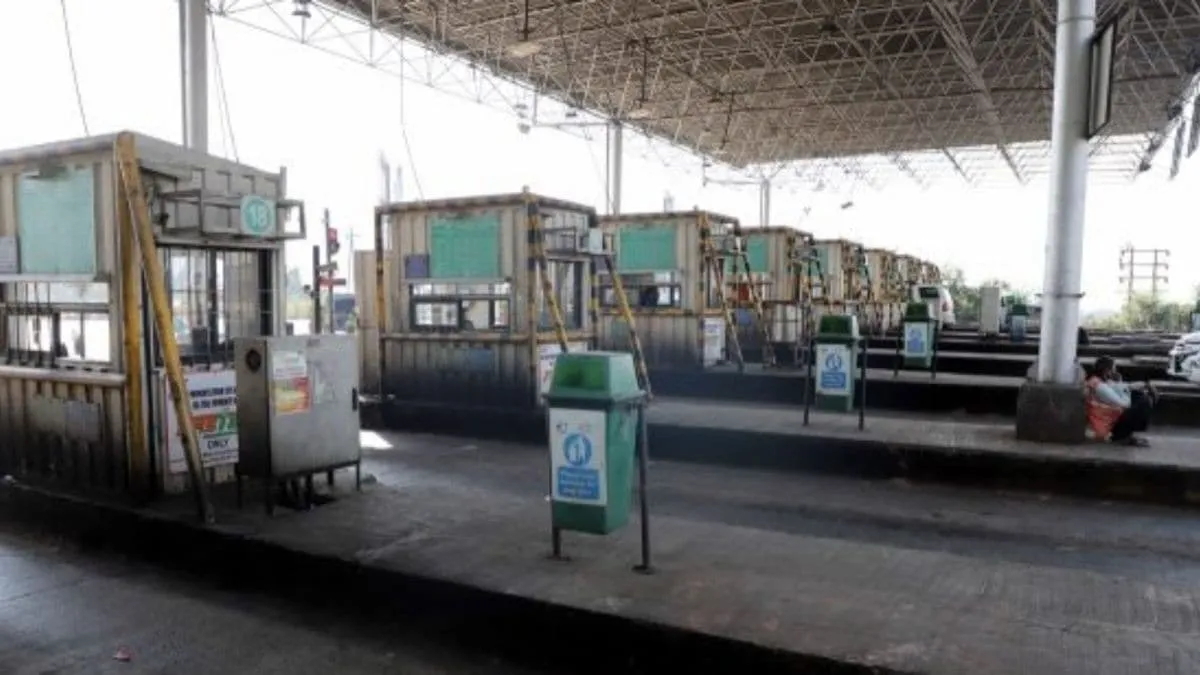
National Highway Toll Collection Set to Hit Record High in FY26
Toll collection on national highways reached Rs 50,345 crore in the first three quarters of FY26, indicating a likely record-breaking year. Revenues have more than doubled over the past five years, driven by highway expansion, rising traffic, and digital tolling systems.
Toll collection on India’s national highways — often viewed as a key indicator of economic activity — is poised to reach a record high in FY26. During the first three quarters of the current financial year, the government collected Rs 50,345 crore in user fees, already accounting for nearly 82% of the total Rs 61,408 crore collected in FY25.
The steady pace suggests that toll revenues in FY26 are likely to surpass all previous annual records.
According to data presented in the Rajya Sabha by the Ministry of Road Transport and Highways (MoRTH), toll collections have shown consistent growth over the past five years. Collections stood at Rs 55,882 crore in FY24, Rs 48,032 crore in FY23, Rs 33,929 crore in FY22, and Rs 27,927 crore in FY21.
Between FY21 and December 2025, the total toll collection has reached approximately Rs 2.78 lakh crore — reflecting a growth of over 120% in five years.
Union Road Transport and Highways Minister Nitin Gadkari attributed the rise in toll revenues to multiple factors, including:
Expansion of tolled highway length
Increase in traffic volume
Vehicle category mix
Annual user fee revisions under the National Highways Fee Rules, 2008
Additionally, technological upgrades have significantly improved efficiency. According to the Impact Assessment of the National Electronic Toll Collection (NETC) Programme during 2024-25, the average time taken by a vehicle to cross a toll plaza has dropped from 12.23 minutes under the manual system to just 40 seconds with Electronic Toll Collection (ETC). This has reduced congestion and improved traffic flow across highways.
The government is also moving towards Multi-Lane Free Flow (MLFF) tolling using Automatic Number Plate Recognition (ANPR), AI-based analytics, and RFID-enabled FASTag systems. This barrier-less tolling system is expected to further enhance compliance, reduce delays, and increase revenue efficiency.
An analysis of the past five years shows that five states — Uttar Pradesh, Rajasthan, Gujarat, Maharashtra, and Tamil Nadu — account for nearly 48% of total toll collections.
Rajasthanemerged as the top toll-collecting state, with collections rising from Rs 3,330 crore in FY21 to Rs 6,289 crore in FY25. Its cumulative five-year collection stands at Rs 24,310 crore.
Uttar Pradeshfollowed closely, with revenues growing from Rs 3,087 crore to Rs 6,574 crore, totaling nearly Rs 23,900 crore during the period.
Maharashtramore than doubled its toll revenues from Rs 2,591 crore to Rs 6,103 crore.
Gujaratsaw collections rise from Rs 2,721 crore to Rs 5,450 crore.
Tamil Nadurecorded steady growth, increasing from Rs 2,333 crore to Rs 4,459 crore.
These states benefit from dense highway networks, strong industrial activity, and high vehicle movement, contributing significantly to toll revenues.
Rising toll collections are often interpreted as a proxy for economic momentum, reflecting increased freight movement, passenger travel, and infrastructure usage. The sustained growth in collections, supported by digital tolling and infrastructure expansion, signals robust highway utilisation and continued infrastructure-led growth.

ଜାପାନରେ ପ୍ରବଳ ତାତି ଓ ଗ୍ରୀଷ୍ମ ପ୍ରବାହ ଜନଜୀବନକୁ ବିପର୍...

ଓଡ଼ିଶାର ବାଲେଶ୍ୱର ଜିଲ୍ଲାର ସିଙ୍ଗଲା ଥାନା ଅଧୀନ ବେଣ୍ଟାପ...

ଭୁବନେଶ୍ୱରର ମହର୍ଷି କଲେଜ କ୍ୟାମ୍ପସରେ ଘଟିଥିବା ଗଣ୍ଡଗୋଳ...

ମଧ୍ୟପୂର୍ବରେ ପୁଣି ଥରେ ଉତ୍ତେଜନା ବଢ଼ିବା ସହ ଯୁଦ୍ଧର ଆଶଙ...

ଦାଦାବଟି ଓ ବ୍ଲାକମେଲ୍ ଅଭିଯୋଗକୁ ନେଇ ଚର୍ଚ୍ଚାରେ ଥିବା ଏକ...

ଫିଲିପାଇନ୍ସର ରାଜଧାନୀ ମାନିଲାରେ ଆୟୋଜିତ ଆସିଆନ୍ ବୈଦେଶିକ...

ସାଉଦି ଆରବର ଯୁବ ପ୍ରିନ୍ସ ଅବ୍ଦୁଲ୍ଲା ବିନ୍ ଫହଦ ବିନ୍ ଅବଦ...

ବଲାଙ୍ଗିର ଅବକାରୀ ବିଭାଗକୁ ଏକ ବଡ଼ ସଫଳତା ମିଳିଛି। ବିଭାଗ...

ରାଷ୍ଟ୍ରପତି ଦ୍ରୌପଦୀ ମୁର୍ମୁ ଆସନ୍ତା ଅଗଷ୍ଟ ୩ରୁ ୫ ତାରିଖ...

ଅଗଷ୍ଟ ମାସରୁ ଭୁବନେଶ୍ୱରର ବିଜୁ ପଟ୍ଟନାୟକ ଆନ୍ତର୍ଜାତୀୟ ବ...