







The train doors slide shut with a familiar beep. The platform empties. The Metro moves on.
Minutes—or sometimes hours—later, the realisation hits. A hand reaches into a bag and finds an empty space. Frantic searching follows. Somewhere between boarding and deboarding, something has been left behind. In a city that moves as fast as Delhi, this is far from rare. Commuters travel half-asleep at dawn, exhausted late at night, juggling work bags, phones, chargers, lunch boxes, earphones, and deadlines. Forgetting something in the Metro is not carelessness; it is a byproduct of modern urban life.
The panic is one thing. The real problem begins with what comes next.
Delhi Metro prides itself on efficiency and surveillance. Trains are monitored by CCTV cameras, stations are staffed, and control rooms operate round the clock. Yet, once an item is lost, the recovery process feels vague, distant, and often futile.
To be fair, Delhi Metro has highlighted its recovery record in the past. In January last year, it claimed to have returned 89 laptops, 193 mobile phones, nine mangalsutras, and nearly ₹40 lakh in cash. Headlines praised an efficient lost-and-found system. But these numbers sit uneasily alongside the everyday experiences of commuters, for whom the process remains unclear and often discouraging. Most people don’t know where to go, whom to approach, or whether calling a helpline is enough. The massive system offers little reassurance to the individual.
The gap between infrastructure and response becomes glaringly obvious only when you face it personally. I have walked this path three times.
The first incident involved a bag left behind during rush hour. Realising the loss within minutes, I contacted Metro staff at the station—only to be told to check the next day, since all recovered items are submitted at the final station. When I followed up, the response was brief and final: it wasn’t found.
The most recent incident involved my AirPods, still plugged into a charger in the women’s coach. I called the Delhi Metro helpline immediately, hoping that speed would help. Each time, the response followed the same script:
"We didn’t receive it."
No follow-up questions. No attempt to check the coach, the station, or the time. The certainty was striking. I pushed back.
"How can you say that without checking or asking your staff?"
"We know,"came the reply.
Frustration took over. Only after repeated insistence did the tone shift, and I was asked for details. For the first time, there was a flicker of hope. I shared the train number, coach, and exact travel time.
And yet, by evening, the response was unchanged:"We didn’t get it."
When I asked if they tried, the answer was:"Announcements were made, but someone may have taken it once the women’s coach became general at the final station."
Hoping for a formal process, I emailed the official lost-and-found address—no reply. Not even an automated acknowledgment. Silence felt final, as if the system had already moved on.
This is not just my experience. A colleague who commutes daily told me:
"Have you ever left something in the Metro?""Yes, my bag.""Did you find it?""No. I didn’t know who to report to."
Many passengers don’t know where to report a loss or what the process entails. Delhi Metro’s announcements never stop, echoing across trains and stations, yet a truly useful reminder—like checking belongings before deboarding—is absent.
In a network carrying over 80 lakh passengers daily, losses are inevitable. Forgetting something is not a failure. What is a failure is how little faith the system inspires once that happens.
Timely trains, clean coaches, and excellent connectivity deserve applause. But a public transport system is judged not only by punctuality and cleanliness, but by how it responds when commuters need help.
Until Delhi Metro makes its lost-and-found process clearer, more accessible, and accountable, the message to passengers remains unspoken but unmistakable: once the doors close, what’s lost in Delhi Metro is rarely found.

ଶ୍ରୀକ୍ଷେତ୍ର ପୁରୀର ବଡ଼ଦେଉଳରେ ଚାଲିଥିବା ଶ୍ରୀକୃଷ୍ଣ ଲୀଳ...

ବ୍ରହ୍ମପୁରର MKCG ମେଡିକାଲ କଲେଜ ଓ ହସ୍ପିଟାଲ୍‌ ପରି...
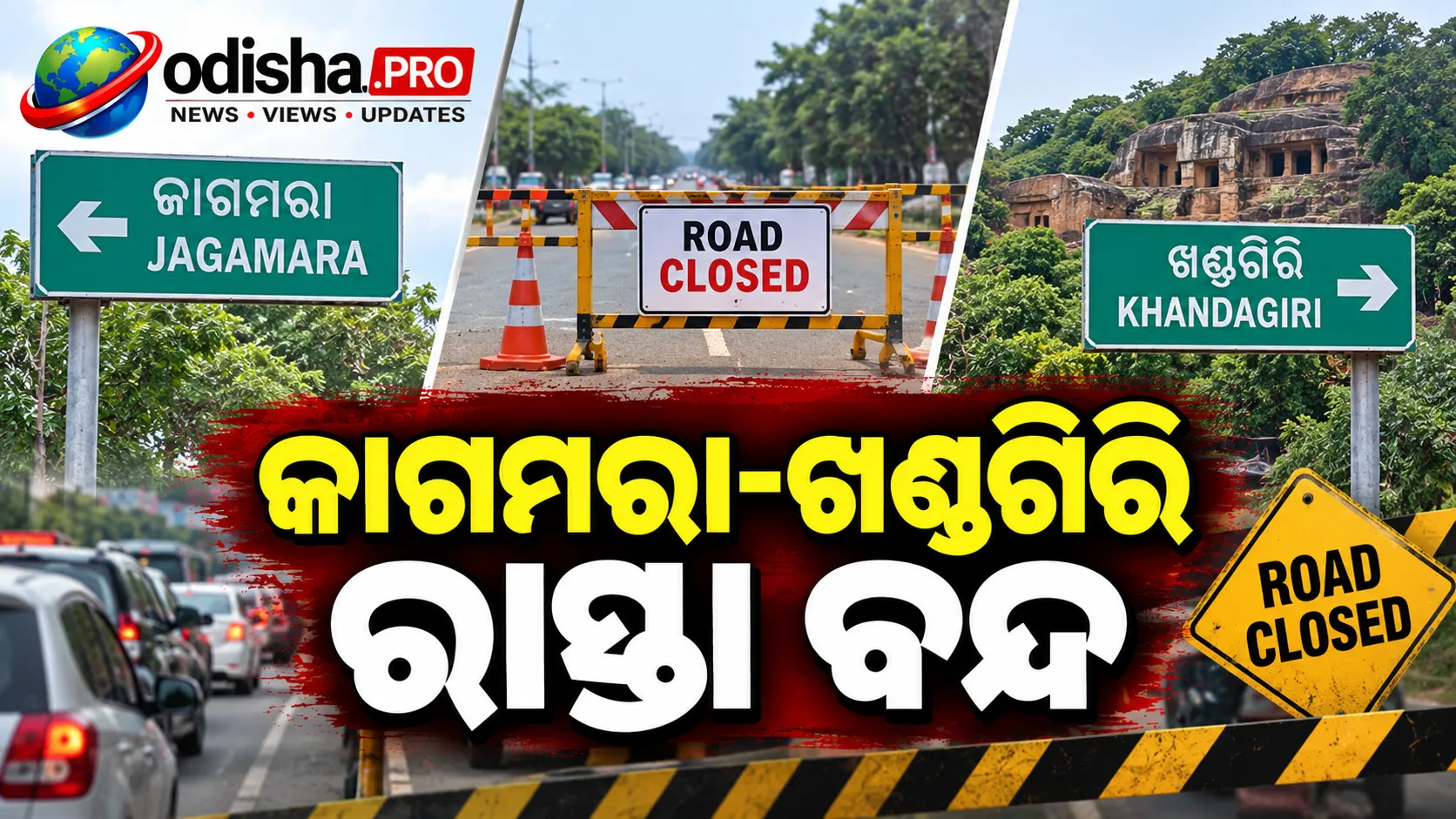
ଭୁବନେଶ୍ୱରର ଜାଗମରା, ଖଣ୍ଡଗିରି ଓ ଏହାର ଆଖପାଖ ଅଞ୍ଚଳରେ ର...
କେନ୍ଦ୍ର ବାଣିଜ୍ୟ ଓ ଶିଳ୍ପ ମନ୍ତ୍ରୀ ପୀୟୂଷ ଗୋୟଲ ଶୁକ୍ରବା...
Byju’sର ପ୍ୟାରେଣ୍ଟ କମ୍ପାନୀ **Think and Learn...
ଆମେରିକା-ଚୀନ୍ ବାଣିଜ୍ୟ ସମ୍ପର୍କ ମଧ୍ୟରେ ଆଉ ଏକ ବଡ଼ କୂଟନ...
ଭାରତର ନୂଆ GDP ତଥ୍ୟକୁ ନେଇ ଚାଲିଥିବା ବିତର୍କ ଧୀରେ ଧୀରେ...

କଟକ ସହରର ବଢ଼ୁଥିବା ଟ୍ରାଫିକ୍‌ ସମସ୍ୟାକୁ ନେଇ ଓଡ଼ି...