



North India has endured an exceptionally harsh winter, defined by a punishing mix of bone-dry air, dense fog, and hazardous smog. For weeks, cities like Delhi have remained trapped under a thick gray blanket, but a significant atmospheric shift is finally on the horizon.
The region has been locked in a prolonged moisture deficit, triggering severe cold waves across Punjab, Haryana, Delhi NCR, and Uttar Pradesh.
Extreme Cold:Temperatures recently plummeted to $1.3\text{°C}$ in Amritsar and $4.2\text{°C}$ in Delhi.
Cold Day Conditions:Persistent fog has kept daytime highs below $16\text{°C}$, creating "Cold Day" conditions where the sun rarely breaks through.
Environmental Impact:Without rain to "wash" the atmosphere, Delhi’s AQI has frequently crossed the400 mark, while farmers report increasing stress on winter crops due to the lack of moisture.
Relief is arriving via a powerfulWestern Disturbance—a moisture-laden system originating from the Mediterranean—set to impact the region startingJanuary 23, 2026.
Mountain Forecast:Widespread, heavy snowfall is predicted for Kashmir, Himachal Pradesh, and Uttarakhand.
Tourist Advisory:Major hubs like Manali and Shimla may see significant accumulation (up to $64\text{mm}$ of precipitation according to ECMWF models). Travelers should prepare for potential roadblocks and travel disruptions betweenJanuary 23 and 26.
As the system moves across the plains, it will trigger much-needed rain and thundershowers inChandigarh, Punjab, Haryana, and Delhi NCR.
Air Quality Reset:These showers are expected to disperse the lingering fog and "scrub" the air, likely leading to a significant drop in AQI levels.
Temperature Outlook:While no hail is expected, the rain will keep daytime temperatures cool (potentially staying below $16\text{°C}$), but it will effectively end the stagnant, biting dry cold that has dominated the season.
Summary:This marks the season’s first major active weather disturbance. While it may briefly disrupt travel, the trade-off is vital: healthier air, essential moisture for the ecosystem, and a picturesque winter finish for the mountains.
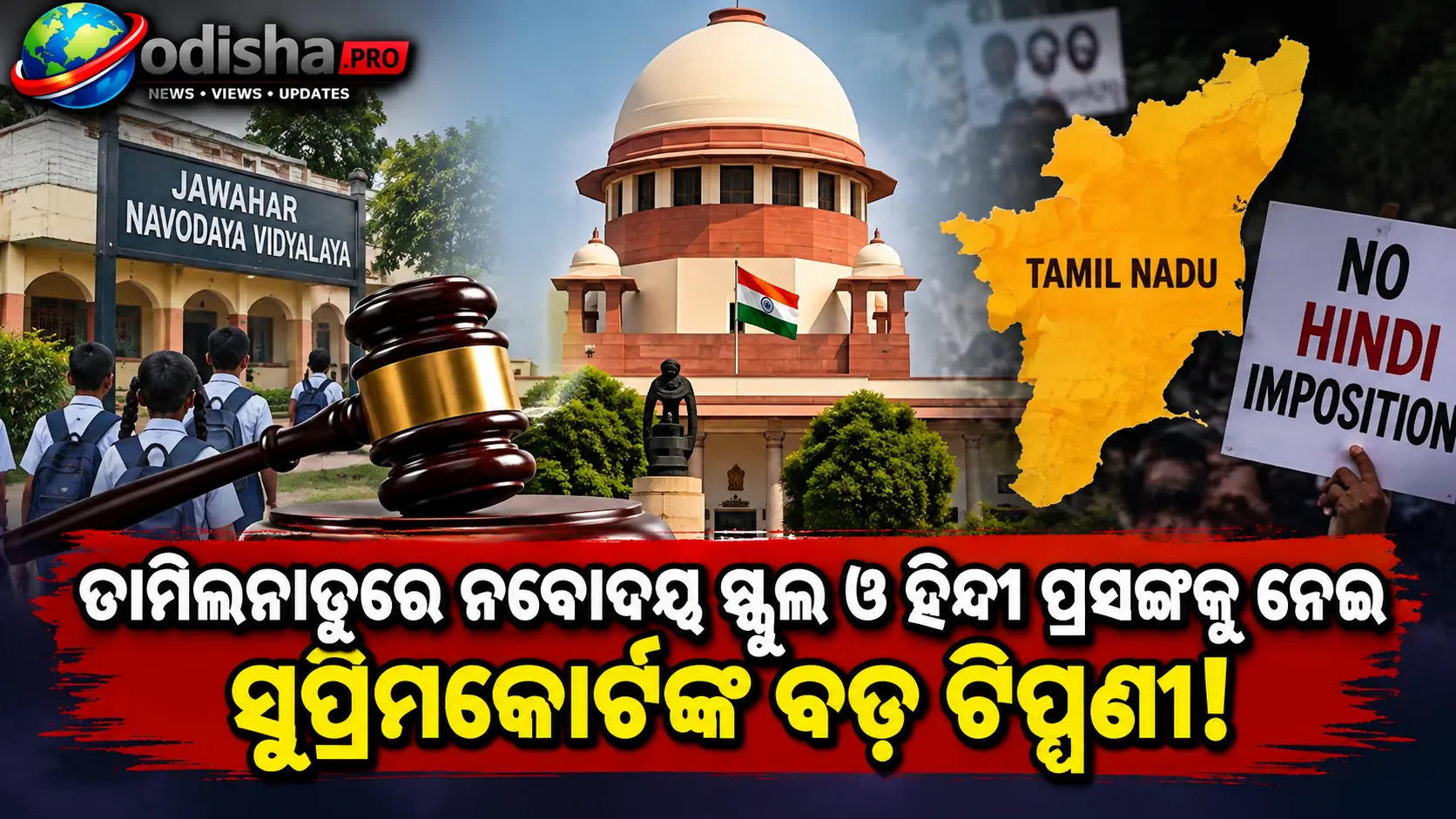
ତାମିଲନାଡୁରେ ଜବାହର ନବୋଦୟ ବିଦ୍ୟାଳୟ ସ୍ଥାପନ ଓ ଭାଷା ନୀତ...

ଭାରତୀୟ କ୍ରିକେଟ୍ ଦଳର ହ୍ୱାଇଟ୍-ବଲ୍ ସେଟ୍ଅପ୍କୁ ହାର୍ଦ୍ଦି...

ଭାରତ-ଆଫଗାନିସ୍ତାନ ‘ଫ୍ରେଣ୍ଡସିପ୍ କପ୍’ ସିର...

ଗୁରୁବାର ଭାରତୀୟ ଶେୟର ବଜାରରେ ମିଶ୍ରିତ କାରବାର ଦେଖିବାକୁ...

ଶୁକ୍ରବାର Tata Groupର ଅଧିକାଂଶ ଷ୍ଟକ୍‌ରେ ହଠାତ୍&z...

ଓଡ଼ିଶାରେ ସ୍ମାର୍ଟ ଶିକ୍ଷା ବ୍ୟବସ୍ଥାକୁ ନେଇ ଗୁରୁତ୍ୱ ଦିଆ...

ଆଫଗାନିସ୍ତାନ ବିପକ୍ଷ ତୃତୀୟ ଟି-୨୦ରେ ଅଭିଷେକ ଶର୍ମାଙ୍କ ଧ...
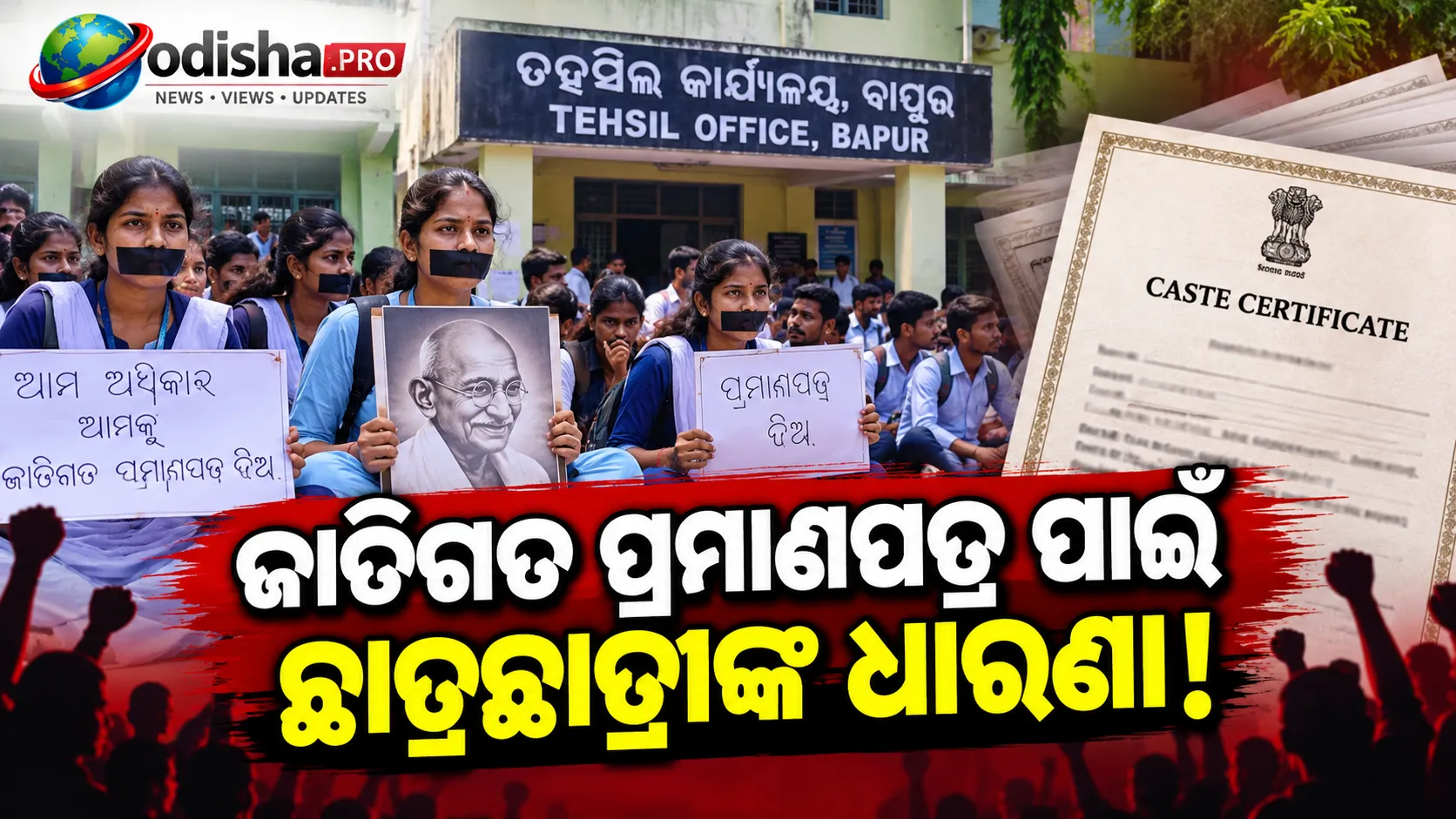
ବାପୁର ତହସିଲ କାର୍ଯ୍ୟାଳୟରେ ଜାତି ପ୍ରମାଣପତ୍ର ପ୍ରଦାନରେ...

UPI ବ୍ୟବହାର କରୁଥିବା ଗ୍ରାହକଙ୍କ ପାଇଁ ବଡ଼ ଖବର।ଅକ୍ଟୋବର...

ଭାରତୀୟ ଟି-୨୦ ଦଳରେ ସ୍ଥାନ ପାଇବା ପାଇଁ ବୈଭବ ସୂର୍ଯ୍ୟବଂଶ...

ଶୁକ୍ରବାର ଭାରତୀୟ ଶେୟର ବଜାରସାମାନ୍ୟ ବୃଦ୍ଧି ସହ ଖୋଲିଛି।...