







India is home to some of the world’s most extraordinary cultural and natural landmarks, and Maharashtra proudly stands at the forefront with the highest number of UNESCO World Heritage Sites among Indian states.
Currently, Maharashtra has six UNESCO-recognised sites that showcase centuries of artistic brilliance, architectural innovation, religious diversity, and ecological importance.
The Ajanta Caves (1983) are among the finest examples of ancient Buddhist rock-cut architecture, featuring breathtaking murals and frescoes dating from the 2nd century BCE to the 6th century CE. These paintings beautifully narrate the life of the Buddha and Jataka tales, making them masterpieces of Indian art.
The Ellora Caves (1983) stand out for their unique blend of Buddhist, Hindu, and Jain monuments carved between the 6th and 10th centuries. The magnificent Kailasa Temple, sculpted from a single rock, remains one of the largest monolithic structures in the world.
The Elephanta Caves (1987), located near Mumbai, are renowned for their grand sculptures dedicated primarily to Lord Shiva, including the iconic three-faced Maheshmurti.
Moving into the colonial era, the Chhatrapati Shivaji Maharaj Terminus (2004) in Mumbai is a striking example of Victorian Gothic Revival architecture fused with Indian influences. Meanwhile, the Victorian Gothic and Art Deco Ensembles of Mumbai (2018) represent the city’s transformation into a global urban centre during the 19th and 20th centuries.
On the natural heritage front, the Western Ghats (2012), shared with multiple states, form one of the world’s most important biodiversity hotspots and play a crucial role in India’s ecological balance.
Maharashtra’s dominance in the UNESCO list reflects its layered history — from ancient Buddhist traditions and religious coexistence to colonial urban development and ecological richness. While states like Rajasthan, Tamil Nadu, Uttar Pradesh, and Karnataka also have multiple UNESCO sites, Maharashtra currently leads in total count.
This recognition not only boosts tourism but also strengthens conservation efforts and enhances the state’s global cultural identity. Maharashtra’s heritage continues to shape India’s civilisational narrative and attract visitors from around the world.
Meta Glass ପାଇଁ ମୋର ସନ୍ଦେହ ହେଲା’ ଶିବକୁମାର...
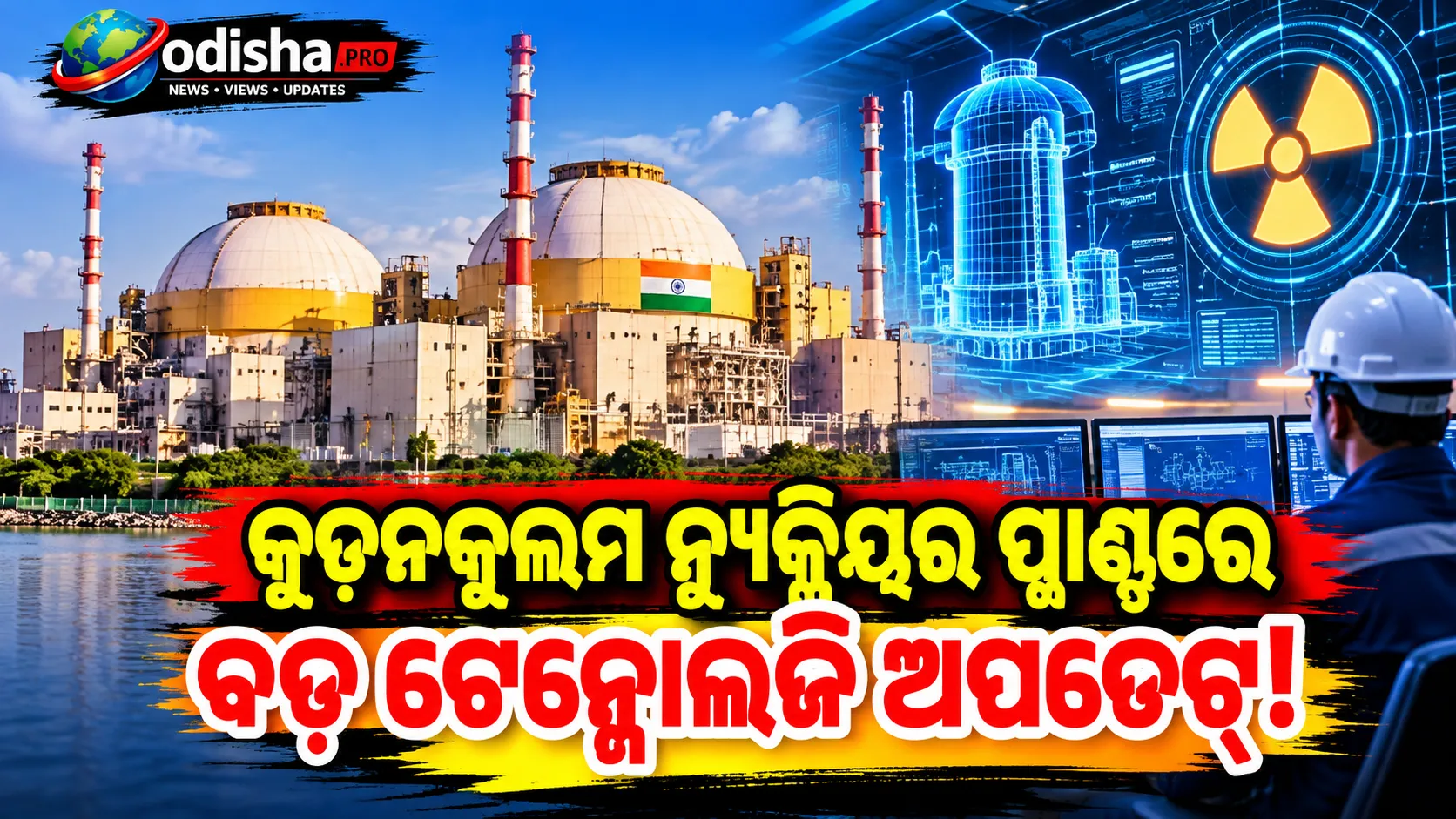
ଭାରତର ସବୁଠୁ ବଡ଼ ପରମାଣୁ ବିଦ୍ୟୁତ କେନ୍ଦ୍ର କୁଡନକୁଲମରେ...
ଅକ୍ଟୋବର ୨୫ ପରେ ସ୍ପଷ୍ଟ ହେବ ଚିତ୍ର ବର୍ତ୍ତମାନ ସମୟରେ...
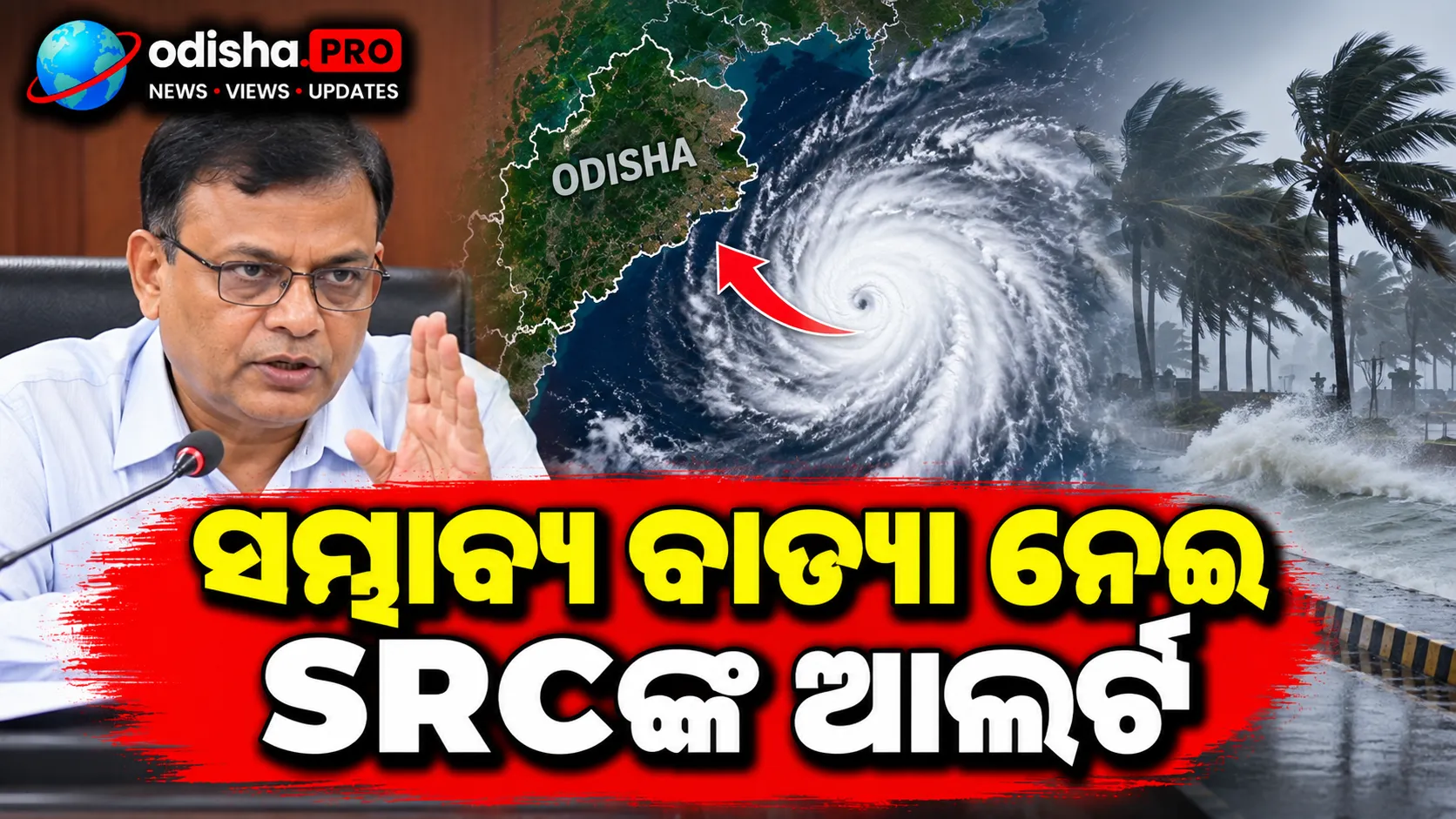
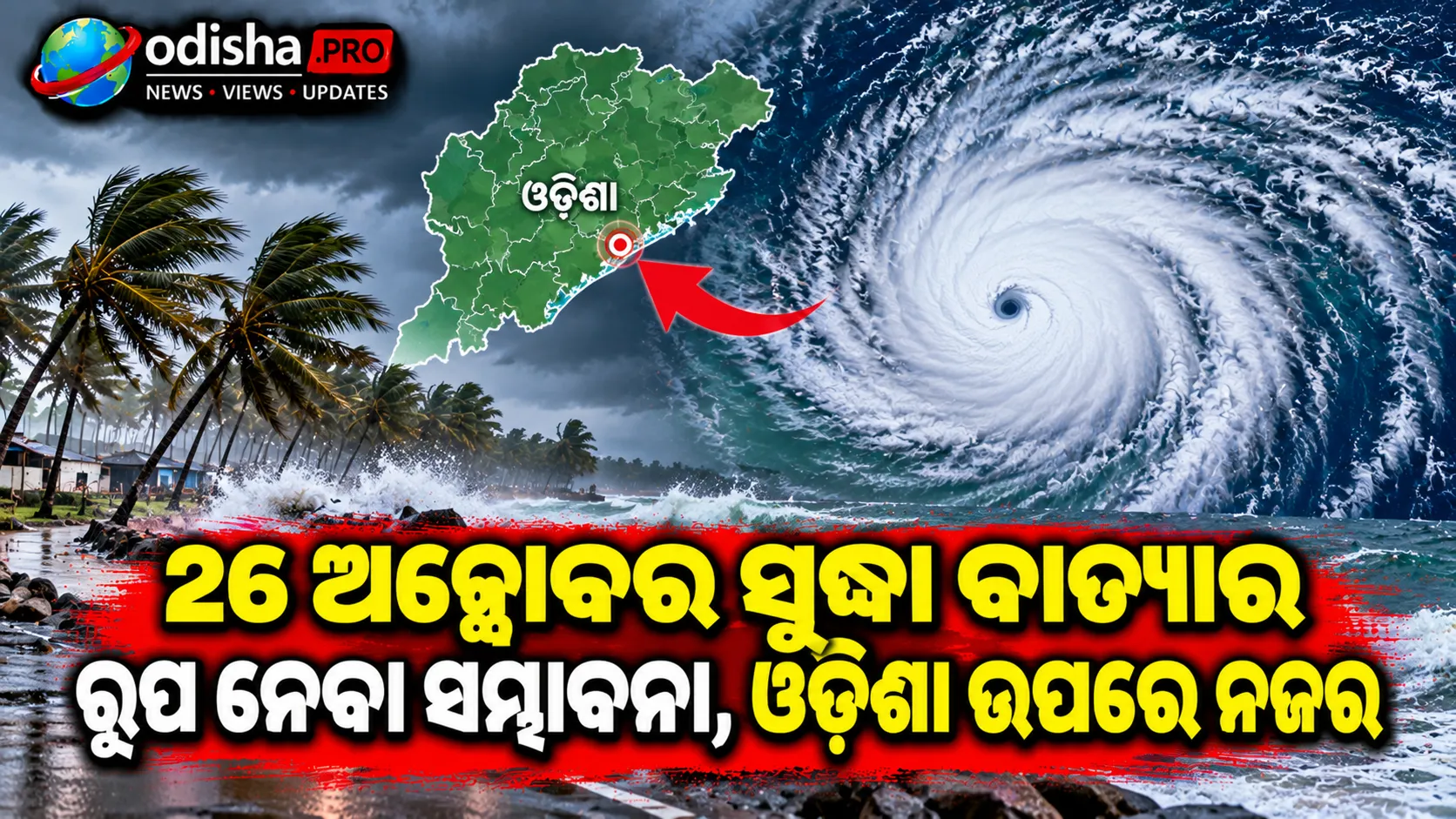
୨୬ ଅକ୍ଟୋବରରେ ବାତ୍ୟା ରୂପ ନେଇପାରେ IMDର ସଦ୍ୟତମ ବୁଲ...

ବୟସ ବଢ଼ିବା ସହ ଅନେକ ଲୋକଙ୍କ ପାଇଁ ଛୋଟ ବଟନ୍‌, ଜଟି...
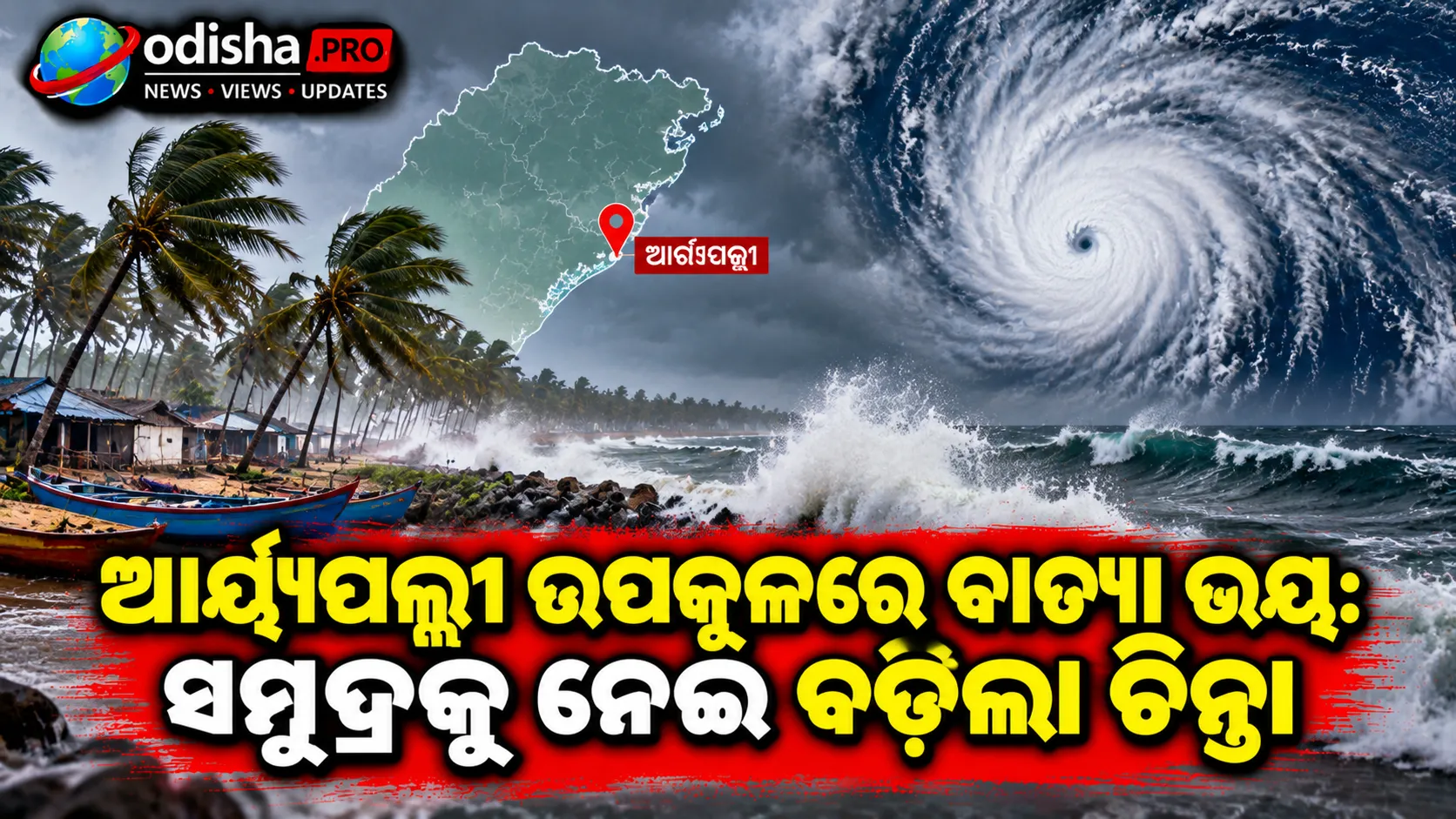
ବଙ୍ଗୋପସାଗରରେ ନୂଆ ପାଣିପାଗ ପ୍ରଣାଳୀ IMDର ସମୁଦ୍ର ବୁ...
ଚେନ୍ନାଇରେ ଶୁକ୍ରବାର ଭୋଟର ତାଲିକାର **Special Summary...
୨୬ରେ ବାତ୍ୟା ରୂପ ନେବା ସମ୍ଭାବନା IMDର ବର୍ତ୍ତମାନର ଟ...
