







Air pollution in India has reached alarming levels, yet the government’s response remains slow and inadequate, according to Richard Horton, editor-in-chief ofThe Lancet. In an interview with India Today, Horton described India’s failure to address this escalating public health crisis as both “mysterious and bizarre,” pointing to widespread public apathy and a lack of political accountability.
Despite being a vibrant democracy, Horton said, India’s citizens are not sufficiently agitated over pollution, which continues to cause severe long-term health impacts such as cardiovascular disease, respiratory disorders, and lung cancer. Unlike acute crises, pollution-related deaths occur gradually over months and years, making it easier for policymakers and the public to delay action.
Air pollution is not only a health concern but also an economic threat. Economist Gita Gopinath highlighted that pollution poses a bigger risk to the Indian economy than trade tariffs, with a World Bank report estimating 17 lakh deaths in 2022 due to air pollution. Nearly all 1.4 billion Indians are exposed to unhealthy levels of PM2.5, and most major cities rarely record an Air Quality Index (AQI) considered safe. Northern India frequently sees AQI levels exceeding 400 during winter, with Delhi and surrounding regions ranking among the world’s most polluted urban areas.
Horton contrasted India’s inaction with China’s decisive measures in cities like Beijing, where authorities restricted vehicle use and shut down polluting industries, transforming air quality dramatically. He emphasized that India’s slow, cumulative pollution crisis has failed to spark urgent public or political action, leaving millions at risk. Experts warn that without immediate intervention, the country will continue to face a long-term health and economic burden from deteriorating air quality.
ଅଭିନେତ୍ରୀବିପାଶା ବାସୁନିଜ ଫିଲ୍ମ କ୍ୟାରିୟରର ଏକ ଗୁରୁତ୍ୱ...

ତାମିଲନାଡୁର ଶାସକ ମେଣ୍ଟ ଏବେ ନିଜର ଏକ ସ୍ୱତନ୍ତ୍ର ରାଜନୈତ...
‘ମିର୍ଜାପୁର: ଦି ମୁଭି’ବକ୍ସ ଅଫିସ୍ରେ ଜବରଦସ...
ମାଲାୟାଲମ୍ ସୁପରଷ୍ଟାରମମୁଟ୍ଟିଙ୍କ ୭୫ତମ ଜନ୍ମଦିନରେ ତାଙ୍କ...
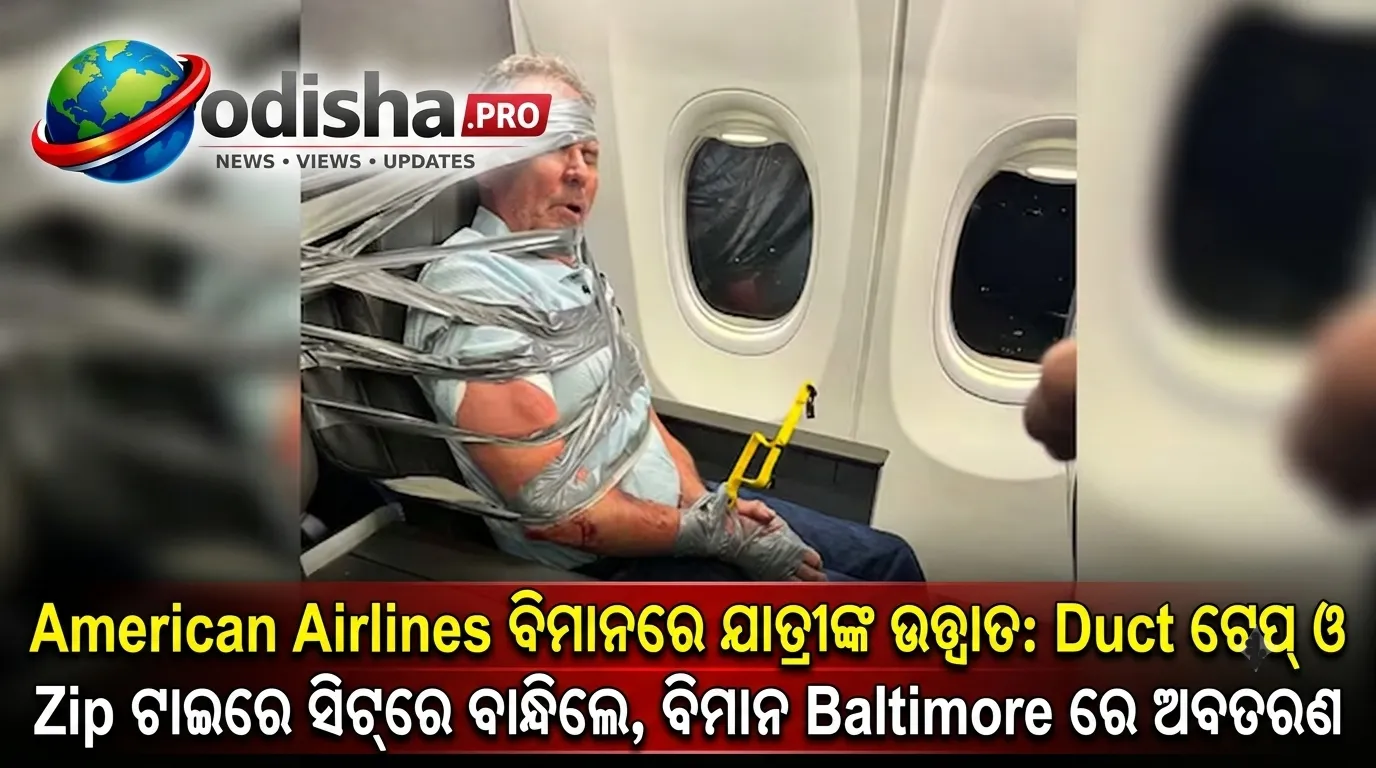
ଆମେରିକାନ୍ ଏୟାରଲାଇନ୍ସର ଏକ ଉଡ଼ାଣ ବେଳେ ଜଣେ ଯାତ୍ରୀଙ୍କ...
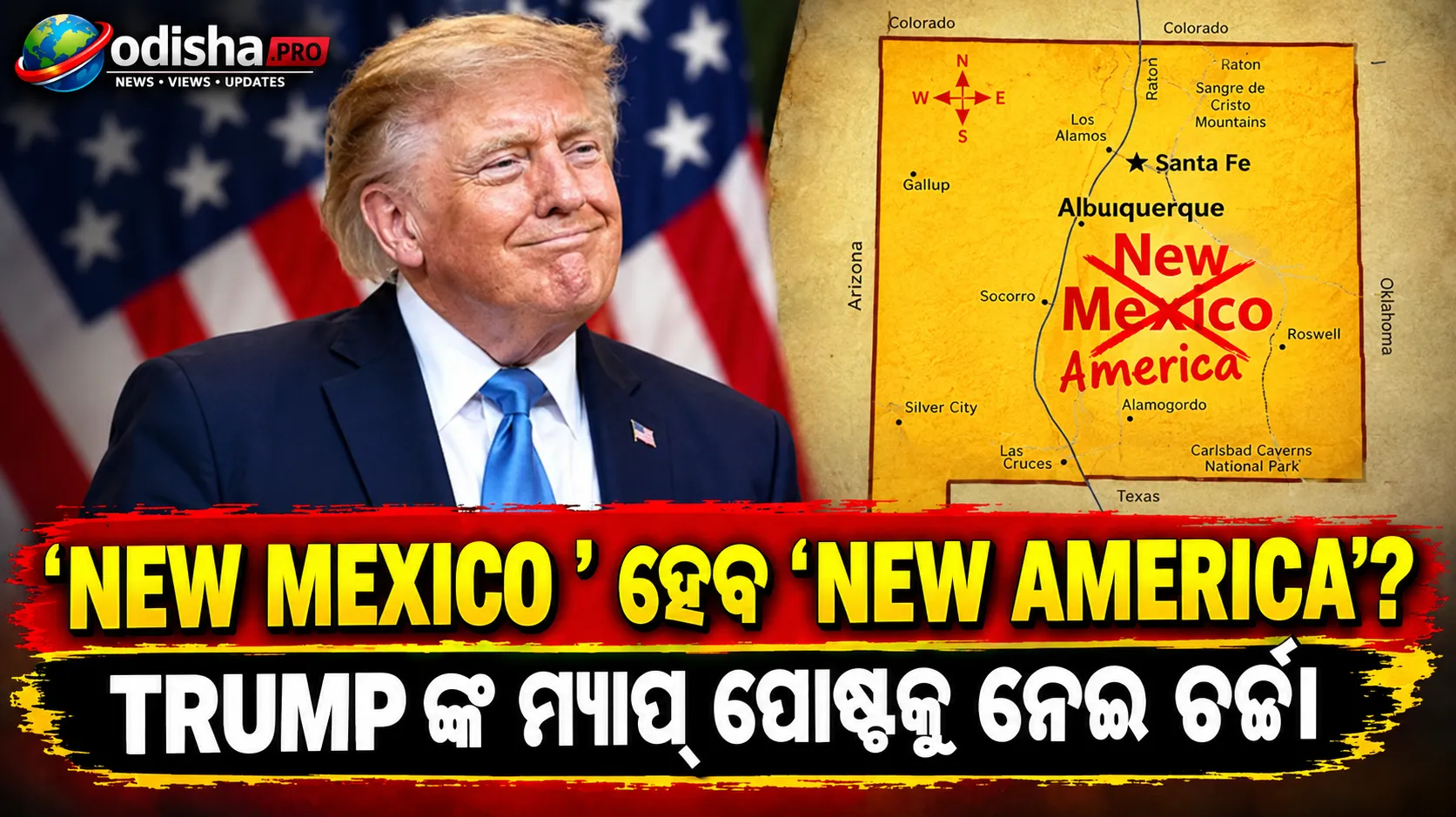
ଆମେରିକା ରାଷ୍ଟ୍ରପତିଡୋନାଲ୍ଡ ଟ୍ରମ୍ପଆମେରିକାର ରାଜ୍ୟନ୍ୟୁ...
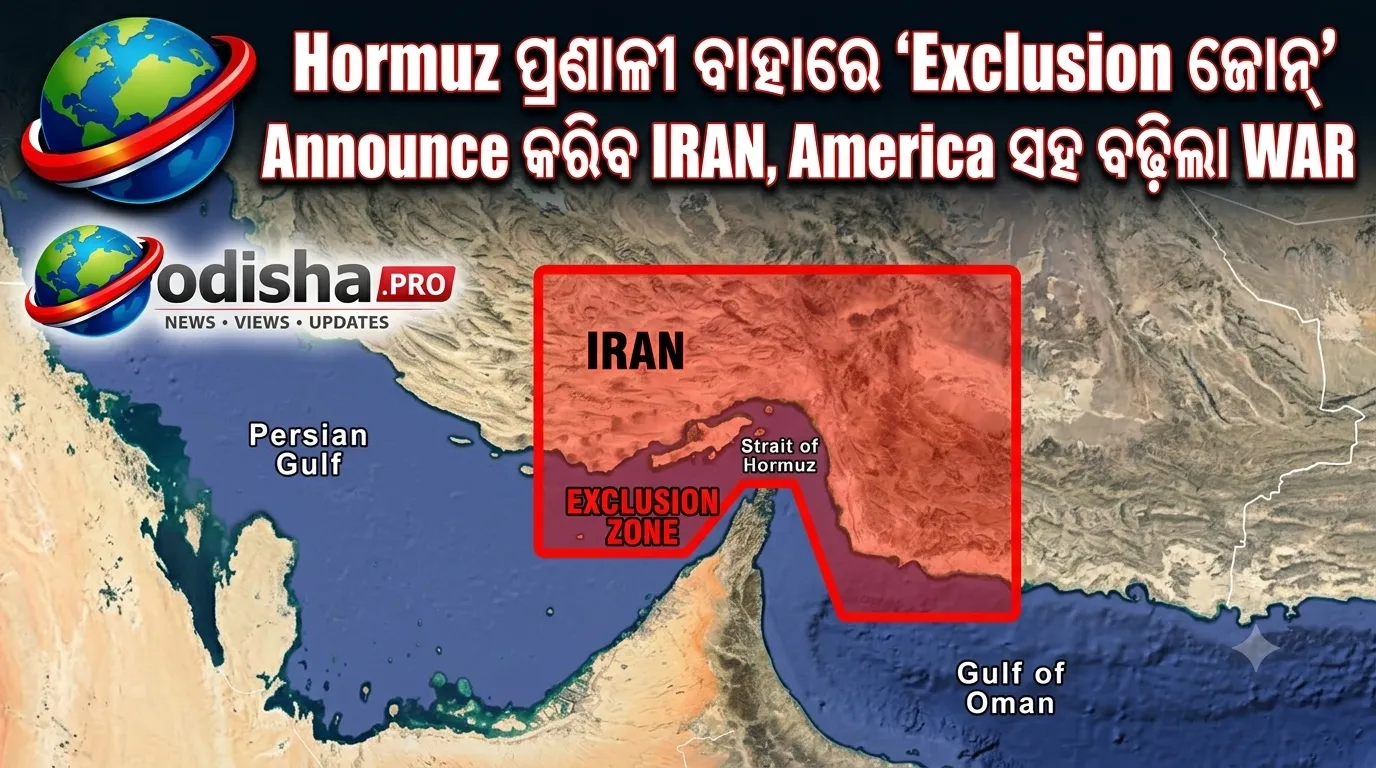
ହର୍ମୁଜ୍ ପ୍ରଣାଳୀକୁ ନେଇ ଆମେରିକା ଓ ଇରାନ ମଧ୍ୟରେ ତିକ୍ତତ...
**‘ମିର୍ଜାପୁର: ଦି ମୁଭି’**ରେ ଏକ ପ୍ରାୟ ୫୦...