



Hidden in the icy wilderness of Siberia, Lake Baikal is one of Earth’s most remarkable natural wonders. Stretching across southern Russia near the Mongolian border, this ancient lake is both the deepest and oldest in the world, formed in a rift valley where the Earth’s crust slowly pulls apart.
Lake Baikal plunges to a maximum depth of 1,642 metres, far deeper than most European mountains. Its waters extend over 636 kilometres, covering 31,500 square kilometres. The lake’s extreme depth means sunlight barely reaches the bottom, creating a unique environment where new species continue to be discovered.
While not the largest by area, Lake Baikal is the largest freshwater lake by volume, containing nearly 20% of the world’s unfrozen freshwater. Its waters are exceptionally clear, with visibility reaching up to 40 metres, and store around 23,600 cubic kilometres of drinkable water—more than any other lake on the planet.
At approximately 25 million years old, Lake Baikal has survived ice ages, earthquakes, and climate shifts. Most lakes live only 10,000–20,000 years, making Baikal a rare natural time capsule. Its sediments hold vital climate records, and its clear, oxygen-rich waters provide insight into evolutionary and geological processes.
Lake Baikal is often called Russia’s Galapagos. Over 1,500–1,800 animal species thrive here, with more than 80% endemic to the lake. Notable species include the Baikal seal (nerpa), omul salmon, golomyanka fish, and 25 goby species. Surrounding forests and wetlands host over 320 bird species, making the lake a hotspot for ecological research and tourism.
Baikal helps scientists study evolution, tectonics, and climate history. Recognized as a UNESCO World Heritage Site in 1996, it is protected through national parks like Barguzinsky and environmental regulations. Despite threats from local industries, ongoing conservation efforts aim to preserve its waters and ecosystem.
Lake Baikal is not just a record-breaker in depth and volume; it is a living treasure of biodiversity and a window into Earth’s ancient past. Its stunning beauty, scientific significance, and ecological uniqueness make it one of the planet’s most extraordinary natural landmarks.
ଅକ୍ଟୋବର ୨୫ ପରେ ସ୍ପଷ୍ଟ ହେବ ଚିତ୍ର ବର୍ତ୍ତମାନ ସମୟରେ...

ନାବାଳିକା ନିଖୋଜ ପରେ ମିଳିଥିଲା ମୃତଦେହ ରିପୋର୍ଟ ଅନୁଯ...

ନାଗୋୟା, ଜାପାନରେ ଚାଲିଥିବା ଏସିଆନ୍ ପାରା ଗେମ୍ସ ୨୦୨୬ରେ...
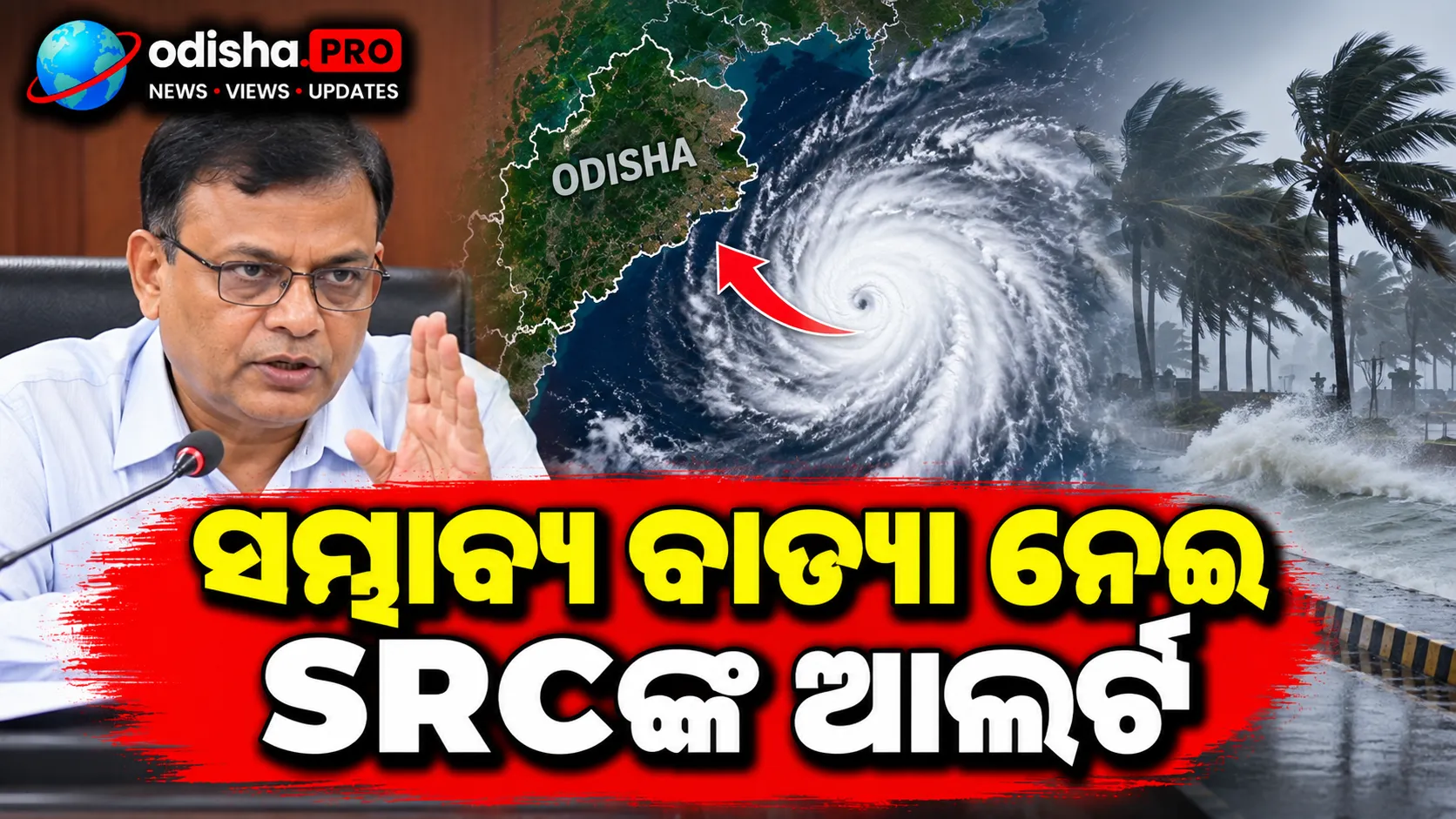
ବଙ୍ଗୋପସାଗରରେ ନୂଆ ପାଣିପାଗ ପ୍ରଣାଳୀ IMDର ସମୁଦ୍ର ବୁ...
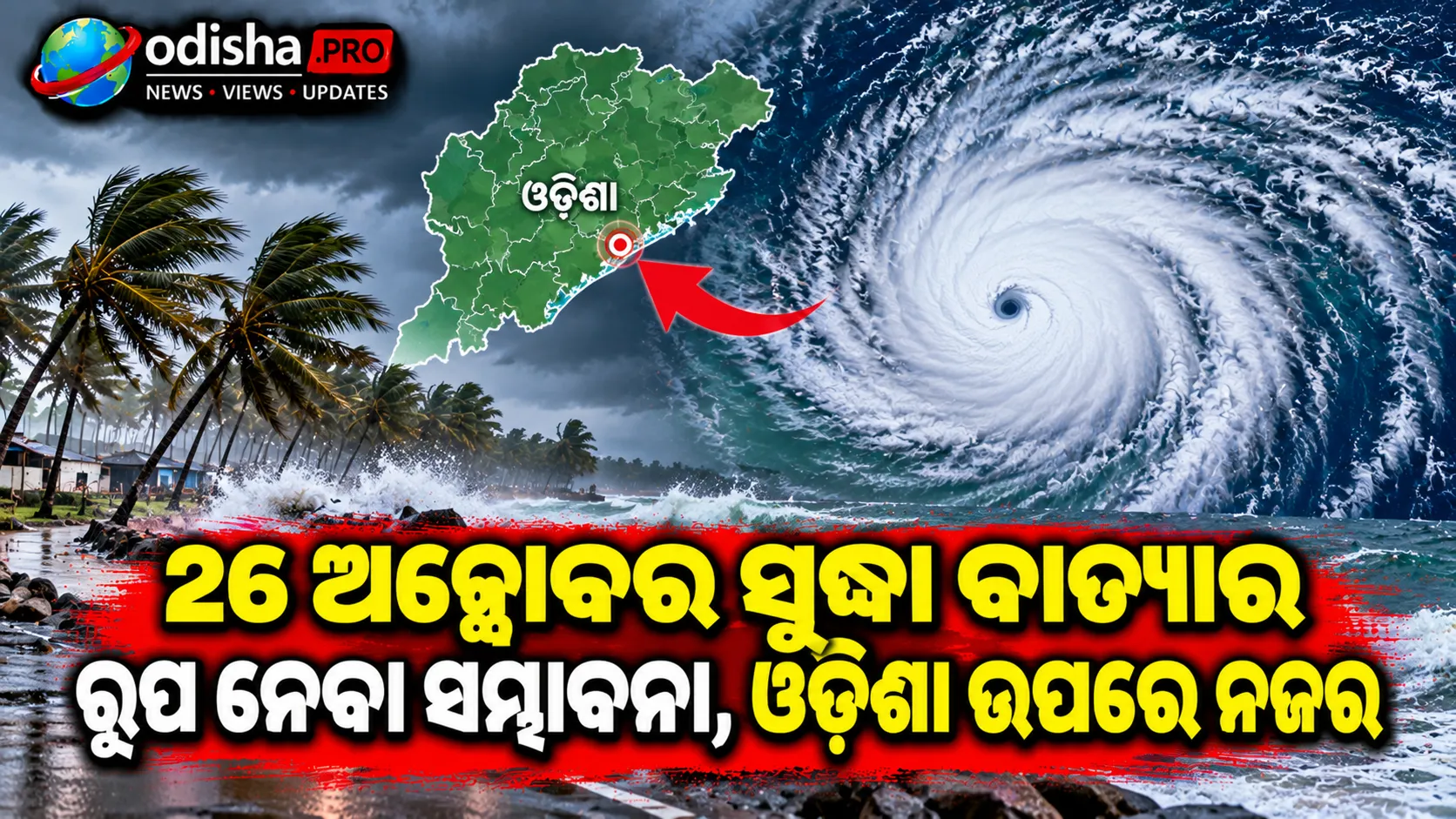
୨୬ ଅକ୍ଟୋବରରେ ବାତ୍ୟା ରୂପ ନେଇପାରେ IMDର ସଦ୍ୟତମ ବୁଲ...
୨୬ରେ ବାତ୍ୟା ରୂପ ନେବା ସମ୍ଭାବନା IMDର ବର୍ତ୍ତମାନର ଟ...

WPL 2027 ଅକ୍ସନ୍କୁ ନେଇ ଏବେଠାରୁ ଚର୍ଚ୍ଚା ଜୋର୍ ଧରିଛି।...

୧୯୮୯ର ଆଦେଶକୁ ରଦ୍ଦ କଲେ ରାଜସ୍ୱ ପରିଷଦ ପୁରୀ ଜିଲ୍ଲାର...