






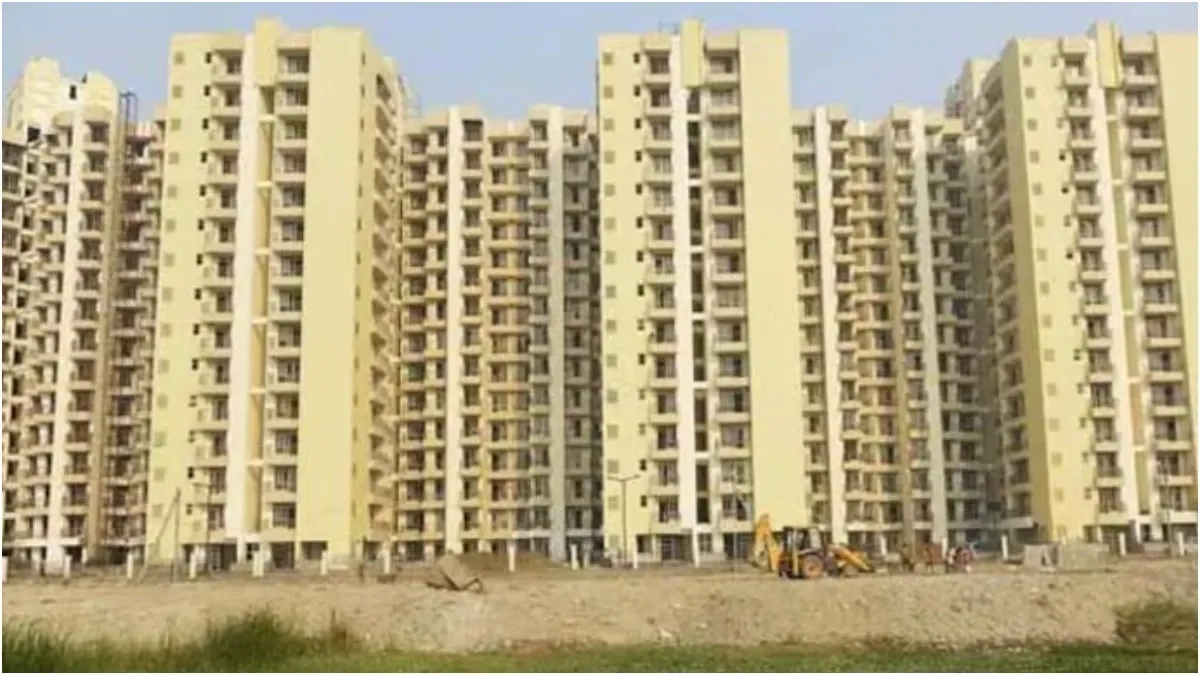
Redevelopment — taking an old or under-utilised property and transforming it into a modern, higher-value asset — has increasingly become a key strategy in urban real estate markets where fresh land parcels are scarce or expensive. In India’s major cities such as Mumbai, Delhi NCR, and Bengaluru, redevelopment captures land value by increasing floor space, modernising infrastructure and aligning with current housing needs. Institutional capital is participating more often, and clustered redevelopment projects with modern amenities are attracting buyer demand, especially in mid-to-premium housing segments.
For investors looking beyond traditional buy-and-hold strategies, redevelopment offers the potential for higher returns by leveraging existing assets and capturing uplift from better design, improved amenities, and policy incentives like higher Floor Space Index (FSI) in transit-linked zones. When executed well, redevelopment can benefit from strong end-user demand and generate value relatively independent of wider short-term price cycles.
Despite these advantages, redevelopment is not without risks. Projects often involve complex approvals, regulatory hurdles and long timelines, and rising construction costs can squeeze profit margins. Delays caused by tenant negotiations, litigation, or planning permissions can stretch cash flow needs, and aggressive pricing negotiations at the society or owner level can erode project viability. Additionally, hidden structural issues in older buildings and unforeseen expenses — such as demolition costs or compliance upgrades — can push budgets beyond initial estimates.
Investors are also reminded that redevelopment requires deep due diligence: confirming title clarity, assessing the developer’s track record and planning for execution risk and market uncertainty. Partnering with established developers who understand local nuances and maintain financial resilience can help mitigate some risks, but thoughtful structuring, phased funding, and realistic sales assumptions remain essential.
In short, redevelopment has become an important and potentially rewarding investment avenue — especially in land-constrained cities. But its complexity means it’s suited not for quick speculative bets, but for patient capital aligned with strong market fundamentals and disciplined execution.
ଭୁବନେଶ୍ୱର: ଆରମ୍ଭ ହୋଇଛି ଓଡ଼ିଶା ବିଧାନସଭାର ମୌସୁମୀ ଅଧି...
ଭୁବନେଶ୍ୱର: ଓଡ଼ିଶା ବିଧାନସଭାର ମୌସୁମୀ ଅଧିବେଶନର ପ୍ରଥମ...

ରାଜ୍ୟର ସ୍କୁଲଗୁଡ଼ିକରେ ପିଲାମାନଙ୍କୁ ଦିଆଯାଉଥିବା ମଧ୍ୟାହ...

IIT Bombayର ଦ୍ୱିତୀୟ ବର୍ଷର BTech ଛାତ୍ର ସାହିଲ ରବୀନ୍ଦ...
ଲକ୍ଷ୍ନୌ: ଉତ୍ତରପ୍ରଦେଶରେ ଆମ୍ବେଦକରଙ୍କ ପ୍ରତିମୂର୍ତ୍ତି ଭ...

କଟକ: ଚୌଦ୍ୱାର ସର୍କଲ୍ ଜେଲ୍‌ର ସିନିୟର ସୁପରିଣ୍ଟେଣ୍...

ଓଡ଼ିଶାର ସରକାରୀ ସ୍କୁଲଗୁଡ଼ିକରେ ନୂଆ ପାଠ୍ୟକ୍ରମ ଅନୁଯାୟୀ...
ପାକିସ୍ତାନରଖୈବର ପଖ୍ତୁନଖ୍ୱାରେ ଜଣେ ପ୍ରାଦେଶିକ ମନ୍ତ୍ରୀଙ...

ମୁମ୍ବାଇରଆଇଆଇଟି ବମ୍ବେରେ ଛାତ୍ର ସାହିଲ ରବୀନ୍ଦ୍ର ୱାକୋଡେ...

ଭୁବନେଶ୍ୱର:ସୋସିଆଲ ମିଡିଆରେ କରାଯାଇଥିବା ଏକ LIVE ଭିଡିଓକ...

ସୁନ୍ଦରଗଡ଼: ବୀରମିତ୍ରପୁର-ରାଇବୋଗା ରୋଡ୍‌ରେ ଥିବା S...

ବରଗଡ଼ ଜିଲ୍ଲାର ଜଣେ ପଞ୍ଚାୟତ ଏକ୍ଜିକ୍ୟୁଟିଭ୍ ଅଫିସର (PEO...