


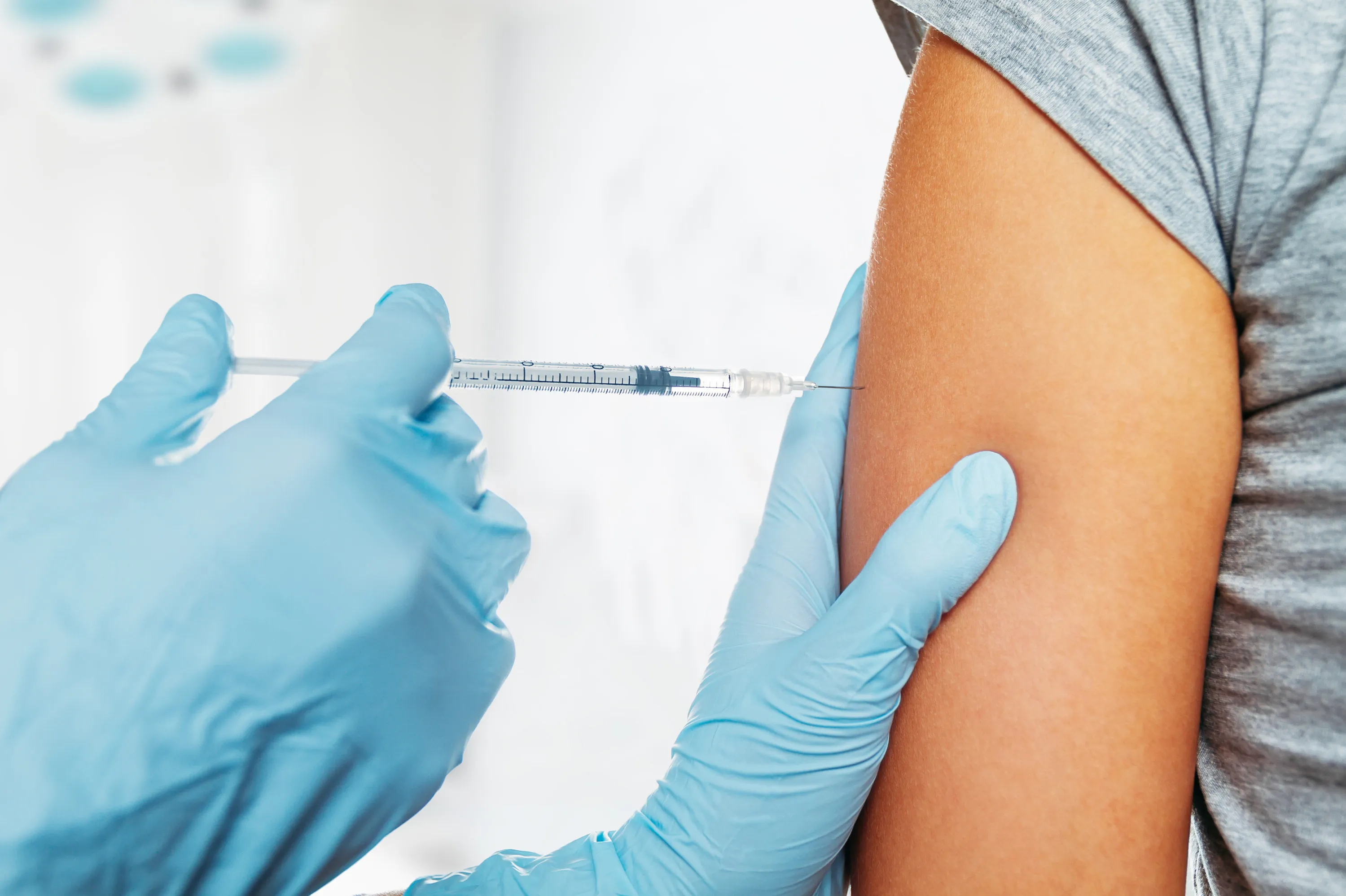
India continues to carry adisproportionately high burden of cervical cancer, accounting for roughlyone-third of global cases— making it one of the most pressing women’s health challenges in the country. Cervical cancer, caused mainly by persistent infection withhigh-risk human papillomavirus (HPV)types such as 16 and 18, is among the most common yet preventable cancers affecting women worldwide.
In response to this heavy disease burden, theGovernment of Indiais preparing to launch anationwide HPV vaccination programmeaimed at protecting adolescent girls before potential exposure to the virus. The initiative will use theGardasil quadrivalent vaccine, which guards against the HPV strains responsible for the majority of cervical cancer cases, and is being introducedfree of cost and on a voluntary basisunder the Universal Immunisation Programme.
Medical and public health experts highlight thatHPV vaccines are among the most effective toolsfor preventing cervical cancer, showing over90 % effectivenessagainst infection by vaccine-covered HPV types in numerous global studies. Administering the vaccine to girls around14 years of age— before sexual debut — offers thegreatest long-term protectionand aligns with guidelines from theWorld Health Organization (WHO)on cervical cancer elimination strategies.
With India joining more than160 countriesthat have incorporated HPV vaccination into their national immunisation schedules, health officials hope the programme will significantly reduceboth incidence and mortalityfrom cervical cancer over time. This public health push, combined with broader awareness and screening efforts, offers a ray of hope for millions of women and marks a crucial step toward curbing a largely preventable form of cancer.

ମେଷ ଏହି ସପ୍ତାହରେ ଆତ୍ମବିଶ୍ୱାସ ବଢ଼ିବ। କାର୍ଯ୍ୟକ୍ଷେ...
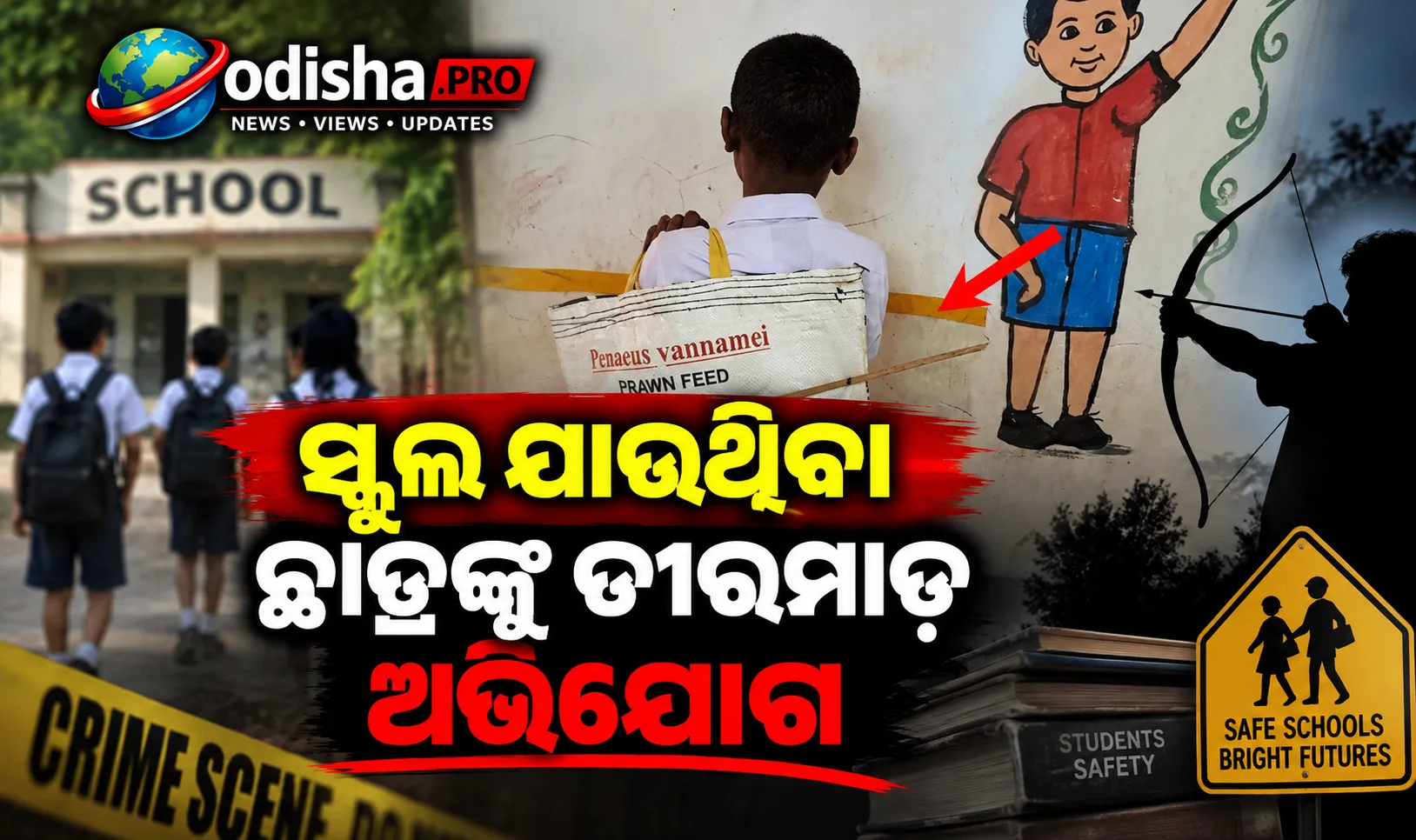
ଲ ଯିବା ବାଟରେ ତୀରମାଡ଼ ଅଭିଯୋଗ ସୋମବାର ସମ୍ବଲପୁର ଜିଲ...

ମାରୁତି ସୁଜୁକି କାର୍ କିଣିବାକୁ ଯୋଜନା କରୁଥିବା ଗ୍ରାହକଙ୍...
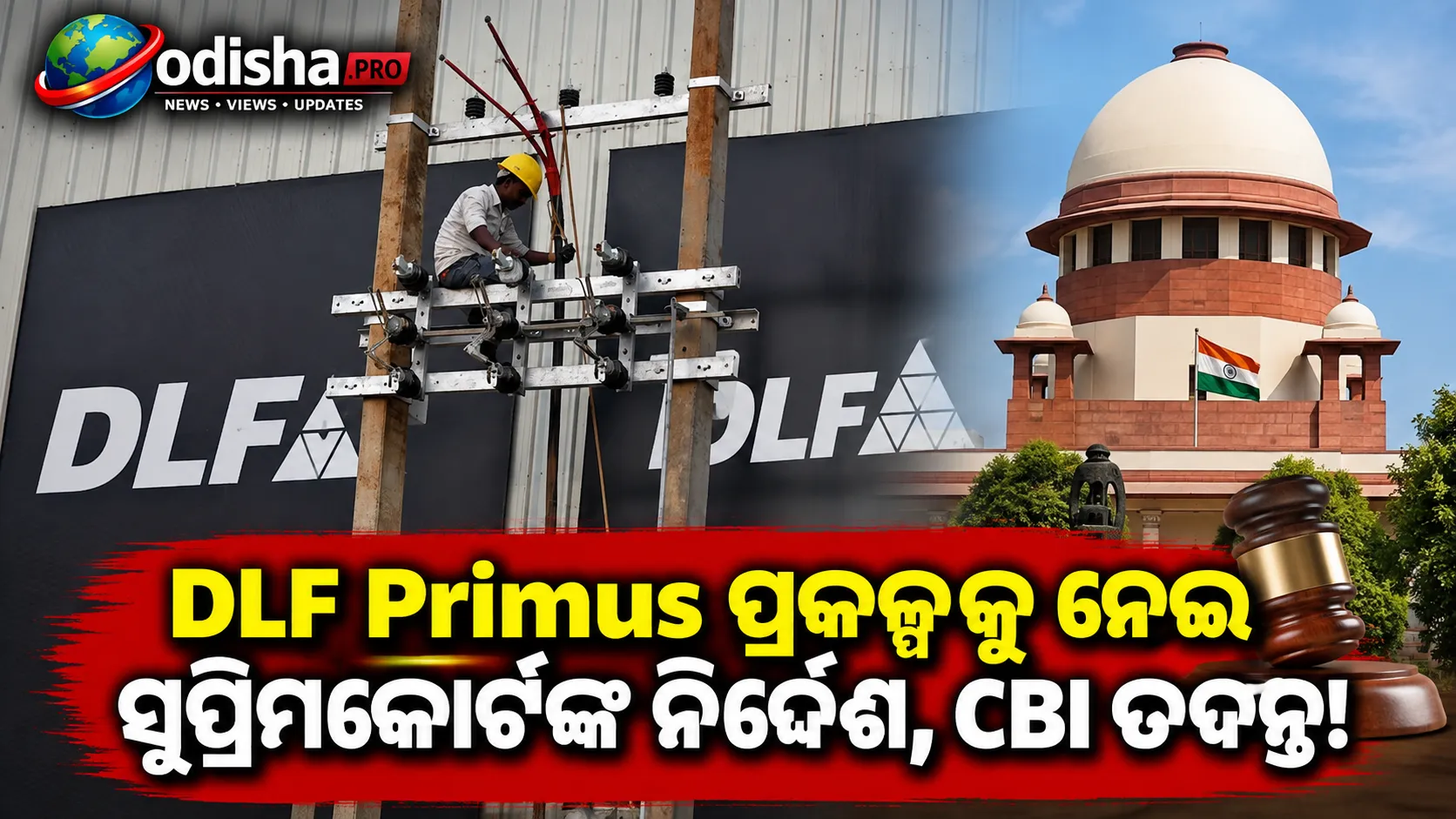
ଗୁରୁଗ୍ରାମରDLF Primus ପ୍ରକଳ୍ପକୁ ନେଇ ସୁପ୍ରିମକୋର୍ଟ କଡ...

ବୀମା ପଲିସି କିଣିବା ପରେ ଅନେକ ଲୋକଙ୍କ ପାଇଁ ସବୁଠୁ ବଡ଼ ସ...
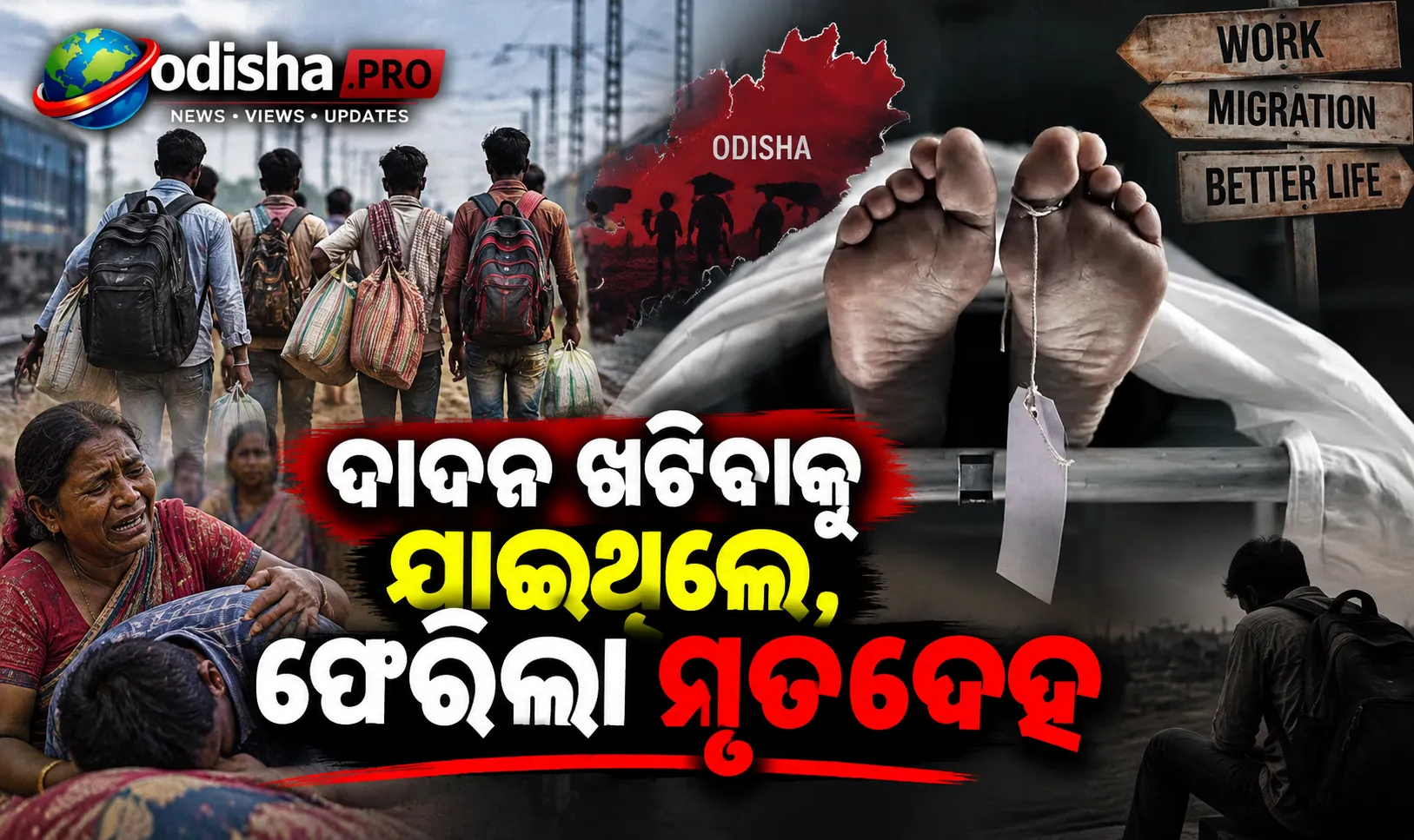
ରୋଜଗାର ପାଇଁ ଯାଇଥିଲେ, ଫେରିଲା ମୃତଦେହ ରାୟଗଡ଼ ବ୍ଲକ...
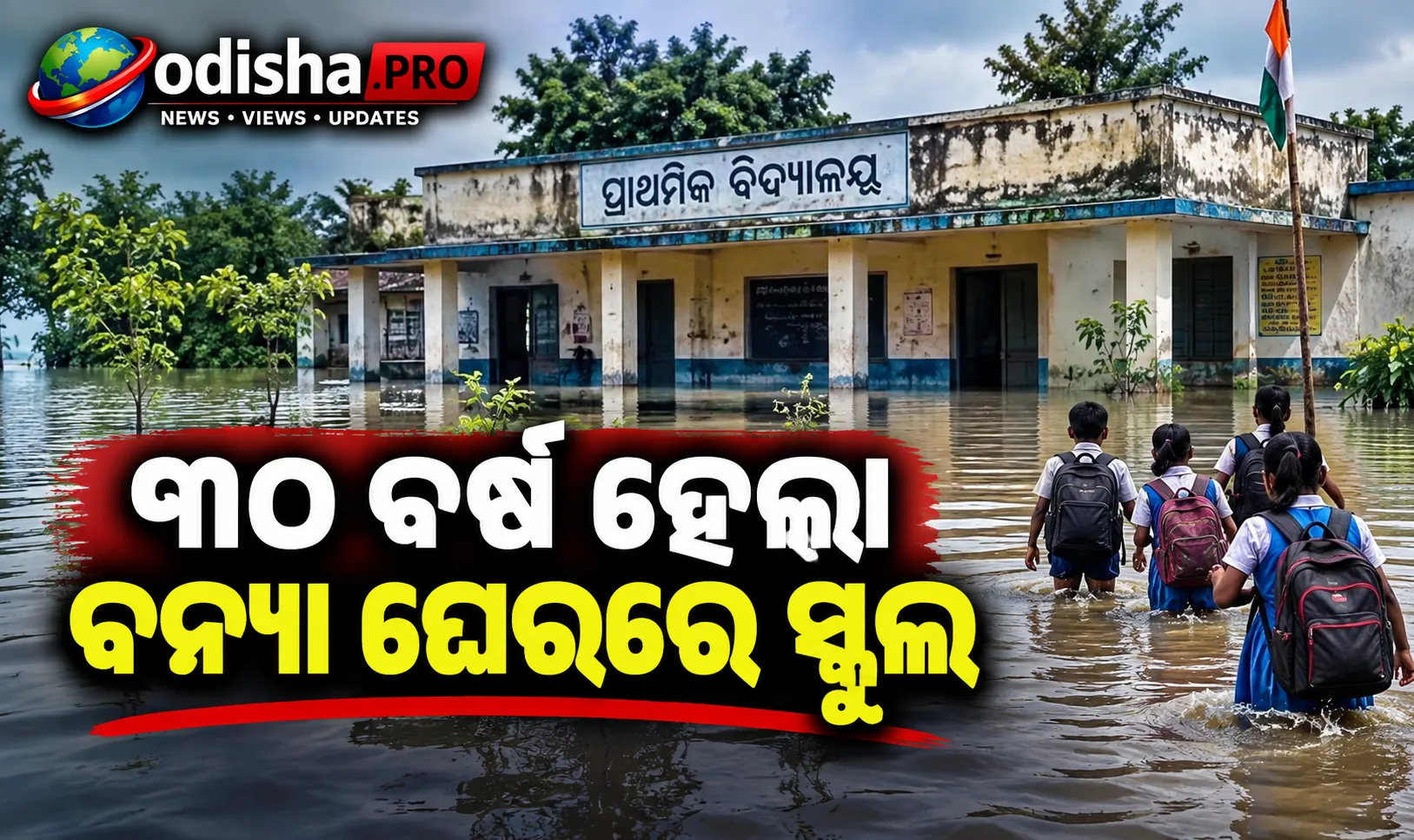
ବର୍ଷା ଆସିଲେ ସ୍କୁଲ ପାଲଟିଯାଏ ଦ୍ୱୀପ ଢେଙ୍କାନାଳ ଭୁବନ...
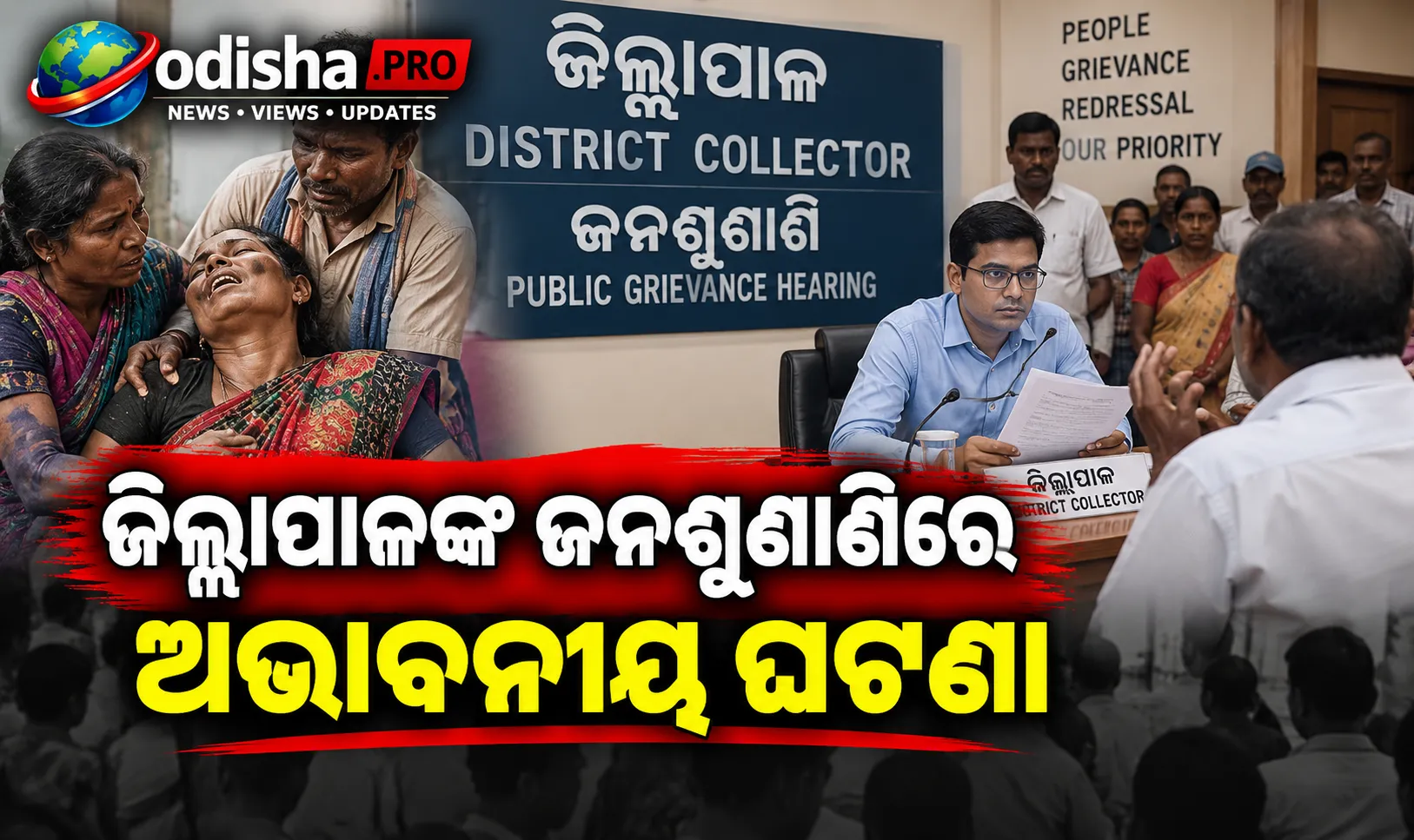
ଜନଶୁଣାଣିରେ ଅଭାବନୀୟ ଘଟଣା ରାୟଗଡ଼ା ଜିଲ୍ଲାପାଳଙ୍କ ଜନ...

ଟାଟା ମାଲିକାନାଧୀନJaguar Land Rover (JLR)ବ୍ରିଟେନ୍ରେ...
