






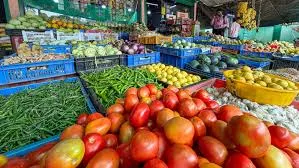
A recent analysis of 72 vegetable samples collected from markets and agricultural areas in and aroundBengaluruhas revealed alarmingly high levels oflead, a toxic heavy metal, bringing fresh food safety concerns to the city. According to a report submitted to theNational Green Tribunal (NGT)by a Central Pollution Control Board (CPCB) committee, 19 of these samples exceeded the permissible limits for lead — withbrinjal samples showing lead levels nearly 20 times above the safe limitset by food safety regulations. Vegetables such as gourds, beans, beetroot, cabbage, capsicum, chillies, cucumbers, and turnips also showed dangerous contamination.
Lead is a highly toxic metal that accumulates in the human body over time and hasno known safe level of exposure. TheWorld Health Organization (WHO)links lead exposure to a range of serious health effects, including cardiovascular disease, kidney damage, nervous system impairment, anaemia, and reproductive issues. Children are particularly at risk, as even low-level exposure can harmbrain development, cognition, and behaviour.
Experts note that washing or peeling vegetables can remove some surface contaminants, butlead absorbed into plant tissues cannot be washed away, making contamination from soil and irrigation water a deeper challenge. Evidence of lead in nearby soils and groundwater suggests environmental pollution is likely contributing to the problem. The presence of elevated pesticide residues alongside heavy metals further raises food safety concerns.
Public health specialists say this issue is not limited to one crop or market — but could be indicative of broader environmental contamination that affects food grown in peri-urban agricultural zones. They call forregular monitoring, stricter regulatory enforcement, and awareness among farmers about safe cultivation practices. Consumers, meanwhile, are urged to be cautious and prioritise balanced diets with a variety of food sources to reduce long-term risk.

ନ୍ୟୁୟର୍କ: ୟୁଏସ୍‌ ଓପନ୍‌ରେ ଭାରତୀୟ ଟେନିସ୍&z...
ବର୍ଷା ଆସିଲେ ସ୍କୁଲ ପାଲଟିଯାଏ ଦ୍ୱୀପ ଢେଙ୍କାନାଳ ଭୁବନ...

ନ୍ୟୁୟର୍କ: US Open 2026 ଦ୍ୱିତୀୟ ସପ୍ତାହରେ ପହଞ୍ଚିଛି।...
ରୋଜଗାର ପାଇଁ ଯାଇଥିଲେ, ଫେରିଲା ମୃତଦେହ ରାୟଗଡ଼ ବ୍ଲକ...
ଲ ଯିବା ବାଟରେ ତୀରମାଡ଼ ଅଭିଯୋଗ ସୋମବାର ସମ୍ବଲପୁର ଜିଲ...
ଜନଶୁଣାଣିରେ ଅଭାବନୀୟ ଘଟଣା ରାୟଗଡ଼ା ଜିଲ୍ଲାପାଳଙ୍କ ଜନ...
