


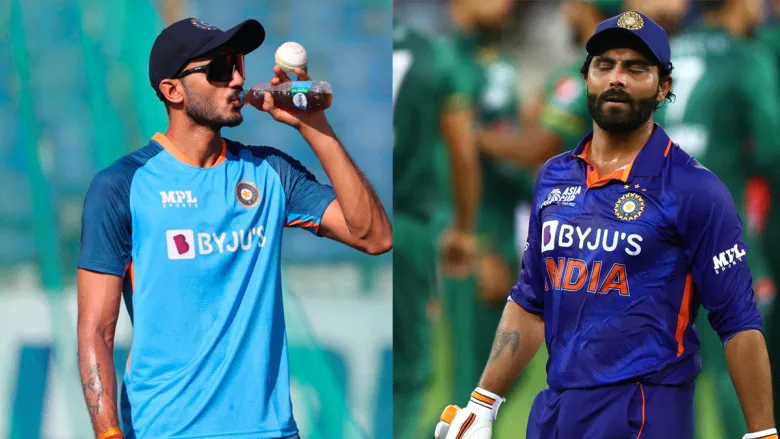
India’s defeat in the second ODI against New Zealand went beyond a simple setback, serving as a stark reminder of the issues simmering beneath the surface. On a pitch that offered something for the bowlers, India struggled to assert control, faltering with both bat and ball as the visitors clawed their way back into the series. The match exposed concerns that extend deeper than a single result.
Ravindra Jadeja found himself at the heart of that scrutiny. Long regarded as one of India’s most dependable all-rounders, Jadeja has built his reputation on rescuing the team in difficult situations. However, his recent ODI form suggests that his influence in the format is waning. Walking in at 118/4 in the second ODI, a scenario once tailor-made for his skill set, Jadeja failed to provide the momentum India needed, scoring a cautious 27 off 44 balls before falling to Michael Bracewell. His bowling offered little respite either, as he ended wicketless while conceding 44 runs from eight overs.
This performance followed a similarly underwhelming outing in the series opener, where he gave away 56 runs in nine overs and managed just four with the bat. Once rare, such returns are becoming increasingly frequent. Over his last five ODIs, Jadeja has picked up only one wicket, averaging an alarming 257 with the ball and conceding at over six runs per over. His batting numbers — 87 runs from four innings at a strike rate of 90.62 — also fall well short of expectations for a frontline all-rounder.
What makes this dip more significant is the rise of Axar Patel. No longer merely a like-for-like alternative, Patel has steadily emerged as a stronger option across formats. The contrast between the two was evident during the T20 World Cup 2024, where Axar claimed nine wickets to Jadeja’s one and played a vital 47-run knock in the final to help end India’s long ICC trophy drought. The Champions Trophy 2025 further underlined the shift, with Patel once again making greater contributions while Jadeja struggled to leave his mark.
Former India captain Kris Srikkanth has openly questioned Jadeja’s form and the team management’s continued backing of him ahead of Patel. He pointed to Jadeja’s apparent indecision in his bowling approach and argued that Axar’s consistent performances warranted greater trust. Srikkanth also highlighted Patel’s ability to offer balance as a sixth bowling option, a factor India appeared to miss in the recent defeat.
Axar’s growing stature was further evident in the Australia series, where he contributed valuable runs down the order and maintained an impressive economy rate with the ball. His appointment as India’s T20I vice-captain only reinforced the management’s faith in him. For Jadeja, these developments signal a critical phase. With the 2027 ODI World Cup still some way off, opportunities to reclaim his place appear limited.
Cricket offers little room for sentiment. Jadeja’s past heroics have earned him immense respect, but selection increasingly hinges on current impact rather than reputation. If Axar Patel continues on his upward trajectory, particularly in major tournaments, Jadeja’s path back into India’s long-term ODI plans may grow ever narrower, marking a gradual shift in the team’s all-rounder hierarchy.

ବଲିଉଡ୍‌ର ‘ଶେହେନଶାହ’ ଅମିତାଭ ବଚ୍ଚନଙ...
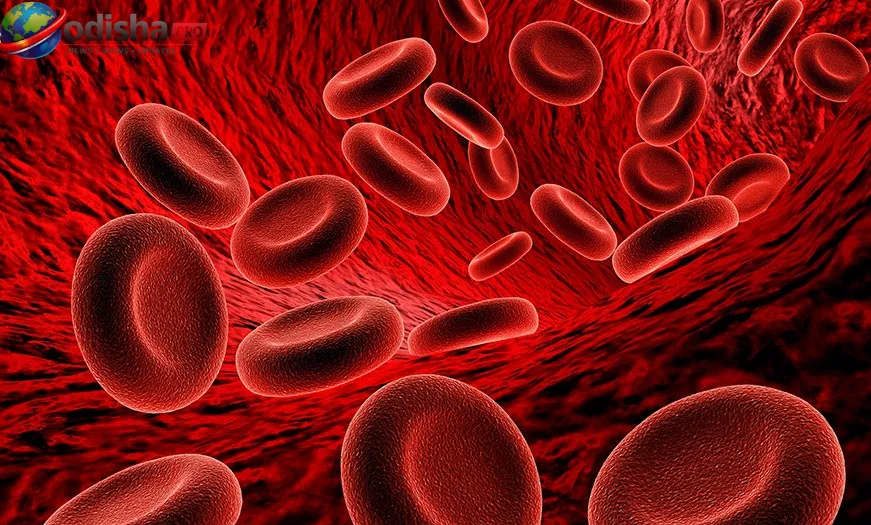
ଓଡ଼ିଶାର ଆଦିବାସୀ ଅଞ୍ଚଳରେ ପୌଷ୍ଟିକ ସଙ୍କଟ ଗଭୀର ହେଉଥିବା...

ରାଜ୍ୟରେ ଲଗାଣ ବର୍ଷା ଜାରି ରହିଥିବା ବେଳେ ବାଲେଶ୍ୱର ଜିଲ୍...
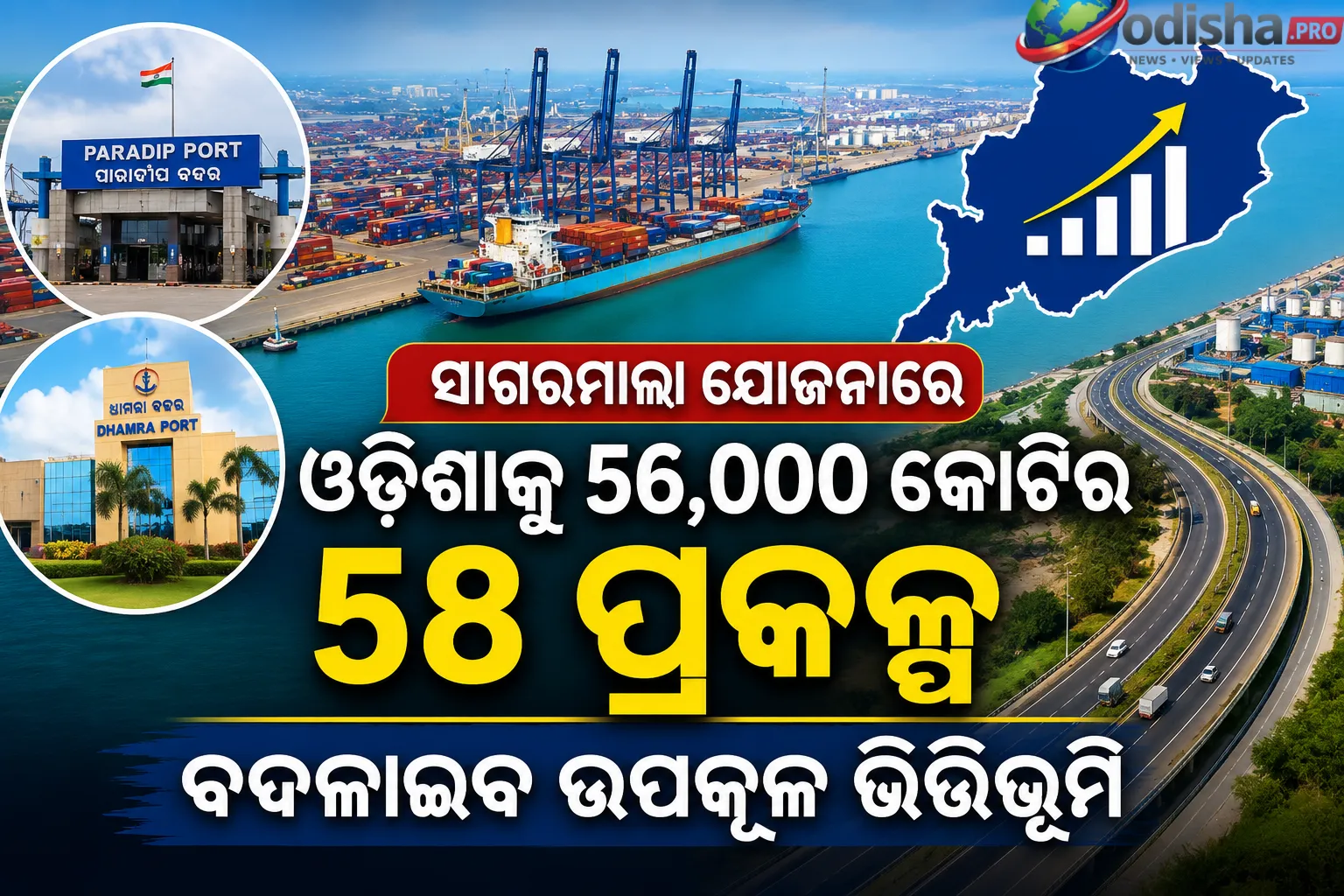
ସାଗରମାଳା କାର୍ଯ୍ୟକ୍ରମ ଅଧୀନରେ ଓଡ଼ିଶା ଦେଶର ଅଗ୍ରଣୀ ରାଜ...

ଲଘୁଚାପ ପ୍ରଭାବରେ ଲଗାଣ ବର୍ଷା ଯୋଗୁଁ ଢେଙ୍କାନାଳ ଜିଲ୍ଲାର...
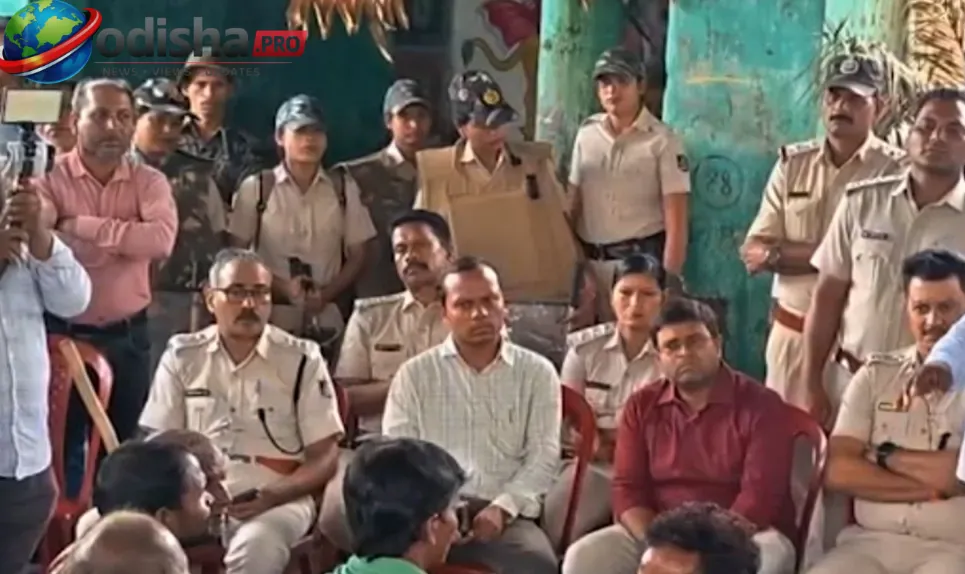
ବଲାଙ୍ଗିର ଜିଲ୍ଲାର ଲୋୟର ସୁକତେଲ ପ୍ରକଳ୍ପକୁ ନେଇ ମଙ୍ଗଳବା...

ଦିଲ୍ଲୀ-ଏନ୍‌ସିଆରରେ ପାଗରେ ହଠାତ୍ ପରିବର୍ତ୍ତନ ଦେଖା...

ଅଦାନୀ ଗ୍ରୁପ୍‌ର ଅଦାନୀ ଏନର୍ଜି ସଲ୍ୟୁସନ୍ସ ଲିମିଟେଡ...

ଓଡ଼ିଶାକୁ ମିଳିଛି ଆଉ ଏକ ବଡ଼ ଶିଳ୍ପ ପ୍ରକଳ୍ପ। କେନ୍ଦ୍ର ସ...

ଅନଲାଇନ୍ ସପିଂ ବର୍ତ୍ତମାନ ସମୟରେ ଦୈନନ୍ଦିନ ଜୀବନର ଏକ ଅଂଶ...
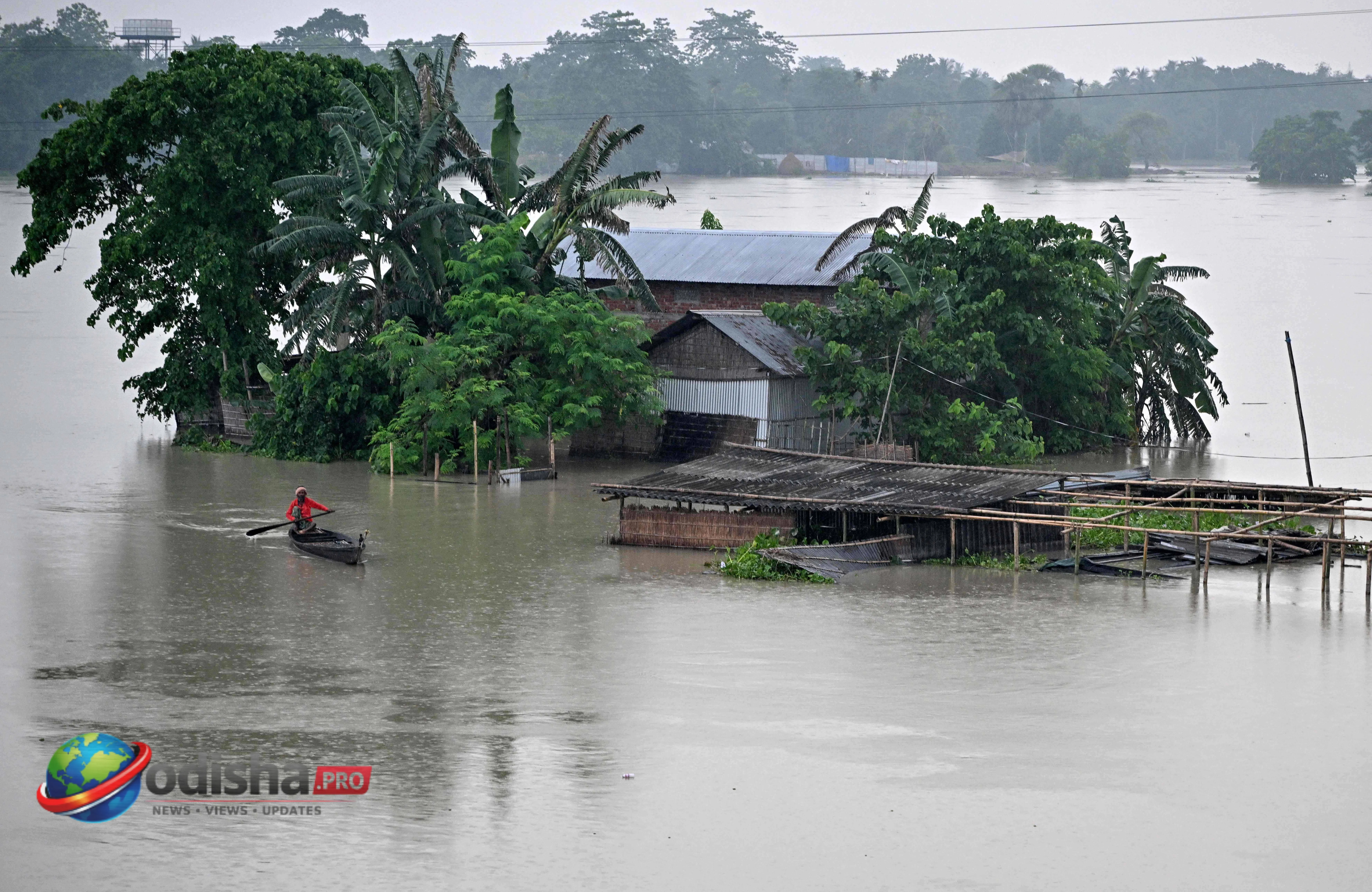
ଲଗାଣ ବର୍ଷା ପରେ ଆସାମରେ ପ୍ରକୃତିର ପ୍ରଳୟଙ୍କରୀ ରୂପ ଦେଖି...

ବ୍ରହ୍ମପୁର ସହରରେ ପୁଣିଥରେ କୋଭିଡ୍ ସଂକ୍ରମଣ ଦେଖିବାକୁ ମି...