






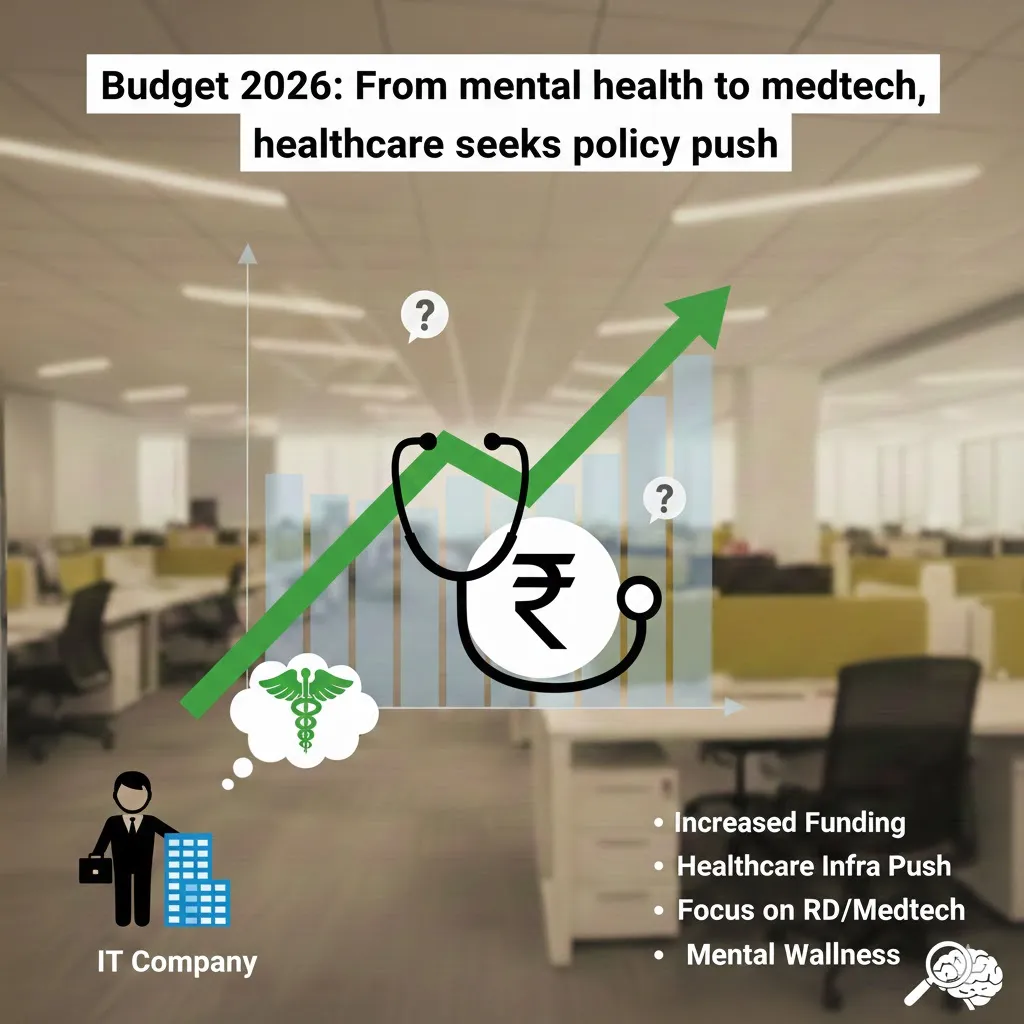
As Union Budget 2026–27 approaches, healthcare leaders across diagnostics, hospitals, mental health, medtech, and preventive care are calling for targeted policy support. While recent budgets have increased healthcare spending, experts say the next phase must prioritise execution, prevention, domestic manufacturing, and access beyond major urban centers.
Dr. Anand K, Managing Director and CEO of Agilus Diagnostics Ltd., emphasises that diagnostics play a central role in patient care. “Diagnostics informs nearly every clinical decision, and policy choices directly affect patient outcomes, system efficiency, and long-term costs,” he says.
Despite higher allocations in recent budgets, structural issues persist. A key concern is the inverted duty structure, where importing finished diagnostic products is often cheaper than sourcing raw materials locally. “This undermines domestic manufacturing and limits value creation within the country,” Dr. Anand notes. He recommends balanced tax structures and consistent R&D incentives to reduce import dependence while keeping diagnostics affordable and reliable.
Mental health professionals stress that funding still falls short of the sector’s needs. Dr. Jothi Neeraja, Founder and Managing Director of People Tree Hospitals and Maarga Mind Care, points out that direct mental health spending was around ₹1,004 crore—just 1% of the overall health budget.
She urges Budget 2026 to support community programs, early interventions, workforce training, and mental health infrastructure across urban and rural areas. “Digital and tele-mental health services, along with integrated care pathways, will be crucial to translating policy intent into tangible outcomes,” Dr. Neeraja adds.
Experts expect the next budget to focus on healthcare infrastructure and preventive initiatives. Dr. Sabine Kapasi, CEO of Enira Consulting and Founder of ROPAN Healthcare, highlights the potential for a PLI 2.0 scheme to boost medical devices and equipment manufacturing, with incentives for research, innovation, and domestic production.
She also stresses the integration of AYUSH into mainstream healthcare and the need to institutionalize screening programs for conditions like breast cancer and sickle cell anaemia.
Preventive healthcare is emerging as a major theme. Masaharu Morita, Founder and Program Director of NURA – AI Health Screening Centre, notes that non-communicable diseases often remain undetected until advanced stages, placing a heavy burden on families and public health systems.
“Structured screening programs and technology-led risk assessments can help detect illnesses early, reduce hospitalisations, and lower long-term costs,” he says. “A forward-looking budget prioritising early detection and preventive care can build a healthier, more resilient population.”
Hospital operators are calling for measures that ensure long-term sustainability. Dr. Vivek Desai, Founder and Managing Director of HOSMAC, stresses that healthcare should be treated as a nation-building investment.
“We hope to see increased allocations, GST simplification for providers, promotion of Make-in-India medtech, expanded nursing and paramedical education, and longer-term financing options for hospitals,” he says.
Dr. Desai also calls for targeted support for hospitals in semi-urban and rural areas, investment in digital health and AI-led telemedicine, a focus on geriatric care, and expansion of Ayushman Bharat to include the middle class.
As expectations build ahead of Budget 2026, healthcare leaders agree on one point: a forward-looking, well-targeted budget could strengthen India’s health system, improve access, and move the country closer to affordable, preventive, and outcome-driven care.
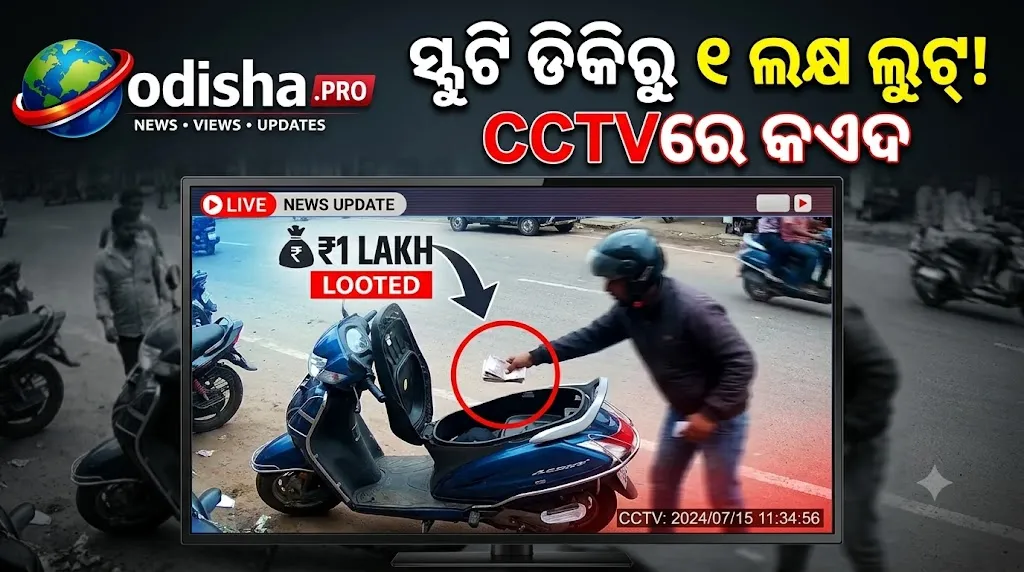
କେନ୍ଦ୍ରାପଡ଼ା ଜିଲ୍ଲା କୋରୁଆ ବଜାରରେ ଅବସରପ୍ରାପ୍ତ ଜଣେ ବ...
ନୂଆଦିଲ୍ଲୀ: ଭାରତର ସ୍ୱଦେଶୀ ଏରୋସ୍ପେସ୍ କ୍ଷେତ୍ରରେ ଆଉ ଏକ...

ଦିଲ୍ଲୀ ବିଶ୍ୱବିଦ୍ୟାଳୟ ଛାତ୍ର ସଂଘ (DUSU) ନିର୍ବାଚନ ୨୦୨...
ଦିଲ୍ଲୀ ବିଶ୍ୱବିଦ୍ୟାଳୟ ଛାତ୍ର ସଂଘ (DUSU) ନିର୍ବାଚନ ୨୦୨...
ଡେଙ୍ଗୁ ବିରୋଧରେ ଭାରତର ଟିକାକରଣ ପ୍ରୟାସରେ ଏକ ନୂଆ ଅଧ୍ୟା...

ଉତ୍ତରପ୍ରଦେଶର ୪ଟି ସରକାରୀ ମେଡିକାଲ କଲେଜ୍‌ର MBBS...
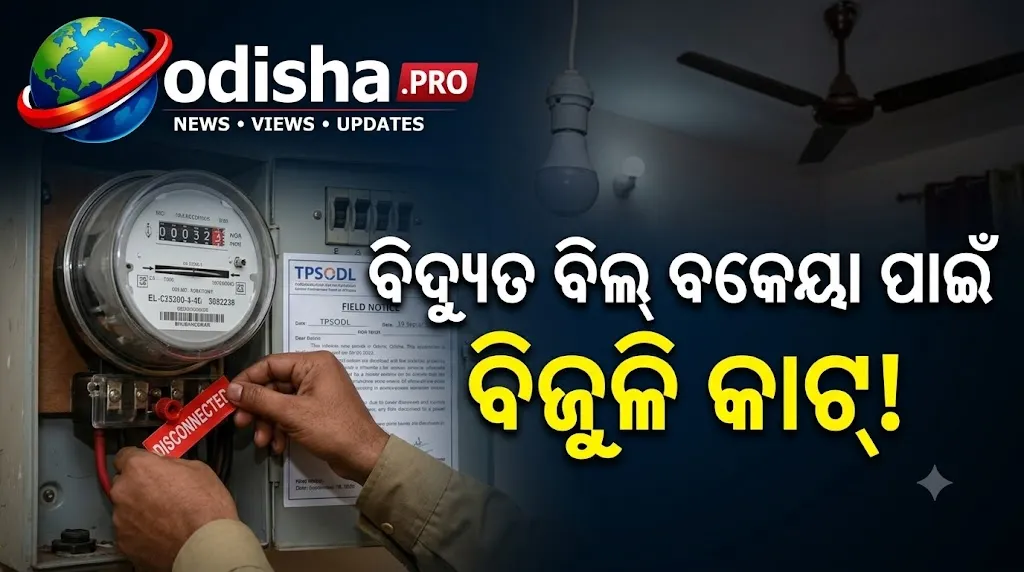
ପୁରୀ ଜିଲ୍ଲା ଡେଲାଙ୍ଗ ବ୍ଲକରେ ବିଦ୍ୟୁତ ବିଲ୍‌ ବକେୟ...
ଯଦି ଆପଣ ନୂଆ ପାସପୋର୍ଟ ପାଇଁ ଆବେଦନ କରିବାକୁ ଯାଉଛନ୍ତି,...