










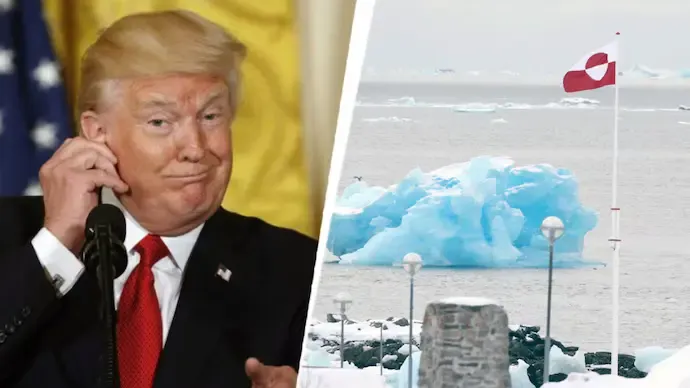
European troops have begun arriving in Greenland in a show of support for Denmark, even as the White House made clear that the deployments will not alter President Donald Trump’s determination to see the United States acquire the strategically important Arctic island.
The White House said talks between US officials and representatives from Denmark and Greenland were “productive,” but stressed that President Trump’s position remains unchanged. Press Secretary Karoline Leavitt said European troop movements had no influence on the president’s thinking, reiterating that Trump believes US ownership of Greenland is essential for national security.
Trump has repeatedly argued that Greenland’s strategic location and vast mineral resources make it critical for countering Russian and Chinese influence in the Arctic. He has also claimed that Denmark is unable to adequately defend the territory, a view strongly rejected by both Copenhagen and Greenland’s leadership. Trump has not ruled out the use of force, further escalating tensions.
The comments came as troops from several Nato countries — including France, Germany, the United Kingdom, Norway, Sweden and the Netherlands — arrived in Greenland following Denmark’s decision to reinforce its military presence. Although the deployments are limited in scale, they are intended to signal European unity and reassure Denmark amid mounting pressure from Washington.
Danish officials have downplayed any suggestion of ownership talks, describing discussions with the US as technical and focused on cooperation to address shared security concerns. Foreign Minister Lars Lokke Rasmussen said the aim was to manage disagreements through dialogue rather than changes in sovereignty.
Greenland’s leaders have also firmly rejected Trump’s stance. Prime Minister Jens-Frederik Nielsen said the island is not for sale and made clear that Greenland does not want to be governed by the United States, emphasizing that Arctic security should be handled through Nato cooperation, not territorial acquisition.
Despite ongoing dialogue, fundamental differences remain, leaving Greenland at the centre of a growing transatlantic dispute over security, sovereignty and influence in the rapidly changing Arctic region.
ବ୍ରହ୍ମପୁର ସହରରେ ପୁଣିଥରେ କୋଭିଡ୍ ସଂକ୍ରମଣ ଦେଖିବାକୁ ମି...
ଅନଲାଇନ୍ ସପିଂ ବର୍ତ୍ତମାନ ସମୟରେ ଦୈନନ୍ଦିନ ଜୀବନର ଏକ ଅଂଶ...
SCERT ପାଠ୍ୟପୁସ୍ତକରେ ତ୍ରୁଟି ଘଟଣାକୁ ନେଇ ଚାଲିଥିବା କ୍ର...

ହଲିଉଡ୍ ଚଳଚ୍ଚିତ୍ର‘Godzilla vs. Kong’ଏବଂ...

ଲୋକପ୍ରିୟ ଅଭିନେତ୍ରୀ ଜେନିଫର ୱିଙ୍ଗେଟ୍ ନିଜ ଜୀବନର ଏକ ନୂ...
ଓଡ଼ିଶାର ଆଦିବାସୀ ଅଞ୍ଚଳରେ ପୌଷ୍ଟିକ ସଙ୍କଟ ଗଭୀର ହେଉଥିବା...

ନିର୍ଦ୍ଦେଶକ ନୀତେଶ ତିୱାରୀଙ୍କ ବହୁ ପ୍ରତୀକ୍ଷିତ ଚଳଚ୍ଚିତ୍...
ବଲିଉଡ୍‌ର ‘ଶେହେନଶାହ’ ଅମିତାଭ ବଚ୍ଚନଙ...
APAAR (Automated Permanent Academic Account Regist...
ମାଓବାଦୀ ପ୍ରଭାବିତ ଅଞ୍ଚଳରୁ ଆସିଥିବା ଜଣେ ଆଦିବାସୀ ଛାତ୍ର...
୨୦୨୫-୨୬ ଶିକ୍ଷାବର୍ଷରେ ଓଡ଼ିଶାର ଏକକ-ଶିକ୍ଷକ ବିଦ୍ୟାଳୟ (...