

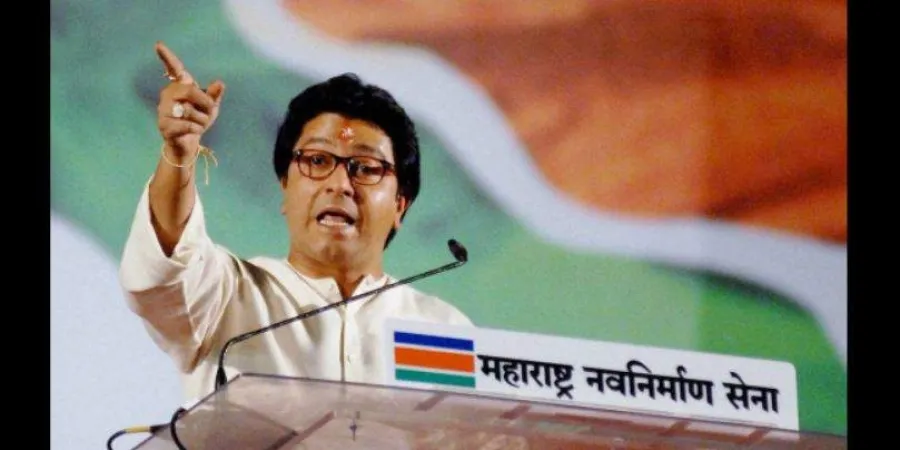
Last I checked, he had zero seats,” said Chetan Bhosale while sharing a clip of MNS chief Raj Thackeray’s racist rant against South Indians. Bhosale, a hardcore Mumbaikar who grew up in the city and now lives in New York, drew a sharp contrast between the two “sister cities.” In New York, belonging is not determined by language. People from across the world — Indians, Lebanese, Palestinians, Somalis — become New Yorkers simply by living and contributing to the city, without being forced to shed their accents, attire or identities.
Mumbai, however, cannot aspire to become a global city like Tokyo, London or New York as long as exclusionary rhetoric continues to shape its politics. The Maharashtra Navnirman Sena (MNS), despite its aggressive language politics, has little electoral relevance: zero seats in the Maharashtra Assembly, none in the Lok Sabha, a single seat in the BMC, and limited influence even in pockets like Kalyan-Dombivli. Yet its rhetoric continues to inflame social divisions.
Raj Thackeray, a cartoonist with artistic interests and a creative background, has repeatedly returned to linguistic anger as a political strategy. The insistence on testing migrants’ “belonging” through language fuels resentment and social friction, regardless of the party’s dwindling political clout.
This issue resurfaced months before the Assembly polls and has again gained attention with the BMC elections. Whether such rhetoric can revive the MNS remains uncertain, but its impact on social harmony is undeniable.
Assertions of Marathi identity are most often heard in Mumbai, given its prominence as a financial and cultural hub. Non-Marathi speakers have faced harassment on streets, trains and even flights. Viral incidents over the past year — from altercations on local trains to confrontations at public sites — highlight how language has become a flashpoint.
Yet for most Mumbaikars, this rhetoric feels outdated and disconnected from the city’s lived reality. Mumbai has thrived precisely because of migration and cultural diversity. Despite decades of political attempts to impose linguistic homogeneity, such efforts have found limited public support.
Indian states were reorganised on linguistic lines in 1956 to preserve cultural identity, but Mumbai’s modern identity is far more recent and complex. The city of seven islands was shaped by land reclamation under British rule, evolving into a space built by migrants from across India.
Veteran sociologists have long argued that language and identity are repeatedly mobilised for political gain. Before the MNS, the undivided Shiv Sena used similar tactics — first targeting South Indian migrants in the 1960s, then shifting focus to migrants from Uttar Pradesh and Bihar in later decades.
While migrants from Tamil Nadu, Kerala, UP and Bihar have often faced hostility, economically powerful communities such as Gujaratis and Marwadis have largely remained untouched by linguistic politics, despite having entire neighbourhoods where Marathi is not the dominant language. This selective targeting exposes the class and power dynamics underlying identity politics.
None of this diminishes the importance of Marathi language or culture. Marathi theatre, cinema, literature, festivals and institutions are integral to Mumbai and deserve protection and promotion. But safeguarding culture is very different from weaponising language for political mobilisation.
Mumbai does not need cultural policing. It needs better housing, safer public transport, effective flood control and inclusive governance — issues that affect all residents, regardless of the language they speak.
Mumbai belongs equally to the Marathi Manoos and to migrants from Uttar Pradesh, Bihar, Tamil Nadu, Kerala and beyond — all of whom have built the city together. If political leaders genuinely wish to uplift Maharashtrians, the solutions lie in governance and opportunity, not compulsory language tests.
As veteran journalist and former Rajya Sabha member Kumar Ketkar notes, linguistic politics may appeal to a small section, but far larger civic issues dominate the BMC elections. Mumbai’s defining trait has always been its ability to absorb differences and transform them into shared strength — a quality that remains its greatest asset today.

ୟୁରୋପରେ ୨୦୨୬ର ଗ୍ରୀଷ୍ମ ଅସହ୍ୟ ଗରମର ଏକ ଭୟାବହ ଚିତ୍ର ସା...

ଆମେରିକା-ଇରାନ ମଧ୍ୟରେ ତିକ୍ତତା ପୁଣି ବଢ଼ିବାର ସଙ୍କେତ ମି...

ଆମେରିକା ରାଷ୍ଟ୍ରପତି ଡୋନାଲ୍ଡ ଟ୍ରମ୍ପ ପୁଣିଥରେ ଭାରତ-ପାକ...

ବିଦେଶରେ ପଢ଼ିବା ନେଇ ଭାରତୀୟ ଛାତ୍ରଛାତ୍ରୀଙ୍କ ଚିନ୍ତାଧାର...
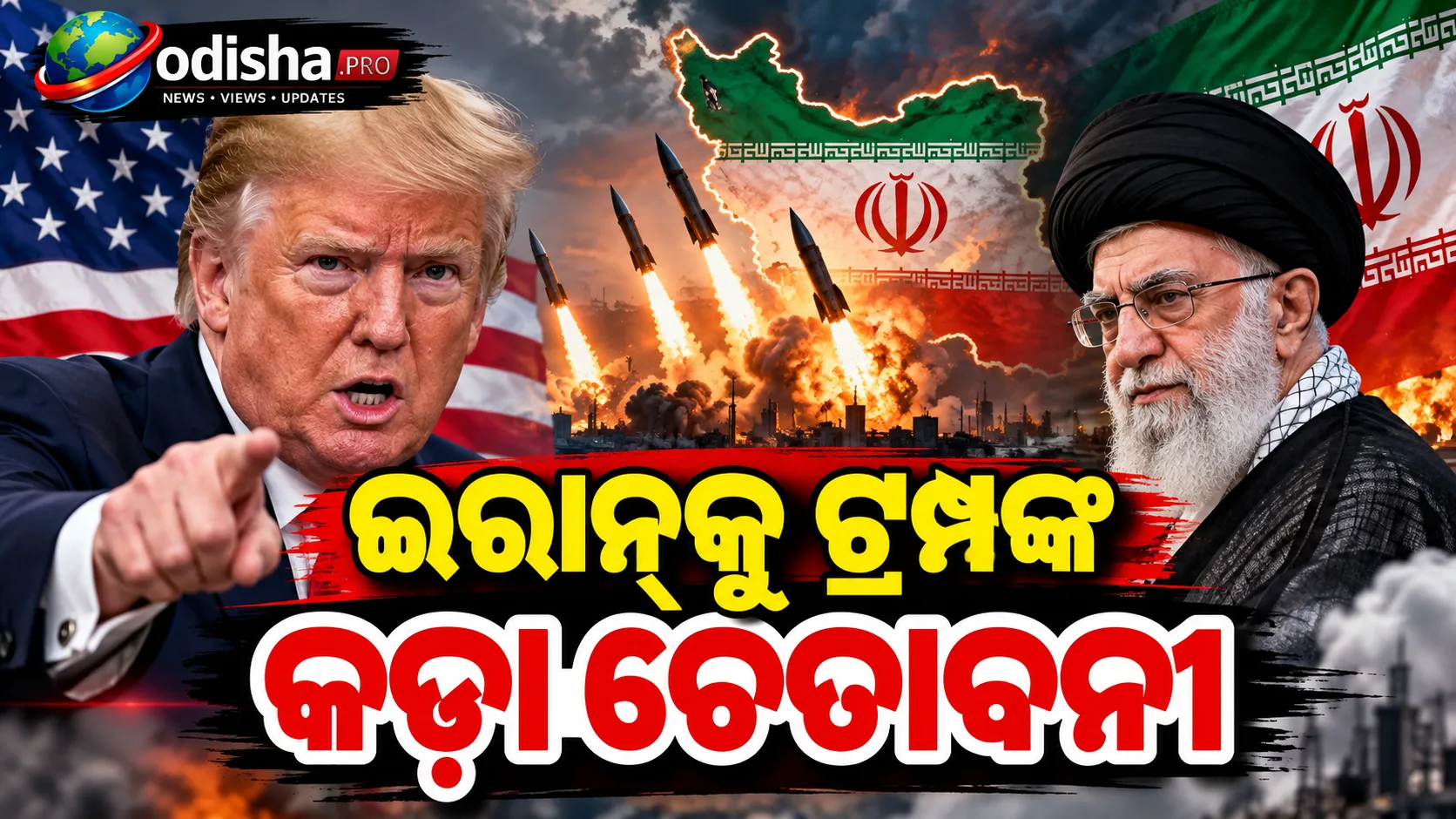
ଇରାନକୁ ନେଇ ଆମେରିକାର ଆଭିମୁଖ୍ୟ ପୁଣିଥରେ କଡ଼ା ହୋଇଛି। ଆ...
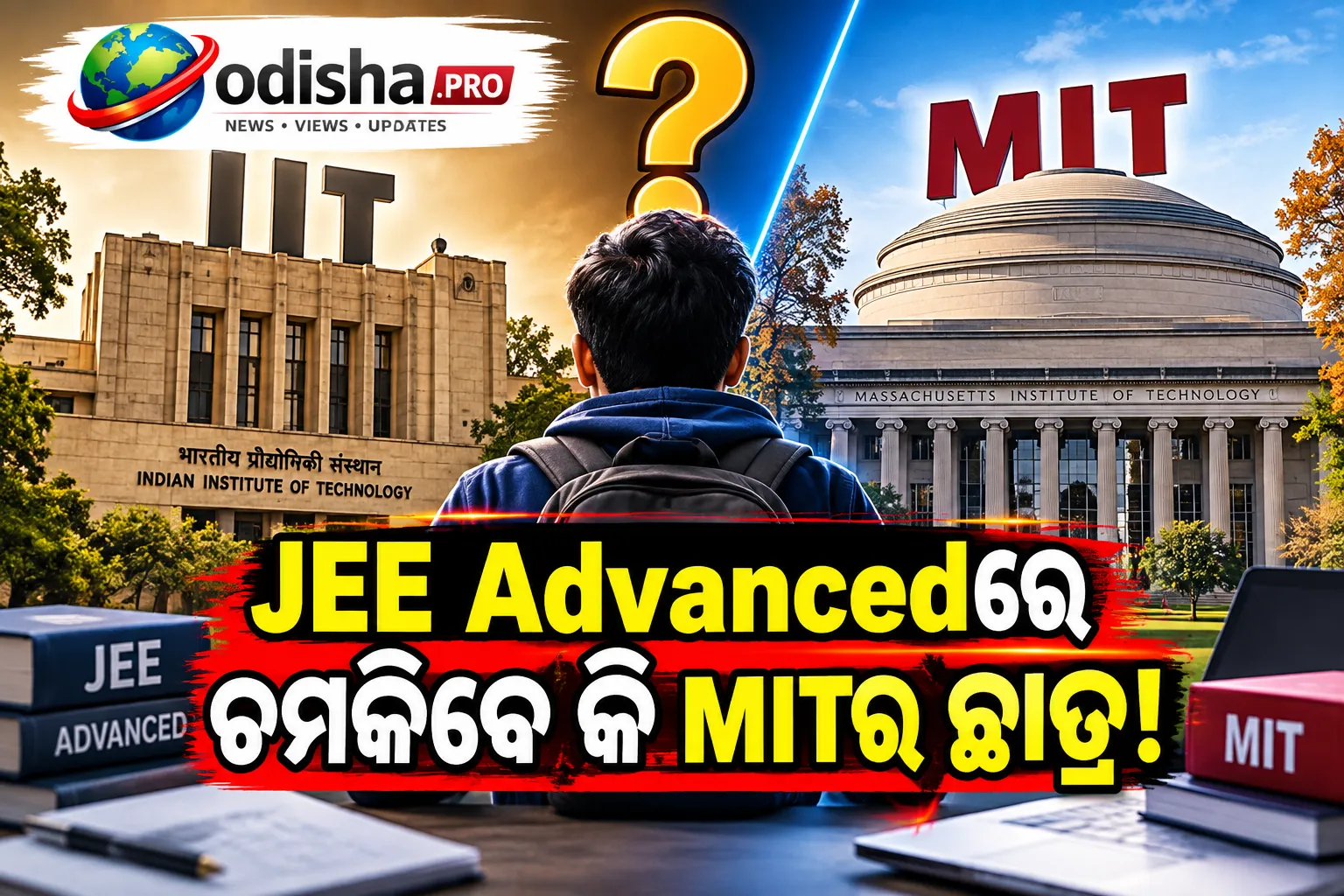
MIT ଓ IITକୁ ନେଇ ଏକ ଚର୍ଚ୍ଚା ପୁଣି ସାମ୍ନାକୁ ଆସିଛି&mda...

CAT 2026 ପାଇଁ ପ୍ରସ୍ତୁତି ନେଉଥିବା MBA ଆଶାୟୀଙ୍କ ପାଇଁ...

ହିମାଚଳ ପ୍ରଦେଶର ଛାତ୍ରଛାତ୍ରୀ ଏବଂ ମେଡିକାଲ...
