







As India celebrates Makar Sankranti on Wednesday, the festival will be marked by persistent cold wave conditions and widespread fog across large parts of northern India, even as weather experts point to the early signs of winter’s gradual retreat.
Traditionally, Makar Sankranti signals the end of peak winter, coinciding with the Sun’s northward movement. This year, however, the transition is expected to be slow. While temperatures may begin to rise slightly after the next couple of nights, offering marginal relief from the ongoing cold wave, fog is likely to continue disrupting morning hours.
“There will be no major change in weather conditions on January 14. Fog, lingering cold wave conditions and limited cloud activity will remain the dominant features,” said Devendra Tripathi, founder of Mausam Tak.
In the mountainous regions of North India, including the Western Himalayas, partly cloudy conditions are expected on Sankranti day and through the night. A fresh western disturbance is forecast to arrive on January 15, triggering a series of systems that could bring significant snowfall to higher reaches between January 15 and January 30. However, this activity is not expected to impact Sankranti day.
Across the plains, fog will be the primary weather concern during the morning hours. Moderate to dense fog is likely at several places in Punjab and northern Haryana, including Karnal, Ambala, Panchkula and Chandigarh. Similar conditions are expected in parts of northern Rajasthan and north-western Uttar Pradesh, covering areas such as Bareilly, Shahjahanpur, Pilibhit, Moradabad, Rampur, Saharanpur, Najibabad, Gautam Budh Nagar and Bulandshahr. Visibility is expected to improve by late morning, with fog clearing around 10–11 am.
Major cities including Delhi, Jaipur, Bhopal, Lucknow, Patna and Ranchi are unlikely to experience very dense fog, though brief spells of shallow fog cannot be ruled out. Localised fog may also affect Gwalior, Bharatpur and Agra.
In southern India, light rainfall is forecast along the coastal regions of Tamil Nadu, with very light showers possible over coastal Kerala, coastal Karnataka, south-central Maharashtra and parts of coastal Maharashtra. No significant weather changes are expected elsewhere.
North-westerly winds will continue to prevail across large parts of northern, central and eastern India, including Rajasthan, Punjab, Haryana, Uttar Pradesh, Madhya Pradesh, Odisha, Chhattisgarh, Jharkhand and Bihar. These winds are likely to sustain cold conditions during nights and early mornings, while allowing for relatively pleasant daytime weather.
Although Makar Sankranti arrives with winter still firmly in place, the gradual rise in temperatures expected after midweek suggests that the harshest phase of the cold wave may soon ease — even as fog continues to define winter mornings.
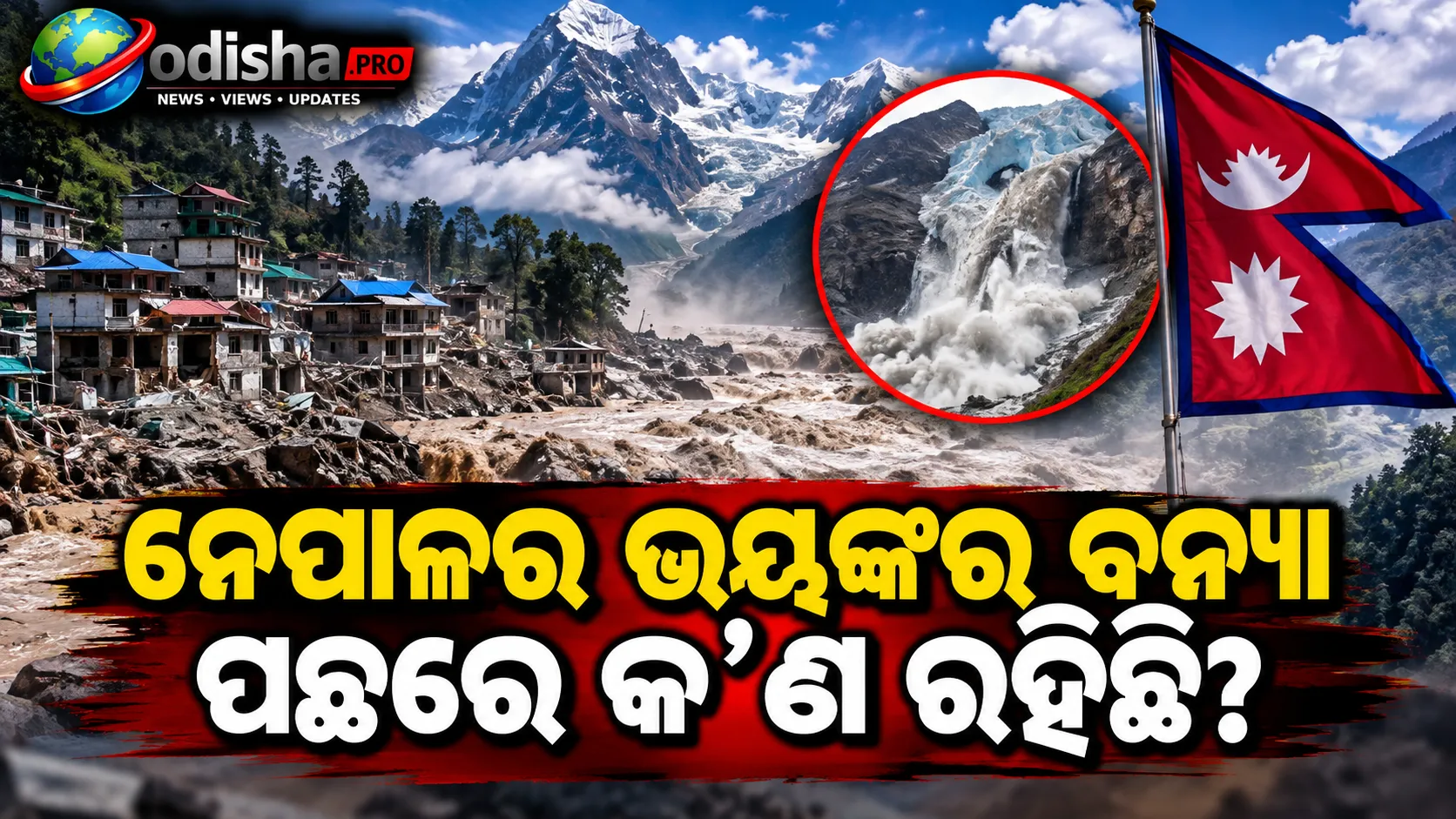
ଅଗଷ୍ଟ ୨୬ରେ ନେପାଳ-ଚୀନ୍ ସୀମା ନିକଟ ହିମାଳୟ ଅଞ୍ଚଳରେ ଘଟି...
ନ୍ୟାସନାଲ୍ ଆୱାର୍ଡ ବିଜେତା ଫିଲ୍ମ ନିର୍ଦ୍ଦେଶକ ତଥା **Fil...

ପ୍ଲାଷ୍ଟିକ୍ ବୋତଲରେ ଘର!ଶୁଣିବାକୁ ଅଜବ ଲାଗିଲେ ମଧ୍ୟ ବାଂଲ...

ପାକିସ୍ତାନରେ ଇନ୍ଧନ ଓ ଅନ୍ତର୍ଜାତୀୟ ତୈଳ ମୂଲ୍ୟକୁ ନେଇ ଚା...
‘କଚ୍ଚା ବାଦାମ’ ରିଲ୍‌ ଜରିଆରେ ଲୋକପ୍ର...
‘Hanuman Ansh’ବକ୍ସ ଅଫିସ୍ରେ ଲଗାତାର ଚମକ...
ଅଭିନେତାରୁ ରାଜନେତା ଏବଂ ପରେ ତାମିଲନାଡୁର ମୁଖ୍ୟମନ୍ତ୍ରୀ...

ରୁଷରୁ ତେଲ ଓ ଅନ୍ୟ ଶକ୍ତି ଉତ୍ପାଦ କିଣୁଥିବା ଦେଶଗୁଡ଼ିକ ଉ...
