









In a landmark ruling with far-reaching implications for foreign investors, the Supreme Court has held that capital gains arising from Tiger Global’s $1.6 billion sale of its stake in Flipkart to Walmart are taxable in India. The verdict marks a significant victory for Indian tax authorities and brings closure to a long-running dispute over the use of international tax treaties.
The apex court ruled that Tiger Global is not entitled to claim tax exemption under the India–Mauritius Double Taxation Avoidance Agreement (DTAA). Upholding the Income Tax Department’s position, the court found that the transaction structure was designed primarily to avoid tax liability in India.
The bench observed that the share sale arrangement between Tiger Global and Walmart amounted to a tax-avoidance scheme and therefore could not enjoy treaty protection.
The Supreme Court unequivocally stated that capital gains arising from the 2018 transaction are taxable in India. It emphasised that the right to tax income generated within a country’s jurisdiction is an inherent aspect of national sovereignty.
By rejecting Tiger Global’s argument that the gains should be taxed outside India, the court confirmed the fund’s tax liability on profits from the Flipkart stake sale.
The ruling is widely seen as a major boost for India’s revenue department. It reinforces the government’s stance on taxing cross-border transactions where the underlying economic activity and value creation occur in India.
Tax officials have long maintained that treaty benefits should not be misused to sidestep legitimate tax obligations, particularly in high-value deals involving Indian companies. Legal experts say the judgment sets an important precedent and could influence how foreign investors structure future investments and exits from Indian assets.
The verdict was delivered by a bench comprising Justices J.B. Pardiwala and R. Mahadevan. A detailed order is awaited.
ଭାରତୀୟ କ୍ରିକେଟ୍‌ରେ ଏକ ଖେଳାଳିଙ୍କୁ ନେଇ ଦୁଇଟି ଦଳ...
ଭାରତୀୟ କ୍ରିକେଟ୍‌ରେ ଅମ୍ପାୟାର ଓ ମ୍ୟାଚ୍ ରେଫରିଙ୍କ...
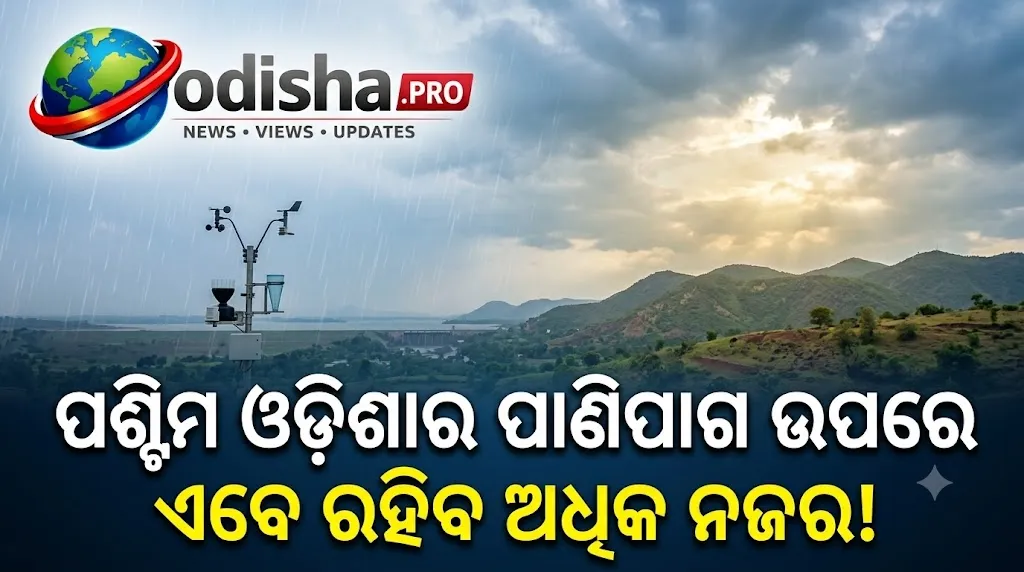
ପଶ୍ଚିମ ଓଡ଼ିଶାର ପାଣିପାଗ ପୂର୍ବାନୁମାନ ବ୍ୟବସ୍ଥାକୁ ମିଳି...
ନୂଆଦିଲ୍ଲୀ: ଭାରତୀୟ କ୍ରିକେଟ୍‌ରେ ଯୋଡ଼ି ହେବାକୁ ଯା...

ଡେଙ୍ଗୁ ବିରୋଧରେ ଭାରତର ଟିକାକରଣ ପ୍ରୟାସରେ ଏକ ନୂଆ ଅଧ୍ୟା...
ଆଣ୍ଡାମାନ ସାଗରରେ ନୂଆ ପାଣିପାଗ ପ୍ରଣାଳୀ ଗଠନକୁ ନେଇ ଓଡ଼ି...
୨୦୨୬ର ପୋଷ୍ଟ-ମୌସୁମୀ ଋତୁକୁ ନେଇ ବାତ୍ୟା କାର୍ଯ୍ୟକଳାପର ଏ...

ଭାରତରେBreast Cancer ବା ସ୍ତନ କର୍କଟଏକ ଗୁରୁତର ସ୍ୱାସ୍ଥ...
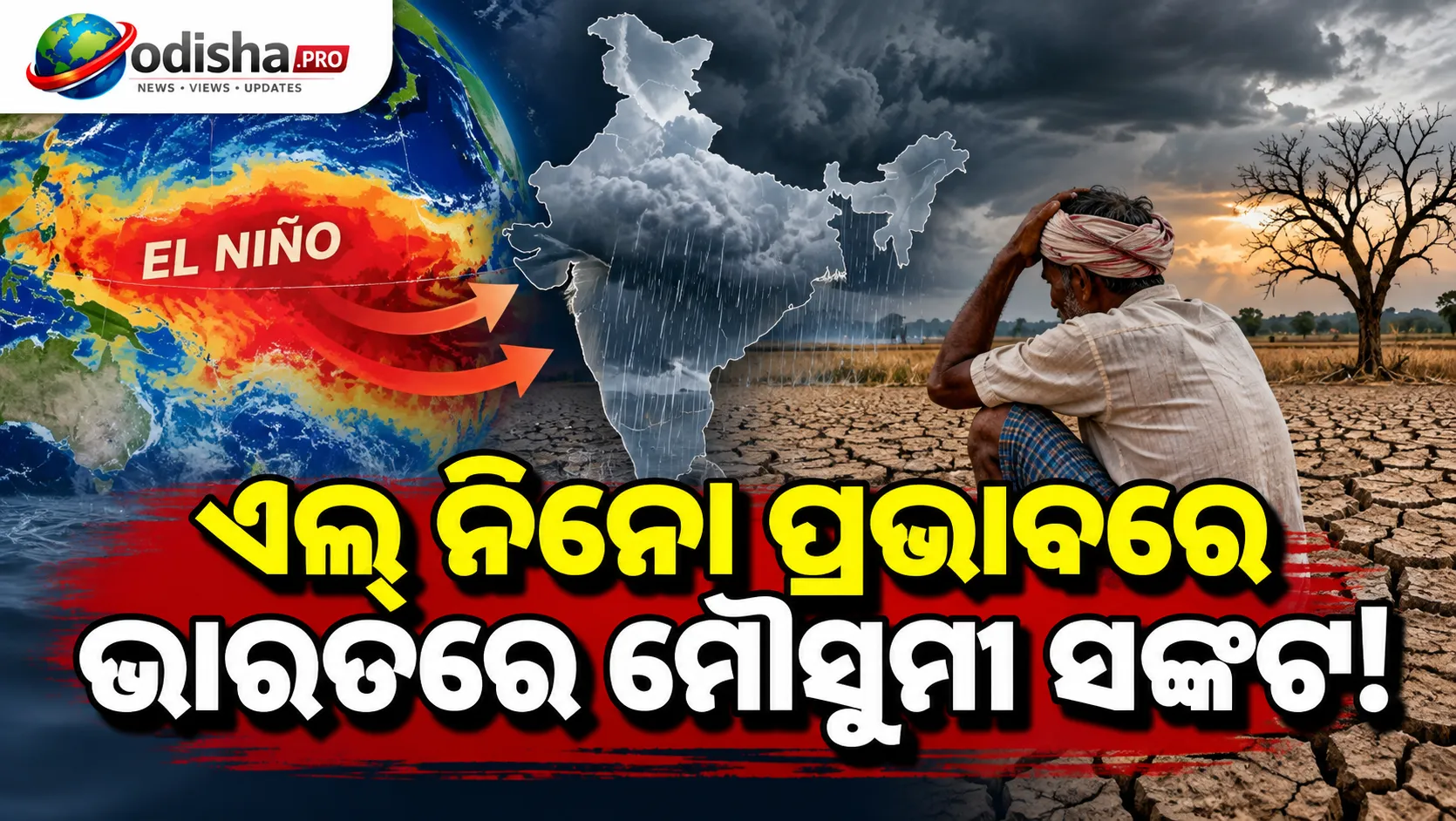
ଭାରତ ଏଥର ଦୀର୍ଘ ସମୟ ପରେ ଏକ ଦୁର୍ବଳ ମୌସୁମୀ ଋତୁର ସାମ୍ନ...
ଜାପାନରେ ଚାଲିଥିବା ୨୦୨୬ ଏସୀୟ କ୍ରୀଡ଼ାରେ ଆୟୋଜକଙ୍କ ଏକ ଭ...

ଭାରତରେ ଡେଙ୍ଗୁ ବିରୋଧରେ ଲଢ଼େଇକୁ ଆହୁରି ମଜବୁତ କରିବା ପା...

ଭାରତର ଖାଦ୍ୟ ନିୟାମକFood Safety and Standards Author...