


Elon Musk’s recent claim that medical school is"pointless"because AI-powered robots will outperform surgeons within three years has sparked a massive global debate. While Musk envisions a future of "superhuman" precision, medical experts and bioethicists argue that his timeline ignores the fundamental "big truth" of healthcare:medicine is as much about human responsibility as it is about technical execution.
The following modified version refines the argument into a structured critique of Musk’s vision versus the clinical reality of 2026.
Elon Musk’s latest provocation on theMoonshotspodcast has set the internet ablaze. By declaring medical degrees obsolete, he isn't just predicting a technological shift—he is challenging the very definition of a doctor.
Musk’s argument for 2026 and beyond is based on three perceived failures of the current system:
Medical experts, includingProfessor Arthur Caplan, argue that Musk confuses "performing a task" with "practicing medicine."
Judgement Under Uncertainty:Surgery is often "the art of the audible." No two human anatomies are identical, and complications are rarely predictable.
This is the "black hole" in Musk’s vision. In a system where the machine is the primary actor, the legal and ethical framework collapses:
Who Answers for the Error?If a fully autonomous robot causes a fatality, is the liability held by the hospital, the software developer, or the hardware manufacturer?
The Human Safeguard:Current systems likeda Vinciareaugmentative, not autonomous. The human surgeon remains the "moral anchor" who carries the legal responsibility and comforts the family.
The real future of 2026 isn't the death of the doctor, but the evolution of the degree. Medical schools are transitioning from teaching manual dexterity to teachingsystem management:
Hybrid Surgeons:Future doctors will act as "pilots" for intelligent machines, interpreting AI diagnostics and stepping in when the "autopilot" encounters biological variability.
Human-Centric Care:Machines cannot explain a terminal diagnosis, navigate complex bioethical dilemmas, or provide the empathy that is a documented component of the healing process.

ନୂଆଦିଲ୍ଲୀ: ନ୍ୟାୟିକ ହେପାଜତରୁ ମୁକ୍ତି ପାଇବାର ଦିନକ ପରେ...

ନୂଆଦିଲ୍ଲୀ: ଜାତିସଂଘର ଜଣେ Special Rapporteurଙ୍କ ଆତଙ୍...

ୱାଶିଂଟନ୍: ସୋସିଆଲ ମିଡିଆରେ ଭାରତୀୟ, ଦକ୍ଷିଣ ଏସୀୟ ଏବଂ ହ...

କ୍ୟାନସର ଔଷଧର ଅଧିକ ଟ୍ରେଡ୍ ମାର୍ଜିନ୍କୁ ନିୟନ୍ତ୍ରଣ କରିବ...
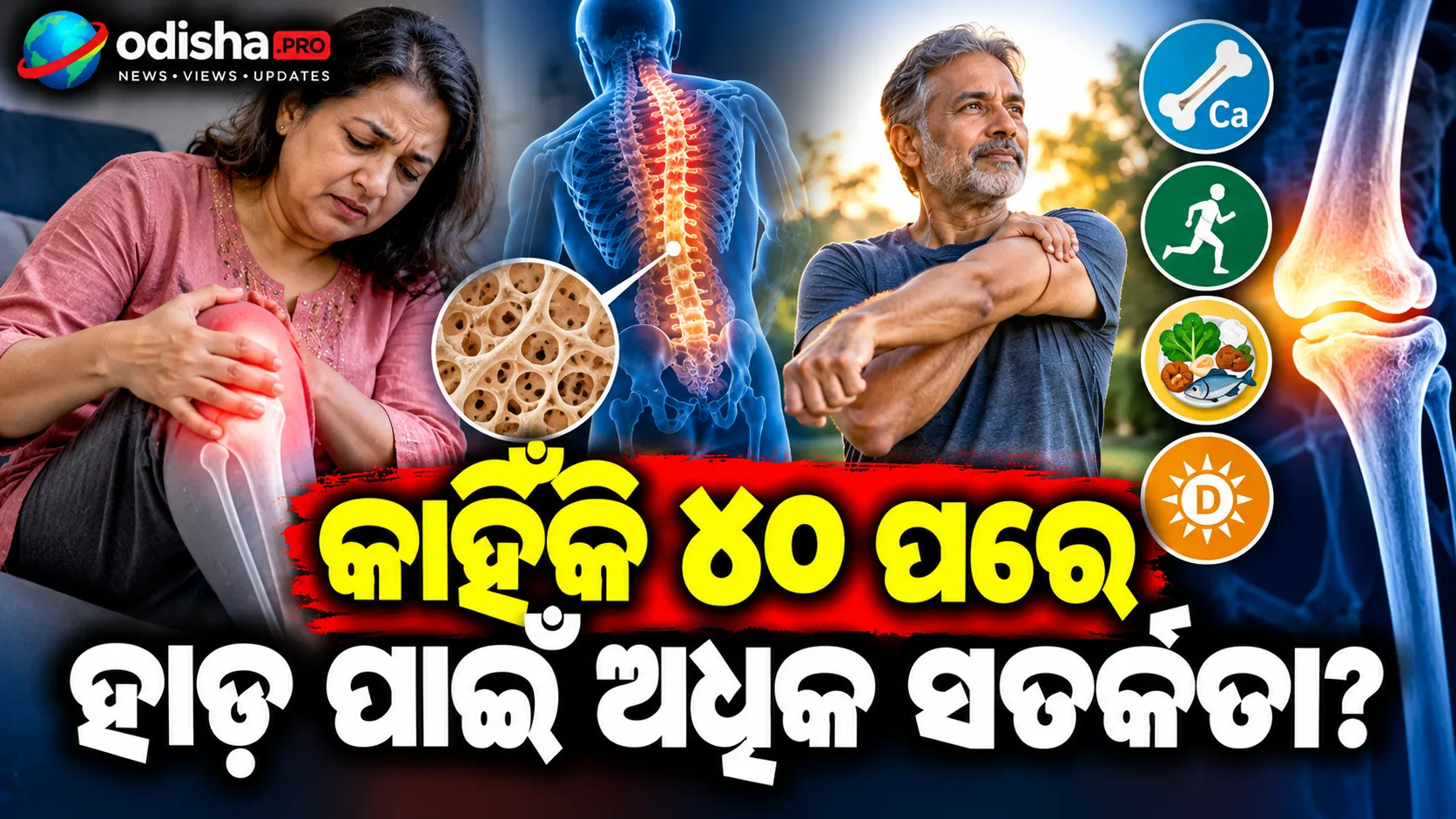
କାହିଁକି ୪୦ ପରେ ହାଡ଼ ପାଇଁ ଅଧିକ ସତର୍କତା? ହାଡ଼ ଏକ...

ନୂଆଦିଲ୍ଲୀ: ମୁଖ୍ୟ ନିର୍ବାଚନ କମିଶନର (CEC) ଜ୍ଞାନେଶ କୁମ...