










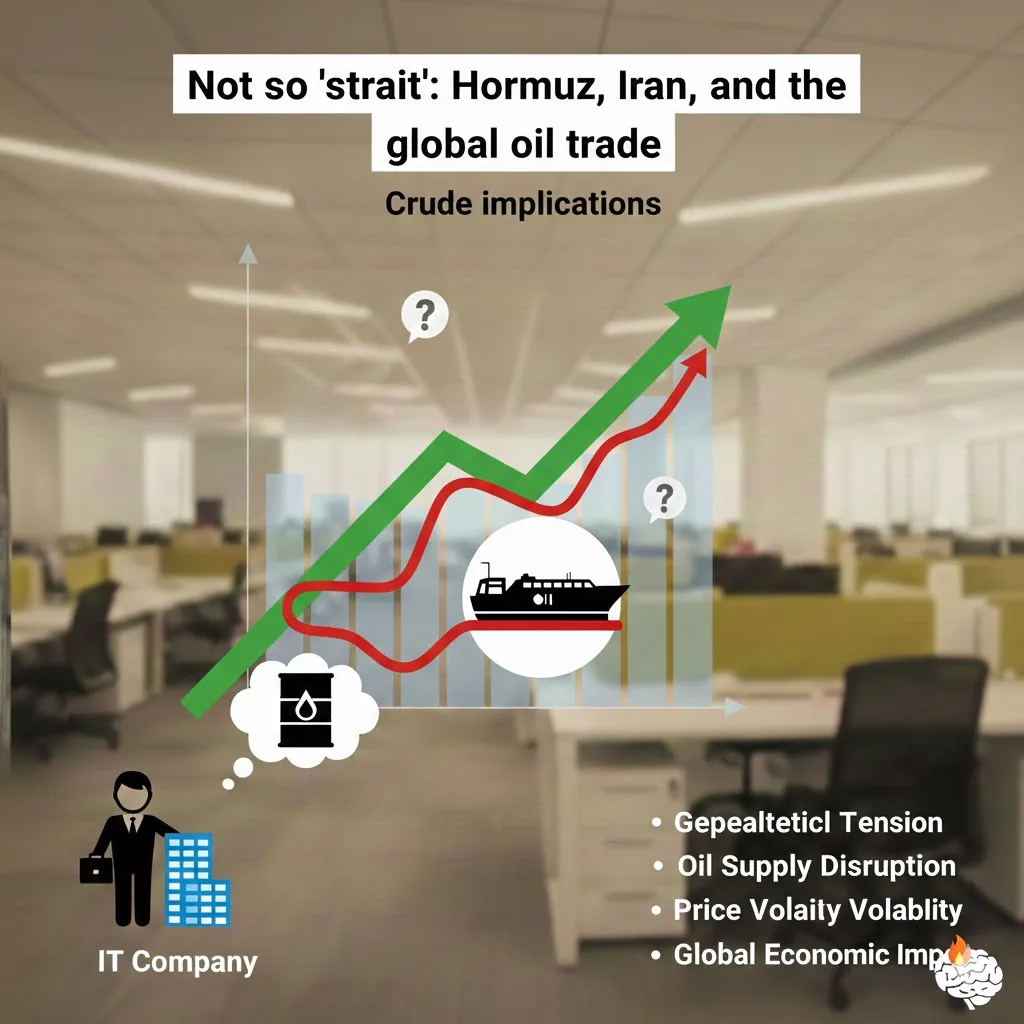
Crude oil prices dropped more than 3% on January 15 after US President Donald Trump signaled a softer stance on Iran, following assurances regarding the killing of Iranian protesters. The sharp price reactions to US-Iran tensions are largely due to the Strait of Hormuz, a narrow but strategically vital waterway between Oman and Iran.
According to the US Energy Information Administration, about 20 million barrels of oil pass through the strait daily, representing roughly one-fifth of global oil consumption. Nearly 20% of the world’s liquefied natural gas trade also transits this route. Of the 20 million barrels, only 2.6 million barrels per day can be transported via existing pipelines, leaving around 87% entirely dependent on the strait.
Approximately 84% of the crude oil and condensate moving through the strait is destined for Asian markets. China, India, Japan, and South Korea alone account for 69% of this flow, while non-Asian markets make up just 16%.
The strait’s strategic importance often causes oil prices to spike during geopolitical tensions. On June 12–13, 2025, Israel’s attack on Iran pushed Brent crude from $69 to $74 per barrel — a 7% jump in a single day — even though flows were uninterrupted. Ten days later, a US strike on Iran’s nuclear facilities, followed by Iran’s warning to deploy naval mines, pushed Brent crude to around $81 per barrel.
This volatility highlights how heavily global oil markets depend on the Strait of Hormuz and the region’s geopolitical stability.
ବଢ଼ୁଥିବା ଖାଦ୍ୟଦ୍ରବ୍ୟ ଦରକୁ ନେଇ କଂଗ୍ରେସ ନେତା ଜୟରାମ ର...
ଜାପାନରେ ଚାଲିଥିବା ୨୦୨୬ ଏସୀୟ କ୍ରୀଡ଼ାରେ ଆୟୋଜକଙ୍କ ଏକ ଭ...
ଡେଙ୍ଗୁ ବିରୋଧରେ ଭାରତର ଟିକାକରଣ ପ୍ରୟାସରେ ଏକ ନୂଆ ଅଧ୍ୟା...
ନୂଆଦିଲ୍ଲୀ: ଭାରତୀୟ କ୍ରିକେଟ୍‌ରେ ଯୋଡ଼ି ହେବାକୁ ଯା...

କେରଳରେ ମନ୍ତ୍ରୀଙ୍କ ସରକାରୀ ଯାତ୍ରା ପାଇଁ ବ୍ୟକ୍ତିଗତ Ran...

ପଶ୍ଚିମବଙ୍ଗର ରେଜିନଗର ଉପନିର୍ବାଚନକୁ ନେଇ ଶନିବାର ମମତା ବ...

ଓଡ଼ିଶା ବିଧାନସଭାର ମୌସୁମୀ ଅଧିବେଶନ ଆସନ୍ତା ସେପ୍ଟେମ୍ବର...
ଭାରତୀୟ କ୍ରିକେଟ୍‌ରେ ଏକ ଖେଳାଳିଙ୍କୁ ନେଇ ଦୁଇଟି ଦଳ...
ଭାରତରେBreast Cancer ବା ସ୍ତନ କର୍କଟଏକ ଗୁରୁତର ସ୍ୱାସ୍ଥ...
ଭାରତୀୟ କ୍ରିକେଟ୍‌ରେ ଅମ୍ପାୟାର ଓ ମ୍ୟାଚ୍ ରେଫରିଙ୍କ...
ଭାରତର ଖାଦ୍ୟ ନିୟାମକFood Safety and Standards Author...
ଭାରତରେ ଡେଙ୍ଗୁ ବିରୋଧରେ ଲଢ଼େଇକୁ ଆହୁରି ମଜବୁତ କରିବା ପା...