




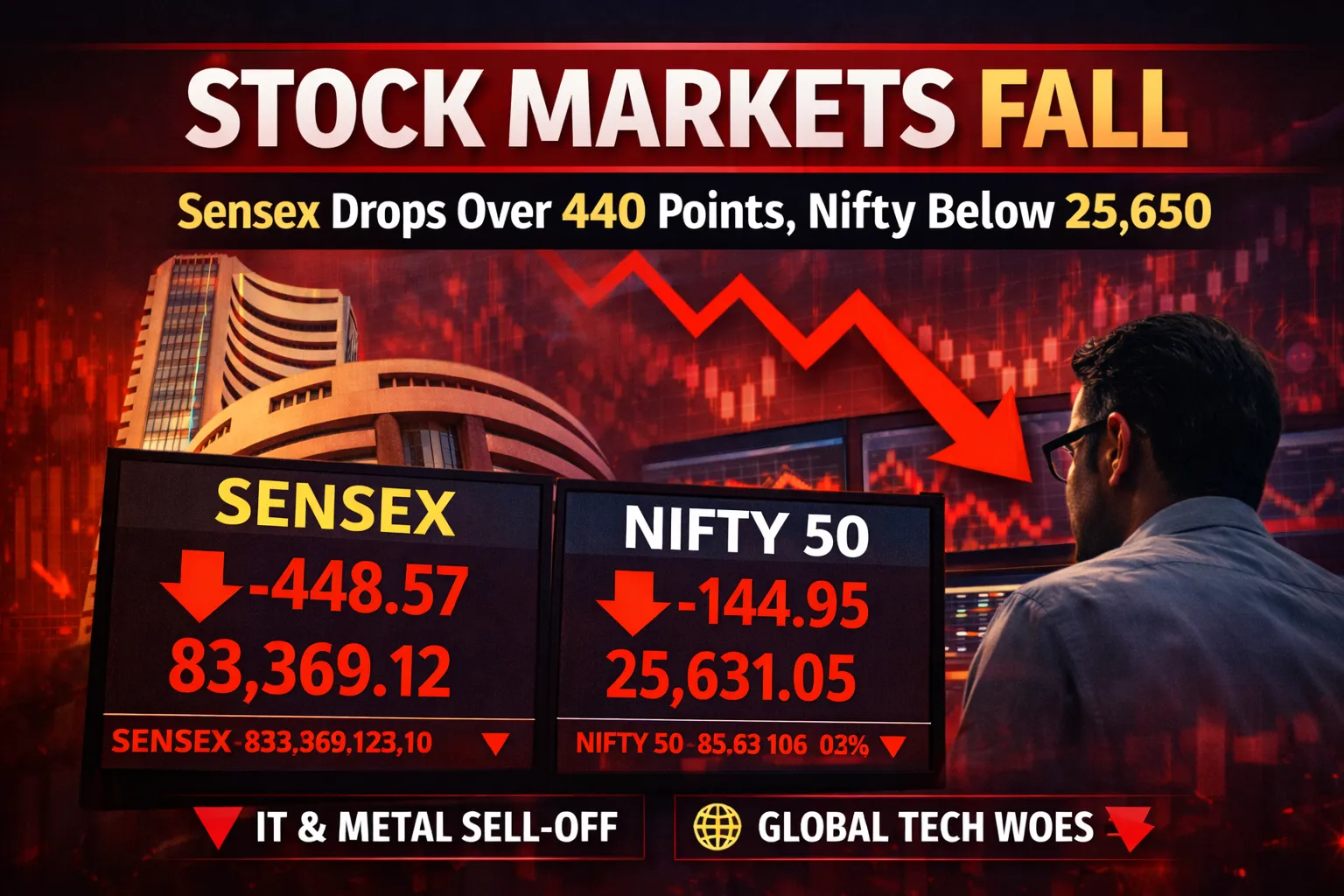
Dalal Street took a breather on Thursday after a sharp three-day rally that followed the announcement of the India-US trade deal. Early trade saw widespread selling across sectors, pushing benchmark indices lower as investors booked profits amid weak global cues.
At around 10 am, the S&P BSE Sensex was down 448 points, while the NSE Nifty50 slipped below the 25,650 mark, falling nearly half a percent. The decline reflected a pause in momentum after the recent recovery driven by optimism over trade and foreign inflows.
In early trade, Hindustan Unilever led the Sensex gainers, followed by Trent, NTPC, SBI, and Infosys. On the downside, InterGlobe Aviation, Bharat Electronics, Eternal, Asian Paints, and Axis Bank faced notable selling pressure.
Market sentiment remained cautious following a sharp sell-off in global technology stocks. Indian IT shares had fallen nearly 6% in the previous session, their steepest single-day decline in almost six years, amid concerns over high valuations and disruption from artificial intelligence. Weak earnings guidance from US chipmaker AMD and declines in Nvidia and other semiconductor stocks added to the pressure.
The weakness was broad-based, with midcap and smallcap indices underperforming large caps. Most sectoral indices traded in the red, led by metals, auto, realty, and consumer durables, while FMCG and PSU banks showed relative resilience.
IT stocks showed mixed trends on Thursday, suggesting that panic selling had eased but caution remained. Market experts said the recent correction does not signal deeper trouble but reflects short-term volatility driven by global cues, valuation concerns, and rapid technological changes. Analysts advise investors to stay selective and focus on long-term fundamentals rather than reacting to near-term market swings.
କଟକ-ଭୁବନେଶ୍ୱର କମିଶନରେଟ୍ ପୋଲିସ ଅଧୀନରେ ଡ୍ୟୁଟି କରୁଥିବ...
ଓଡ଼ିଆ ପ୍ରତିଭାଙ୍କୁ ରାଇନାଙ୍କ ସମର୍ଥନ ରାଇନା କହିଛନ୍ତ...
ବଙ୍ଗୋପସାଗରରେ ପାଣିପାଗର ପରିବର୍ତ୍ତନ ମଧ୍ୟରେ ଓଡ଼ିଶା ଉପକ...
ଦିଲ୍ଲୀର ନୂଆଦିଲ୍ଲୀ ବିଧାନସଭା ନିର୍ବାଚନମଣ୍ଡଳୀ AC-40ରେ...

ଚେନ୍ନାଇ: ତାମିଲନାଡୁର TASMAC ରିଟେଲ୍‌ ମଦ ଦୋକାନର...
ଓଡ଼ିଆ ଜାତିର ଆତ୍ମା ଭାବେ ପରିଚିତ ମହାପ୍ରଭୁ ଶ୍ରୀଜଗନ୍ନାଥଙ...
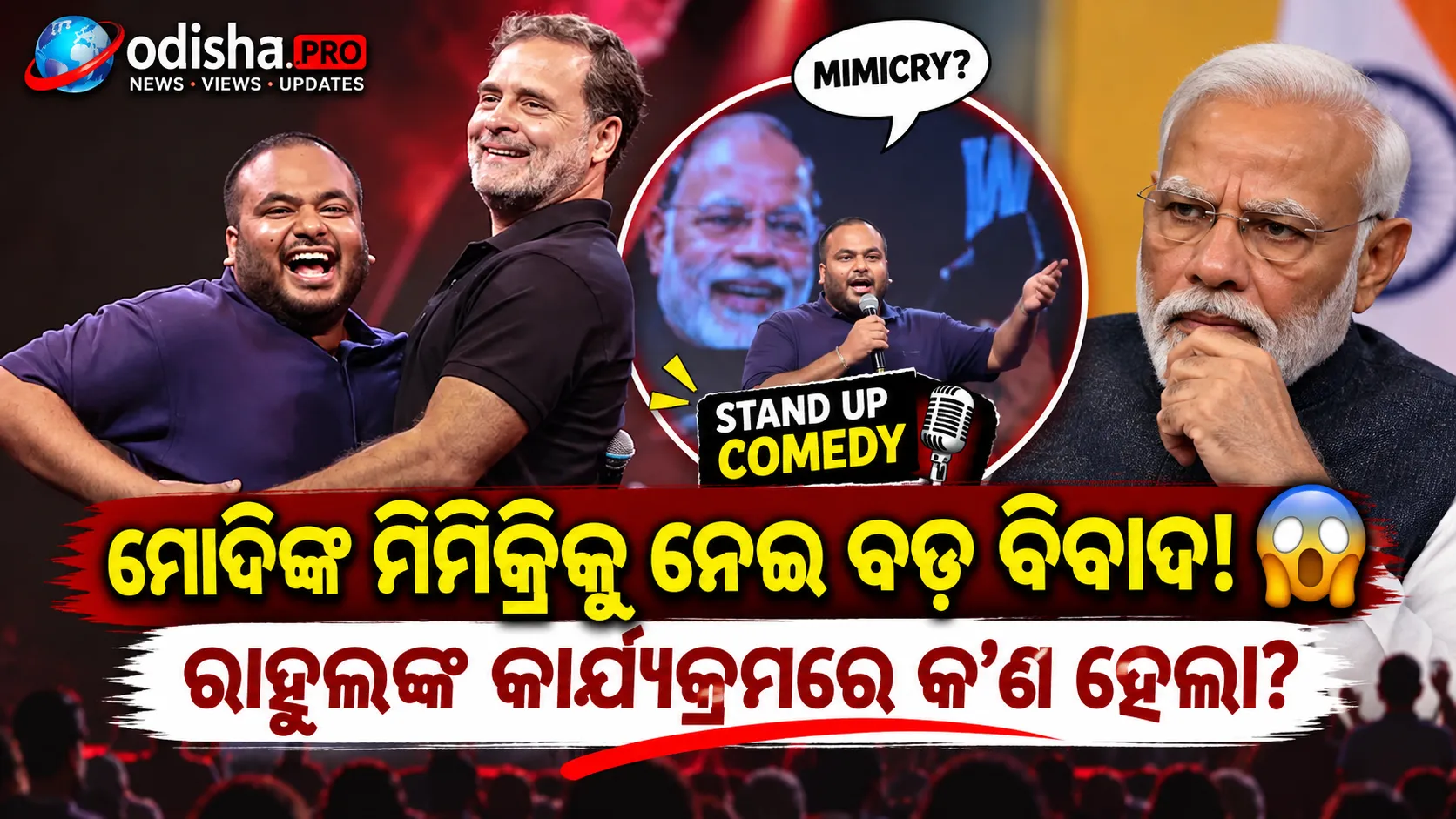
ଇନ୍ଦୋର: ରାହୁଲ ଗାନ୍ଧୀଙ୍କ ‘ଛାତ୍ରୋଁ କି ଗୁଞ୍ଜ&rs...
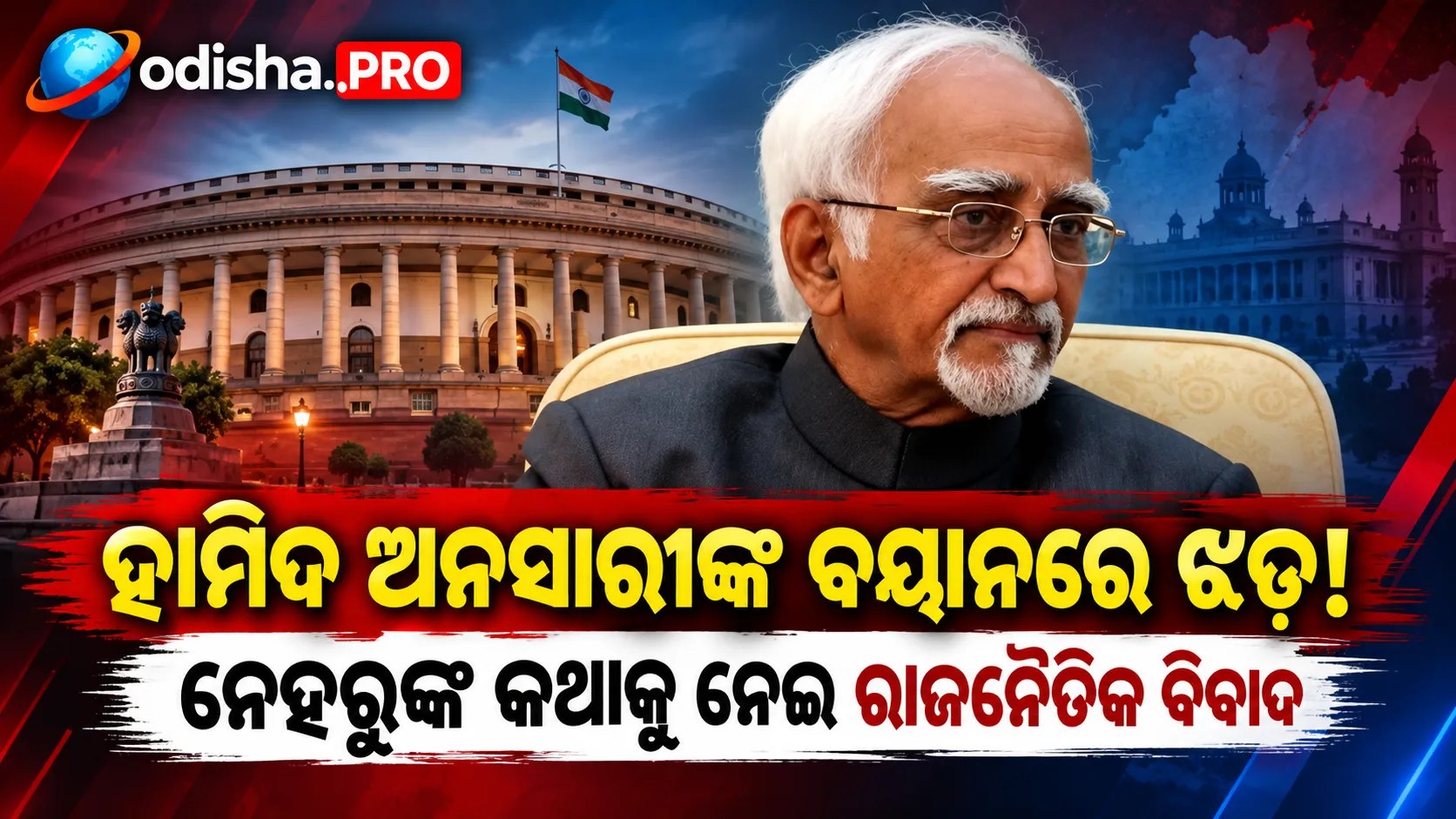
ନୂଆଦିଲ୍ଲୀର India Islamic Cultural Centreରେ ସେପ୍ଟେମ...