



India’s role in Bangladesh’s 1971 liberation and its post-independence recovery is widely acknowledged, but New Delhi’s long-term support extended far beyond diplomacy and humanitarian aid. India backed Bangladesh’s reconstruction with massive financial assistance, concessional credit, power supply, and a deeply integrated textile supply chain that helped transform the country into a global garments powerhouse.
For decades, India supplied the bulk of Bangladesh’s cotton yarn, raw materials, logistics access, and electricity—critical inputs that powered the ready-made garment (RMG) sector, which today accounts for over 80% of Bangladesh’s exports and employs millions. Duty-free access under SAFTA and transshipment through Indian ports further strengthened this partnership.
However, relations have frayed following the fall of the Sheikh Hasina government in August 2024. Political instability, anti-India narratives, border tensions, and Dhaka’s growing proximity to China and Pakistan have strained ties. Bangladesh’s textile sector is now under severe stress, facing falling growth, mill closures, gas shortages, unpaid power dues, and threats of nationwide shutdowns.
Amid this turmoil, the proposed India–EU Free Trade Agreement could reshape global textile competition. The deal is expected to eliminate tariffs of up to 12% on Indian garment exports to Europe, placing them in direct competition with Bangladeshi products. As Bangladesh prepares to graduate from Least Developed Country (LDC) status in 2026—potentially losing duty-free EU access—the advantage it long enjoyed may erode.
Ironically, the very textile ecosystem India helped build in Bangladesh may now face stiff competition from Indian exporters in Europe, marking a dramatic shift from cooperation to rivalry in one of South Asia’s most critical industries.
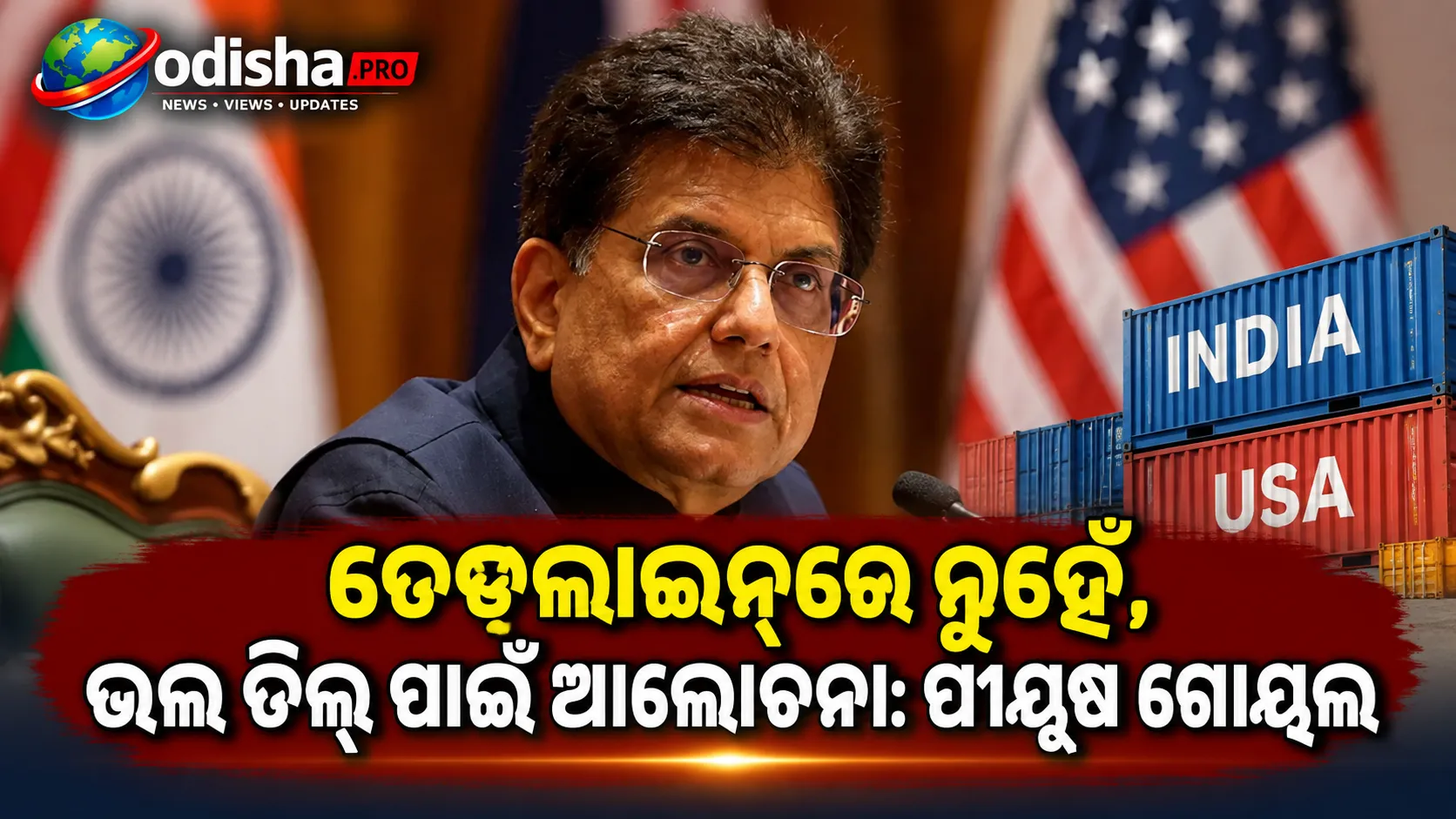
କେନ୍ଦ୍ର ବାଣିଜ୍ୟ ଓ ଶିଳ୍ପ ମନ୍ତ୍ରୀ ପୀୟୂଷ ଗୋୟଲ ଶୁକ୍ରବା...
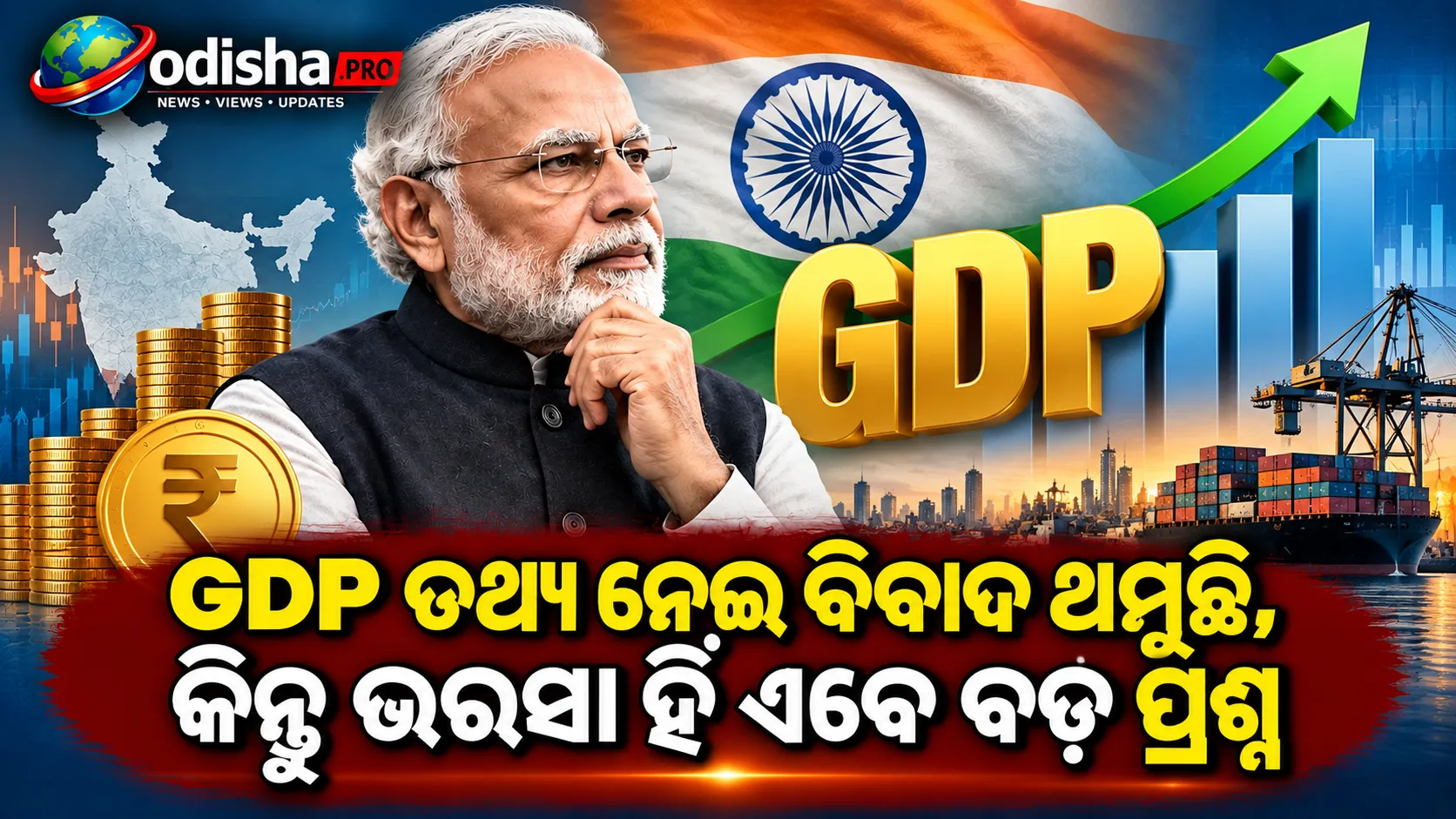
ଭାରତର ନୂଆ GDP ତଥ୍ୟକୁ ନେଇ ଚାଲିଥିବା ବିତର୍କ ଧୀରେ ଧୀରେ...

ସୁନ୍ଦରଗଡ଼ ଜିଲ୍ଲା ବଣାଇରେ ଶନିବାର ସକାଳେ ପାଣିପାଗର ଏକ ଅ...
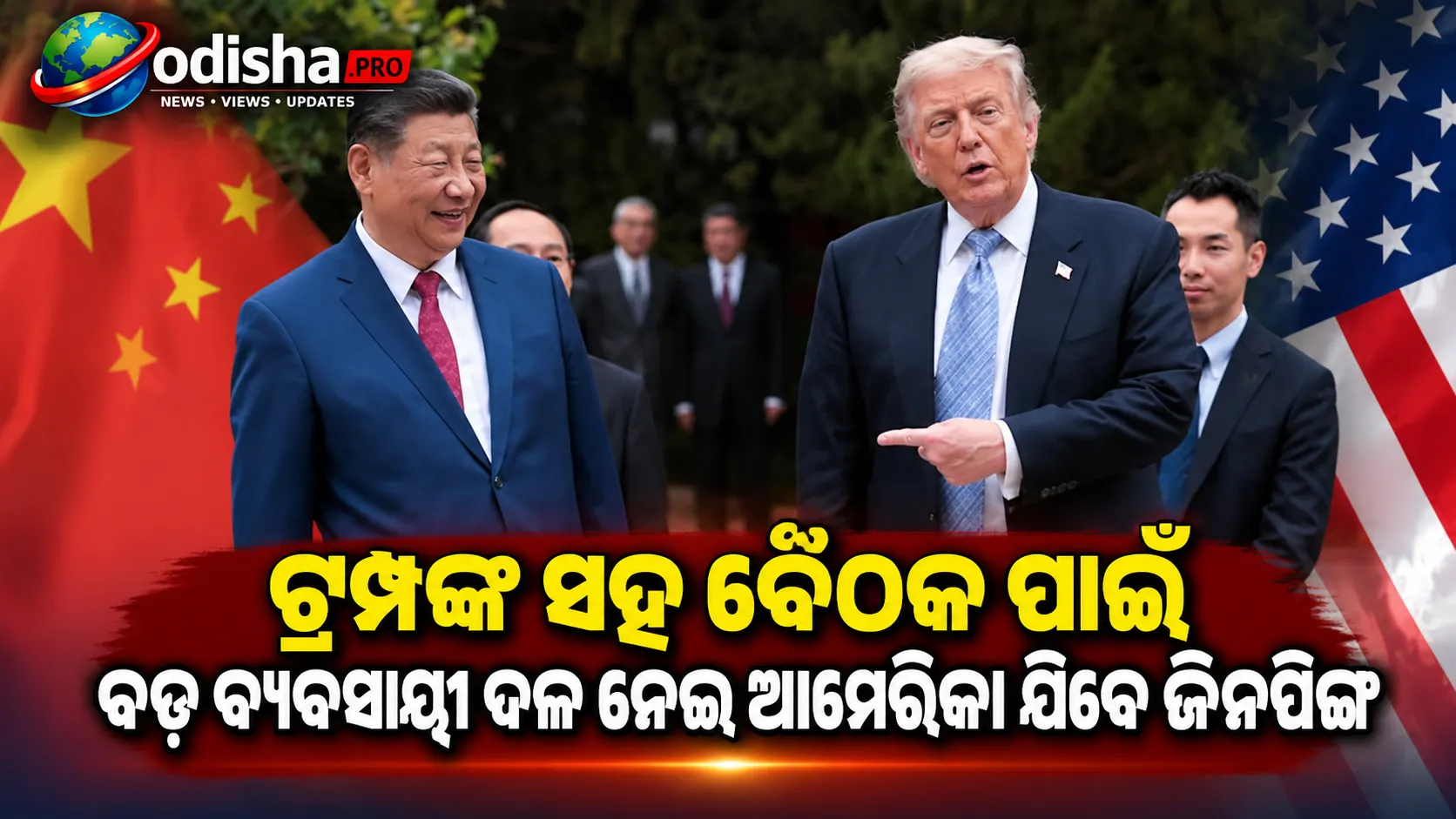
ଆମେରିକା-ଚୀନ୍ ବାଣିଜ୍ୟ ସମ୍ପର୍କ ମଧ୍ୟରେ ଆଉ ଏକ ବଡ଼ କୂଟନ...
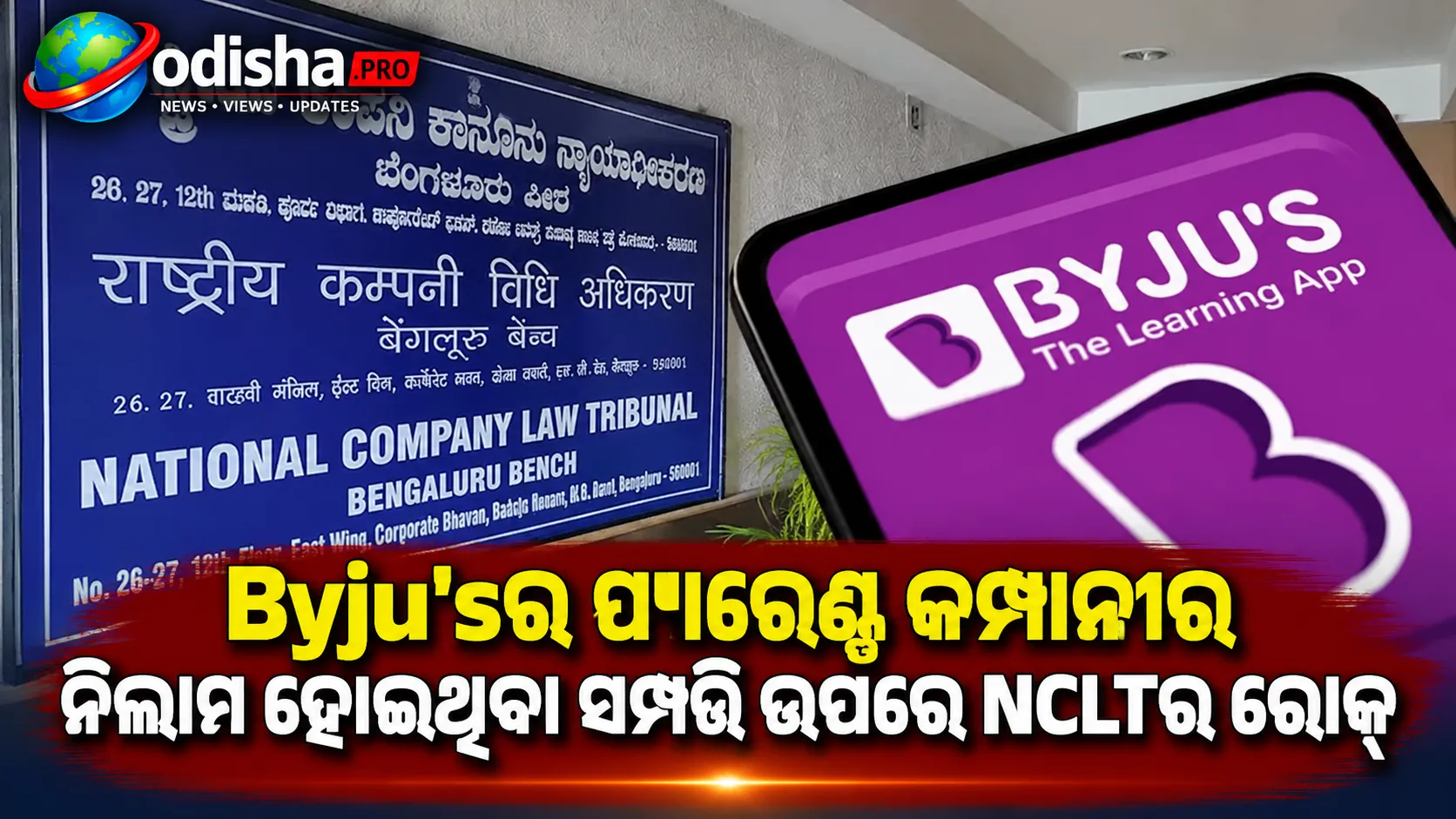
Byju’sର ପ୍ୟାରେଣ୍ଟ କମ୍ପାନୀ **Think and Learn...
