










serious. It develops when stress becomes constant and recovery never fully occurs. According to clinical psychologist Dr. Lena Dixit, burnout often begins quietly, with symptoms such as persistent fatigue, emotional numbness, irritability, and difficulty concentrating.
Left untreated, burnout can progress into anxiety, depression, and chronic stress disorders. Emotional resilience declines, everyday responsibilities feel overwhelming, and self-esteem may suffer. High achievers are particularly vulnerable, as their identity is often closely tied to productivity, making it harder to set boundaries or slow down.
Burnout also affects physical health, frequently presenting as headaches, muscle tension, digestive issues, weakened immunity, and poor sleep. Experts recommend early intervention through setting clear work boundaries, prioritising rest, reassessing workloads, and seeking support when symptoms persist. Recognising burnout early can prevent long-term mental and physical health consequences.
ନ୍ୟୁୟର୍କ: ୟୁଏସ୍‌ ଓପନ୍‌ରେ ଭାରତୀୟ ଟେନିସ୍&z...

ହର୍ମୁଜ୍ ପ୍ରଣାଳୀକୁ ନେଇ ଆମେରିକା ଓ ଇରାନ ମଧ୍ୟରେ ତିକ୍ତତ...

ଆମେରିକା ରାଷ୍ଟ୍ରପତିଡୋନାଲ୍ଡ ଟ୍ରମ୍ପଆମେରିକାର ରାଜ୍ୟନ୍ୟୁ...
ଦକ୍ଷିଣ ଦିଲ୍ଲୀର ସତ୍ୟ ନିକେତନରେ ଭୁଶୁଡ଼ି ପଡ଼ିଥିବା ଏକ P...
ନ୍ୟୁୟର୍କ: US Open 2026 ଦ୍ୱିତୀୟ ସପ୍ତାହରେ ପହଞ୍ଚିଛି।...

ତାମିଲନାଡୁର ଶାସକ ମେଣ୍ଟ ଏବେ ନିଜର ଏକ ସ୍ୱତନ୍ତ୍ର ରାଜନୈତ...
ଚେନ୍ନାଇ ସୁପର କିଙ୍ଗ୍ସର ପୂର୍ବତନ ଖେଳାଳିଏସ୍. ବଦ୍ରିନାଥଭ...
ଉତ୍ତରପ୍ରଦେଶରେ ଶ୍ରମିକ ଓ ଅନ୍ୟାନ୍ୟ ଦୁର୍ବଳ ପରିବାରର ପିଲ...
ଦିଲ୍ଲୀର ସତ୍ୟ ନିକେତନରେ ‘Hostel Daze’ ନା...
ପାକିସ୍ତାନ କ୍ରିକେଟ୍ ବୋର୍ଡ (PCB) ଏବେ ଦଳର ଚୟନ କମିଟି ଏ...
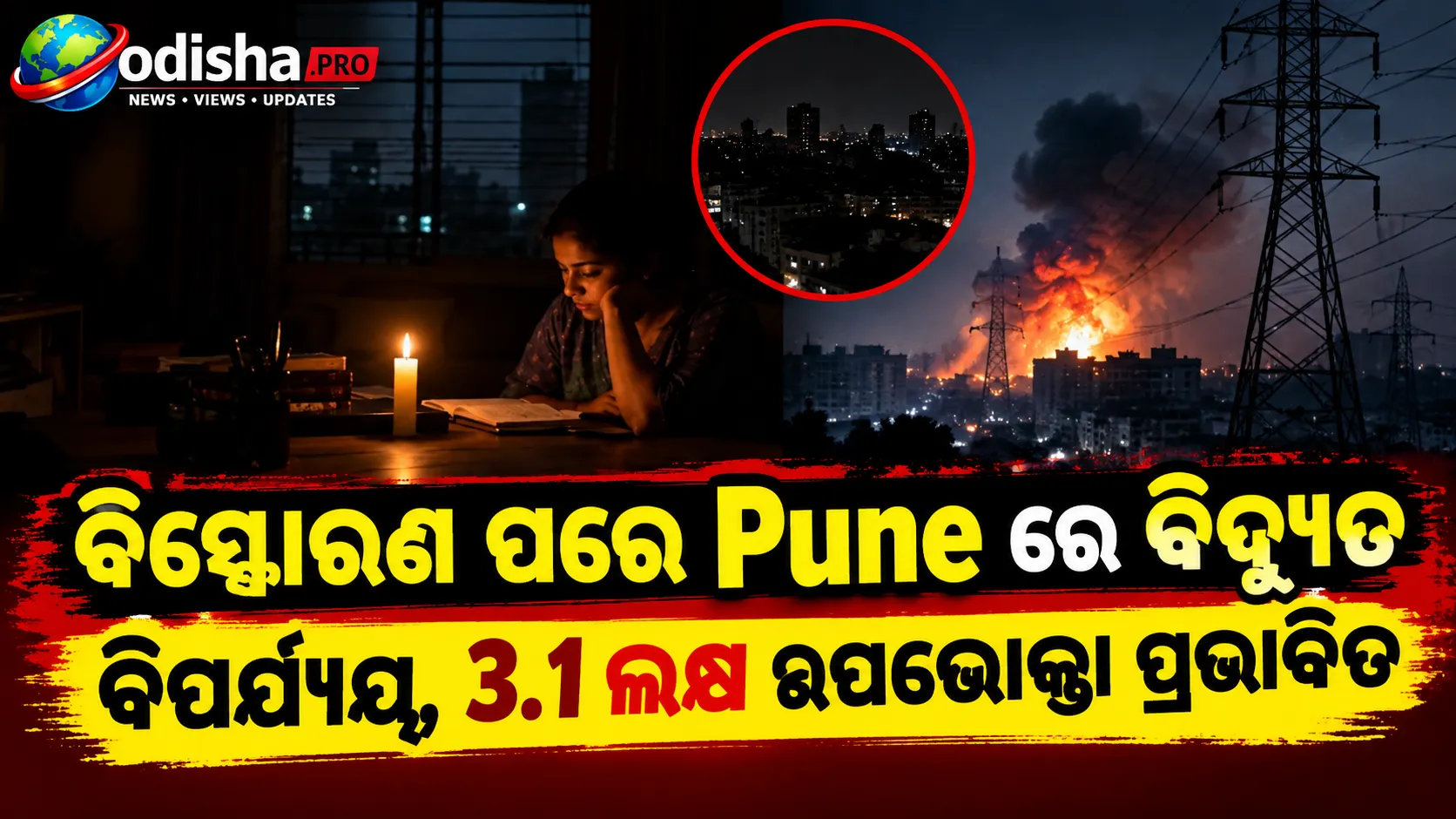
ମହାରାଷ୍ଟ୍ରର ପୁଣେ ଓ ପିମ୍ପ୍ରି-ଚିଞ୍ଚୱାଡ ଅଞ୍ଚଳରେ ରବିବା...