


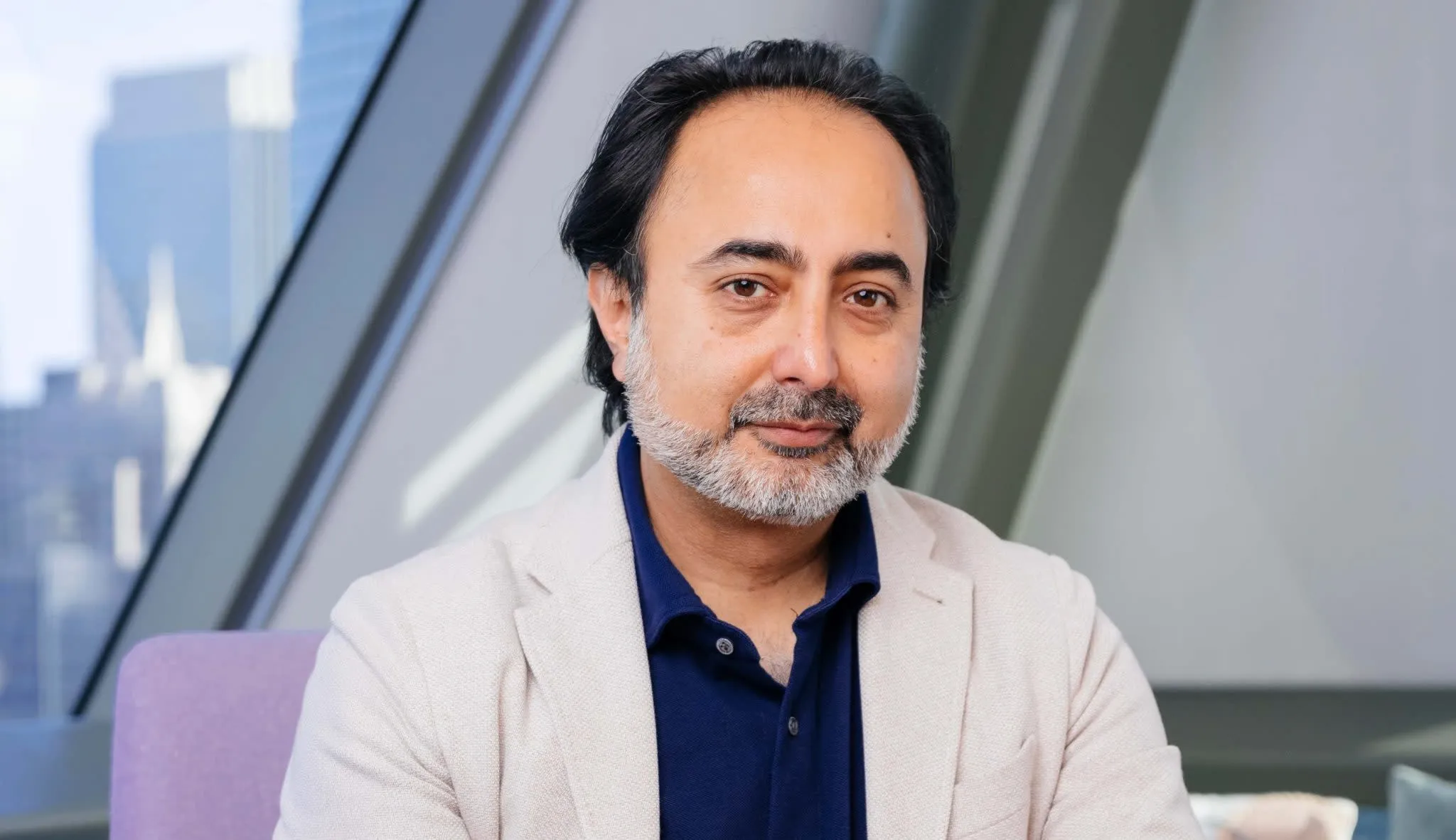
Artificial Intelligence may appear overheated, but that is not necessarily a bad thing, says Hemant Taneja, CEO ofGeneral Catalyst. Speaking at theIndia Today AI Summit 2026, Taneja described AI as a transformative force and argued that even if the current surge resembles a bubble, it is laying the foundation for lasting global change.
“Bubbles are very good,” he remarked, explaining that they mobilise capital and talent toward solving important problems. While some investments may fail, he believes the long-term outcome will be the creation of groundbreaking companies that reshape industries.
Taneja drew a clear distinction between foundational AI research and the applied AI layer. Investment in foundational models continues due to the promise of future breakthroughs beyond current language and token-prediction systems. However, he admitted that it remains uncertain when such research will consistently translate into profitable businesses.
In contrast, applied AI is already generating measurable impact. According to Taneja, enterprises have begun shifting labour spend into AI-driven productivity. AI tools are evolving rapidly — from assisting with faster coding to autonomously generating functional software components. This shift dramatically reduces development timelines, improving margins and value creation.
Beyond programming, transformations are occurring across departments such as customer support, marketing, and sales. “Every department is going through that kind of transformation,” he noted.
For Taneja, the real opportunity lies not just in building AI products but in transforming enterprises themselves. He emphasized the need to make companies AI-native at their core.
Using healthcare as an example, he described a future where hospitals combine human professionals with AI-driven digital agents whose marginal costs approach zero over time. Such transformation, he argued, requires fundamentally rethinking business models rather than merely adding AI tools to existing systems.
Taneja acknowledged that India lags in foundational model development and infrastructure compared to global leaders. However, he sees immense promise in applied AI.
He highlighted India’s strong IT services ecosystem and forward-deployed engineering talent — skills that are critical for building applied AI solutions tailored to real-world customer problems. According to him, India’s workforce is well-positioned to shift from traditional digital transformation to AI-led structural problem-solving.
Rather than focusing solely on building repeatable minimum viable products, founders should deeply understand evolving AI capabilities and apply them directly to solving complex customer challenges.
Taneja expressed optimism about India’s potential to leapfrog legacy systems, particularly in healthcare and agriculture.
In healthcare, building AI-native systems from scratch could help India design scalable solutions for over a billion people — solutions that could later be exported globally.
In agriculture, he described the sector as “the last manufacturing process we leave for the elements.” AI combined with robotics and control systems could optimise yield, quality, and efficiency, transforming food production at scale.
Addressing concerns about job displacement, Taneja acknowledged that AI adoption will impact tasks and roles. However, he warned that resisting AI would leave businesses uncompetitive.
The solution, he argued, is proactive reskilling. India’s digital-native generation must embrace AI, integrate it into their workflows, and enhance productivity rather than fear disruption.
Taneja’s closing message to Indian entrepreneurs was clear:Lean into AI, learn it, internalise it, and use it to solve meaningful problems.
For him, India’s AI future will not depend on winning the foundational model race but on building applied AI solutions that improve lives and scale globally. The opportunity is vast — but only for those willing to embrace transformation.

ସେପ୍ଟେମ୍ବରର ଏହି ସପ୍ତାହ ଜ୍ୟୋତିଷ ଦୃଷ୍ଟିରୁ...

ସୁନ୍ଦରଗଡ଼: ବୀରମିତ୍ରପୁର-ରାଇବୋଗା ରୋଡ୍‌ରେ ଥିବା S...
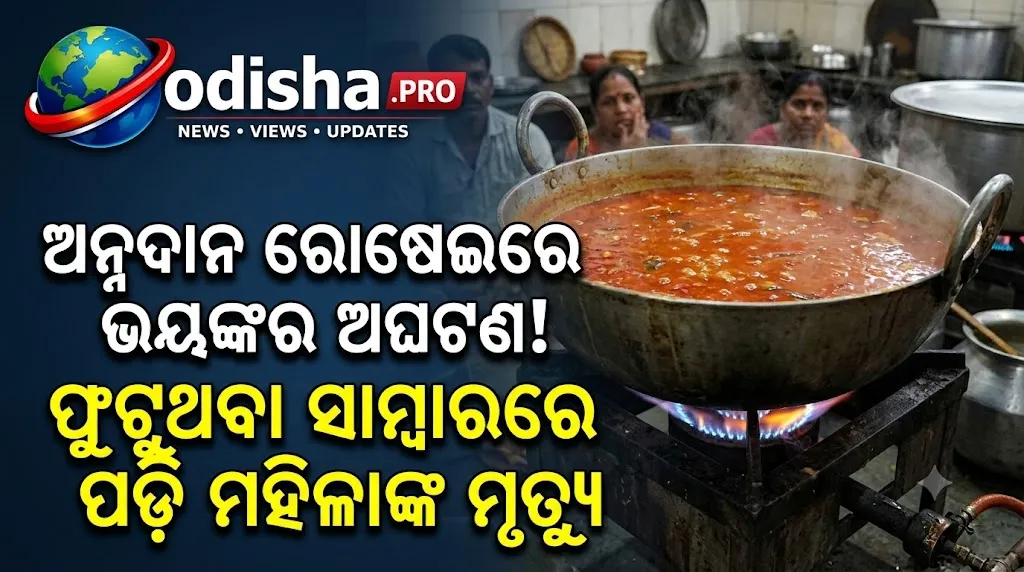
ଆନ୍ଧ୍ରପ୍ରଦେଶର ବିଜୟୱାଡ଼ାରେ ଗଣେଶ ଉତ୍ସବ ମଧ୍ୟରେ ଏକ ଦୁଃ...

ଭୁବନେଶ୍ୱର:ସୋସିଆଲ ମିଡିଆରେ କରାଯାଇଥିବା ଏକ LIVE ଭିଡିଓକ...

କଟକ: ଚୌଦ୍ୱାର ସର୍କଲ୍ ଜେଲ୍‌ର ସିନିୟର ସୁପରିଣ୍ଟେଣ୍...

ବରଗଡ଼ ଜିଲ୍ଲାର ଜଣେ ପଞ୍ଚାୟତ ଏକ୍ଜିକ୍ୟୁଟିଭ୍ ଅଫିସର (PEO...
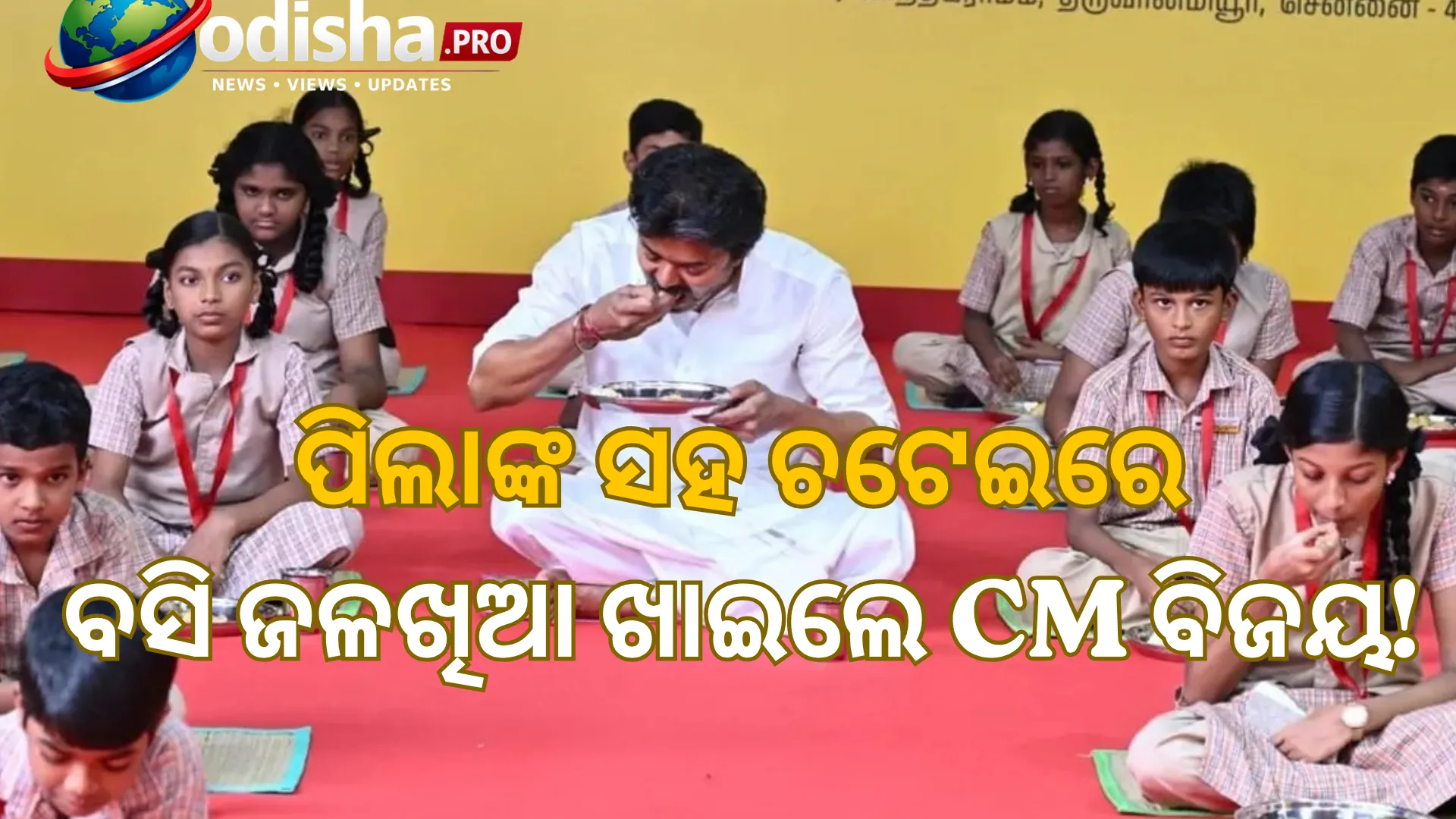
ତାମିଲନାଡୁରେ ସରକାରୀ ଓ ସରକାରୀ ସହାୟତାପ୍ରାପ୍ତ ସ୍କୁଲର ଛ...

UPI ମାଧ୍ୟମରେ ବଡ଼ ମୂଲ୍ୟର ବ୍ୟବସାୟିକ କାରବାରକୁ ନେଇ ନୂଆ...
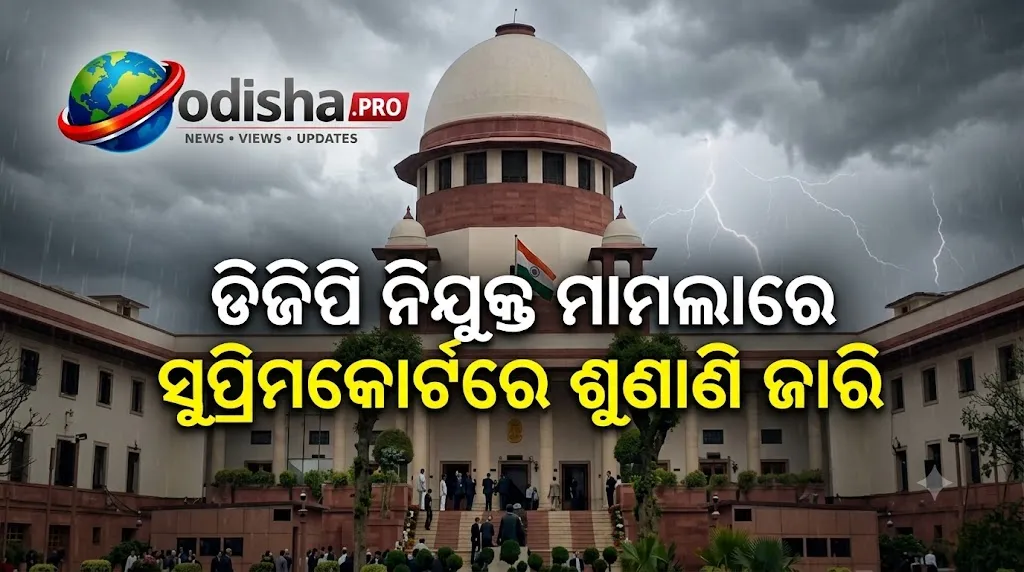
ଓଡ଼ିଶାର ପରବର୍ତ୍ତୀ ଡିଜିପି ନିଯୁକ୍ତି ପ୍ରକ୍ରିୟାକୁ ନେଇ...