







Hepatitis B is a viral infection that affects the liver and can be transmitted from mother to child during pregnancy, childbirth, or breastfeeding in rare cases. According to hepatology and pediatric specialists, infants born to mothers who are HBV-positive are at the highest risk of chronic infection if no preventive measures are taken. Chronic Hepatitis B in infants can lead to long-term complications such as liver cirrhosis, liver failure, or even liver cancer later in life.
Doctors emphasize the importance of screening all pregnant women for Hepatitis B early in pregnancy. If a mother tests positive for HBV, doctors may recommend antiviral medications during the third trimester to reduce viral load and lower the risk of vertical transmission.
At birth, newborns should receive the Hepatitis B vaccine within 24 hours along with hepatitis B immunoglobulin (HBIG) if the mother is HBsAg-positive. This combination of immediate vaccination and immunoglobulin is highly effective in preventing mother-to-child transmission, with success rates above 90%.
Healthcare providers also stress that routine follow-up and testing of the infant are crucial. Babies are typically tested for HBsAg and antibodies at 9–12 months to ensure the vaccine and HBIG have provided adequate protection.
In addition, mothers are encouraged to continue breastfeeding, as studies show that breast milk does not significantly increase transmission risk when proper vaccination protocols are followed. The focus remains on timely vaccination and monitoring to safeguard the child’s health.
By adhering to these preventive strategies — maternal screening, antiviral therapy when indicated, timely birth-dose vaccination, HBIG administration, and proper follow-up — the chances of transmission from mother to baby can be drastically reduced, making HBV a preventable cause of chronic liver disease in children.
ଆମେରିକା ରାଷ୍ଟ୍ରପତିଡୋନାଲ୍ଡ ଟ୍ରମ୍ପଆମେରିକାର ରାଜ୍ୟନ୍ୟୁ...
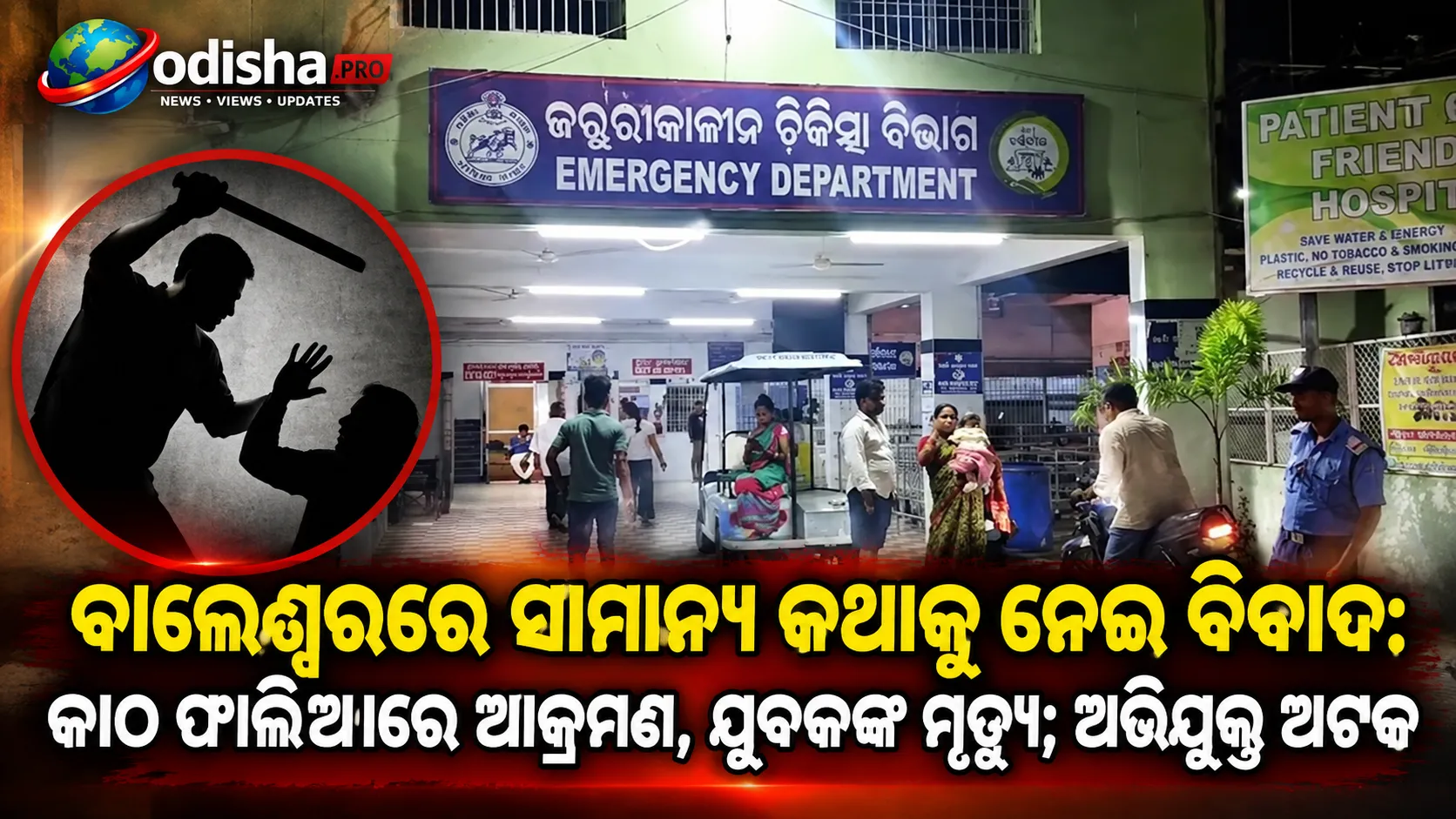
ବାଲେଶ୍ୱରରେ ସାମାନ୍ୟ କଥାକୁ ନେଇ ହୋଇଥିବା ବିବାଦ ଶେଷରେ ମ...
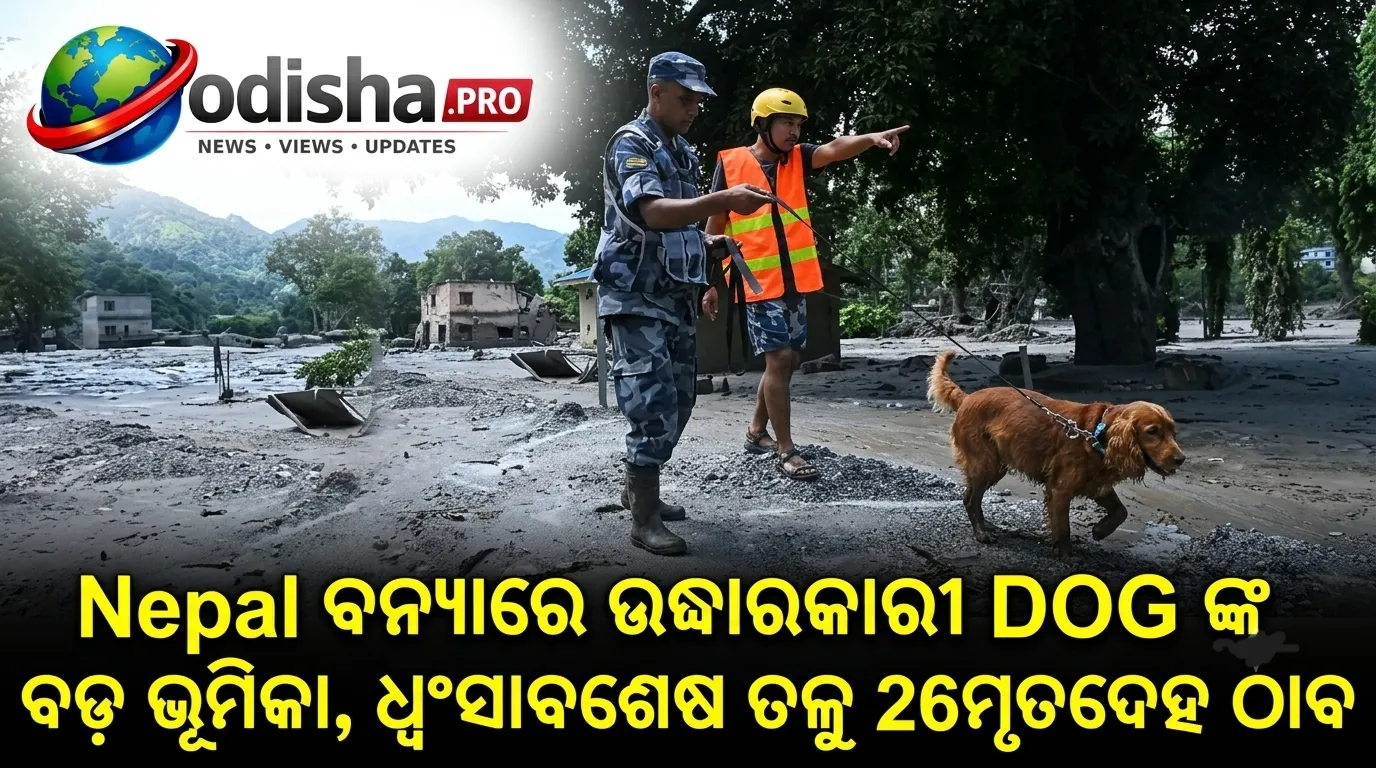
ନେପାଳର ଉତ୍ତର ଅଞ୍ଚଳରେ ଘଟିଥିବା ଭୟଙ୍କର ବନ୍ୟା ଓ ଭୂସ୍ଖଳ...
ଓଡ଼ିଶାର ବିଭିନ୍ନ ଅଞ୍ଚଳରୁ ନାବାଳିକାଙ୍କୁ ନେଇ ୩ଟି ଦୁଷ୍କ...

ଓଡ଼ିଶା ମାଧ୍ୟମିକ ଶିକ୍ଷା ବୋର୍ଡ (BSE) ପକ୍ଷରୁ ଓଡ଼ିଶା ଶ...
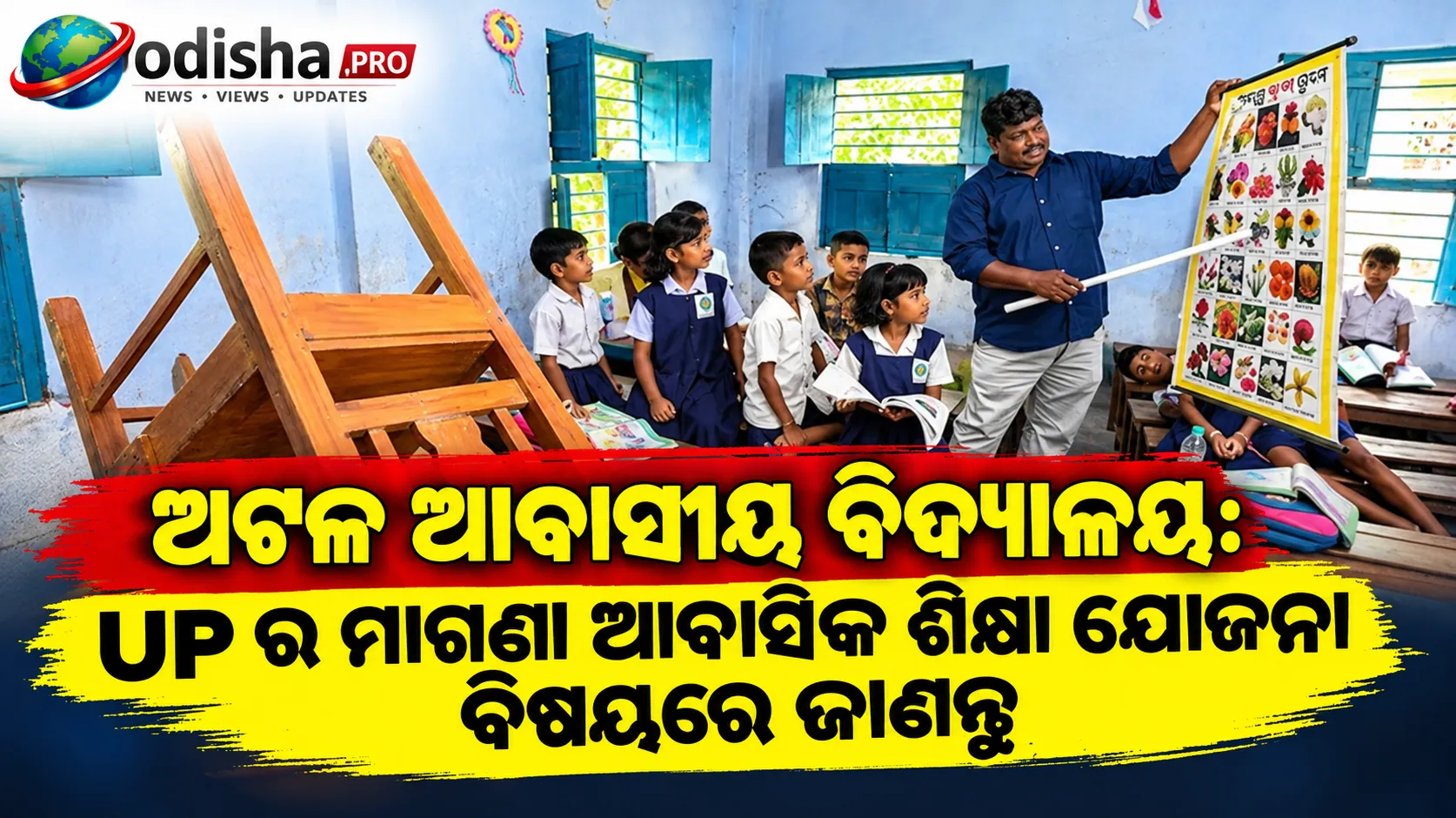
ଉତ୍ତରପ୍ରଦେଶରେ ଶ୍ରମିକ ଓ ଅନ୍ୟାନ୍ୟ ଦୁର୍ବଳ ପରିବାରର ପିଲ...
ଆମେରିକାର Federal Bureau of Investigation (FBI) ମଞ୍...
ଓଡ଼ିଶାରେ ମନ୍ଦିରଗୁଡ଼ିକୁ ଟାର୍ଗେଟ୍ କରି ଚୋରି ଘଟଣା ଥମିବ...
ନେପାଳରେ ଅଗଷ୍ଟ ୨୬ରେ ଘଟିଥିବା ଭୟଙ୍କର Bhotekoshi ବନ୍ୟା...
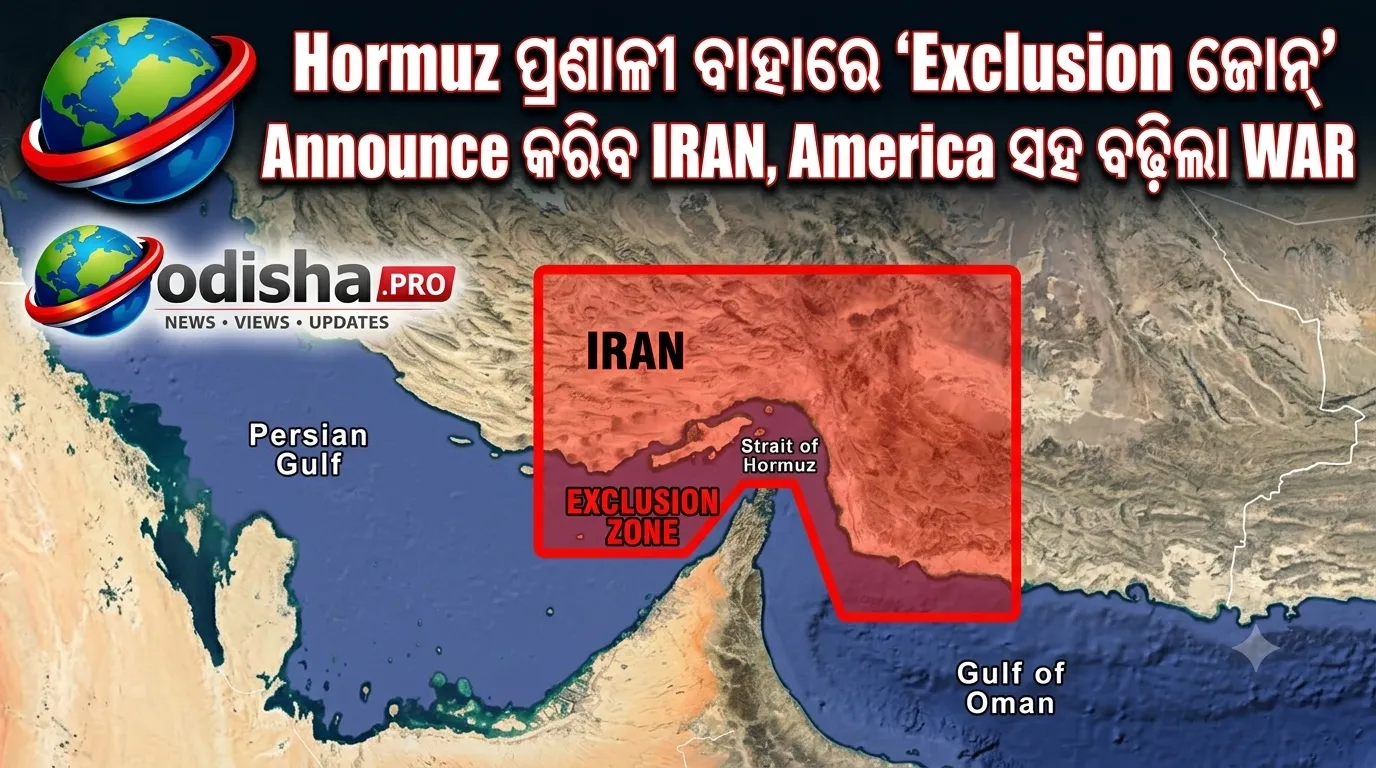
ହର୍ମୁଜ୍ ପ୍ରଣାଳୀକୁ ନେଇ ଆମେରିକା ଓ ଇରାନ ମଧ୍ୟରେ ତିକ୍ତତ...
