





The AI Summit 2026 atBharat Mandapamin Delhi brought together over 20 Heads of State, 60 Ministers, 500 global AI leaders, and thousands of delegates. From premier institutions to global tech companies likeTata Consultancy Services, the summit reflected India’s growing technological ambition.
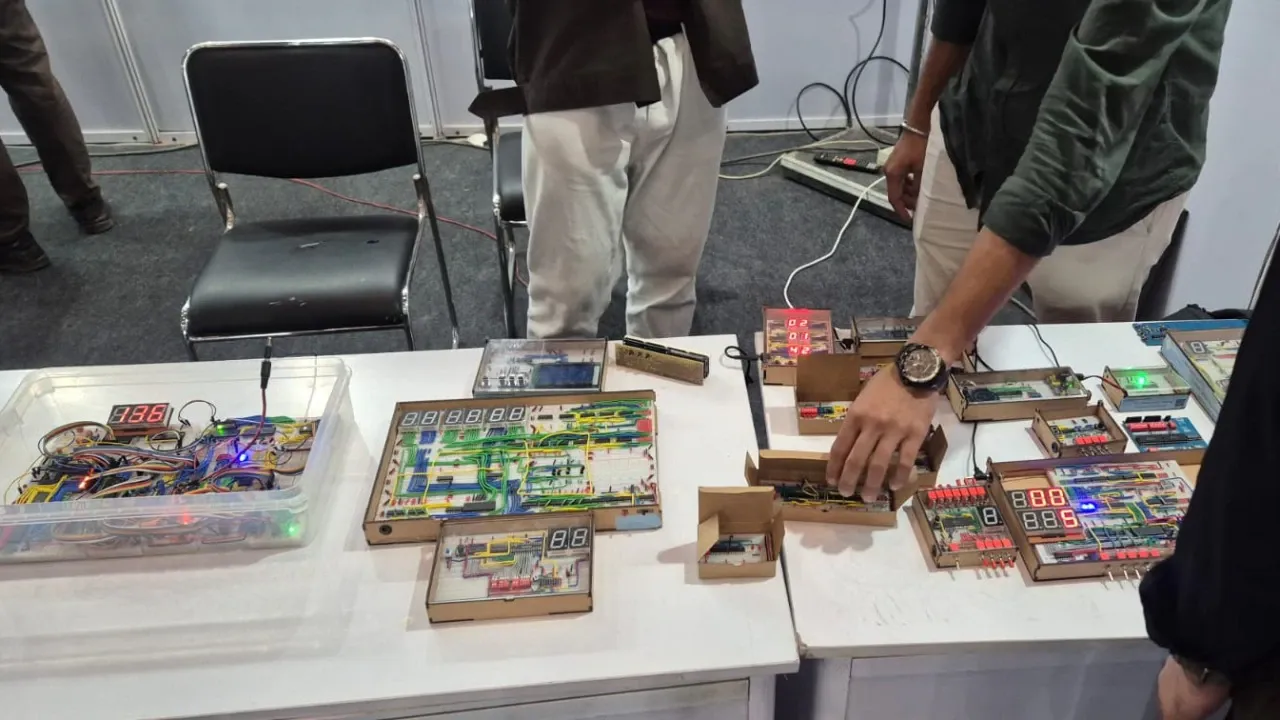
Amid cutting-edge AI platforms and polished innovations, one display stood out for a different reason. In a quiet corner, IIT Gandhinagar showcased bare semiconductor prototypes — exposed wires, visible circuits, and unfinished systems. These weren’t finished products. They were learning tools.
For years, India’s education system has focused heavily on theory. Students master formulas and logic but rarely get hands-on exposure to the hardware that powers modern technology. IIT Gandhinagar’s initiative begins with a simple yet powerful question: What if students build computers before they only learn about them?
The institute has developed hardware learning kits containing integrated circuits, breadboards, switches, and connectors — the building blocks of computing systems. Using these kits, students can assemble devices like digital clocks and calculators while learning how circuits connect, signals travel, and printed circuit boards are designed.
The programme follows a layered structure. It begins with basic logic and progresses to complex hardware design concepts. The kits are designed for high school students, polytechnic learners, and first-year engineering students.
According to Manu Awasthi, Associate Professor of Practice at IIT Gandhinagar, the goal is to create a multi-level curriculum that builds national capacity in semiconductor design and hardware systems while promoting indigenous processors like Vega as part of academic learning.
A proposal has been submitted to theMinistry of Electronics and Information Technology(MeitY) for funding support under its capacity-building initiatives. If approved, the project will expand into schools through pilot programmes and teacher training workshops.
Importantly, the initiative does not directly teach artificial intelligence. Instead, it focuses on teaching the hardware that makes AI possible. Without processors, circuits, and chip architecture, AI systems cannot function.
By helping students understand how computer systems work from the ground up, the programme aims to prepare them to design high-performance, energy-efficient hardware for future AI applications.
India’s semiconductor ambitions have grown rapidly with increased government support for chip manufacturing and research. However, factories and funding alone cannot create technological leadership — skilled human capital is essential.
China’s rise in electronics manufacturing began decades ago with strong practical technical education. Schools introduced electronics labs early, and students were trained to build and design hardware systems. Over time, this created a workforce capable of supporting large-scale semiconductor and electronics production.
IIT Gandhinagar’s initiative mirrors this classroom-first approach. The Centre for Creative Learning at the institute, which is leading the project, has prior experience in hands-on science education. Now, that experience is being extended into semiconductor training.
At a summit filled with advanced AI systems, the IIT Gandhinagar prototypes appeared incomplete. But their power lies precisely in that incompleteness — they are meant to be assembled by students.
If implemented widely, these semiconductor kits could shift India’s educational foundation from theory-heavy learning to practical hardware understanding. The country’s semiconductor future may not begin in fabrication plants alone. It may begin on a school desk, where a student connects circuits and sees their first electronic system come alive.

WPL 2027 ଅକ୍ସନ୍କୁ ନେଇ ଏବେଠାରୁ ଚର୍ଚ୍ଚା ଜୋର୍ ଧରିଛି।...
ହଟିଲା Dhumavathiଙ୍କ ଚର୍ଚ୍ଚିତ ଡ୍ୟାନ୍ସ ସିନ୍ Netfl...

ପୂର୍ବତନ ଭାରତୀୟ ଲେଗ୍‌ ସ୍ପିନର ଅମିତ ମିଶ୍ର ନିଜ ଅନ...

ନାଗୋୟା, ଜାପାନରେ ଚାଲିଥିବା ଏସିଆନ୍ ପାରା ଗେମ୍ସ ୨୦୨୬ରେ...

ଭାରତ ଓ ନ୍ୟୁଜିଲାଣ୍ଡ ମଧ୍ୟରେ ପାଞ୍ଚ ମ୍ୟାଚ୍ ବିଶିଷ୍ଟ T20...
JioHotstarରେ ଆସିବ ‘Ramayana: Part One’...
ଅକ୍ଟୋବର ୧୮ ତାରିଖରେ ମୁମ୍ବାଇର ଜୁହୁ ଅଞ୍ଚଳରେ ଟାଇଗର ଶ୍ର...
ପଞ୍ଜାବୀ ଗାୟକ ଓ ଅଭିନେତା ଦିଲଜିତ ଦୋସାଞ୍ଜଙ୍କ ଦିଲ୍ଲୀ କନ...