







Health insurance has quietly become one of the most critical financial decisions for Indian households. With healthcare inflation in India estimated at 12–15% per year, medical expenses are rising faster than most families anticipate. Despite this, close to half of all health expenses are still paid out-of-pocket, making misunderstandings about insurance both common and costly.
Many Indians carry misconceptions about health coverage that can lead to denied claims, unexpected costs, or insufficient protection. One common myth is that all diseases are covered immediately after purchasing a policy. In reality, most plans have waiting periods, especially for pre-existing conditions or certain treatments, to ensure fair risk-sharing.
Another frequent misunderstanding is that disclosing pre-existing conditions guarantees instant coverage. Disclosure is essential for claim validity, but insurers still enforce waiting periods, typically two to four years. Similarly, smokers, drinkers, and people with chronic conditions like diabetes or hypertension can still obtain insurance, provided they are transparent about their health history.
Other myths include underestimating the importance of room rent limits, assuming employer-provided group insurance covers everything, or believing that the cheapest premium offers the best value. In truth, these assumptions can result in higher out-of-pocket expenses, coverage gaps, or denied claims. Even young, healthy individuals benefit from early coverage, as premiums are lower and waiting periods for certain illnesses are completed while they are still healthy.
Understanding policy documents, rather than relying solely on agents, is also crucial. Policies now include modern features such as OPD benefits, teleconsultations, mental health coverage, and digital claim settlements. However, these benefits are meaningful only when policyholders understand the terms, limits, and procedures.
With informed decision-making, families can avoid disputes, reduce financial stress, and ensure that health insurance serves as the reliable safeguard it is intended to be. In today’s evolving health landscape, clarity and knowledge are as important as the policy itself.

ଭୁବନେଶ୍ୱରର ମହର୍ଷି କଲେଜ କ୍ୟାମ୍ପସରେ ଘଟିଥିବା ଗଣ୍ଡଗୋଳ...
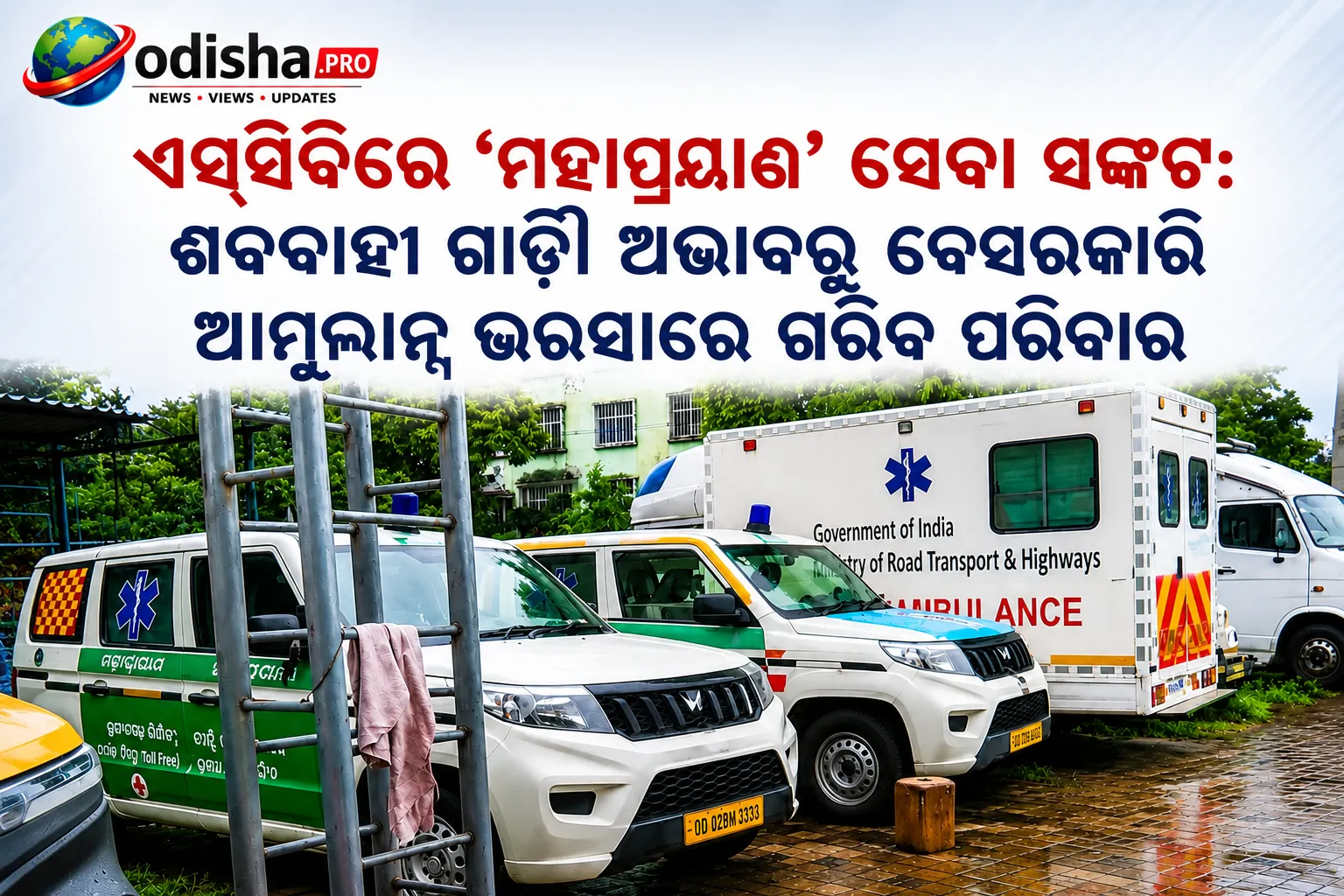
ଓଡ଼ିଶାର ସବୁଠାରୁ ବଡ଼ ରେଫରାଲ୍ ହସ୍ପିଟାଲ କଟକସ୍ଥିତ ଏସ୍ସ...

ଗଜପତି ଜିଲ୍ଲାର ମୋହନା କମ୍ୟୁନିଟି ହେଲ୍ଥ ସେଣ୍ଟର (ସିଏଚ୍ସ...
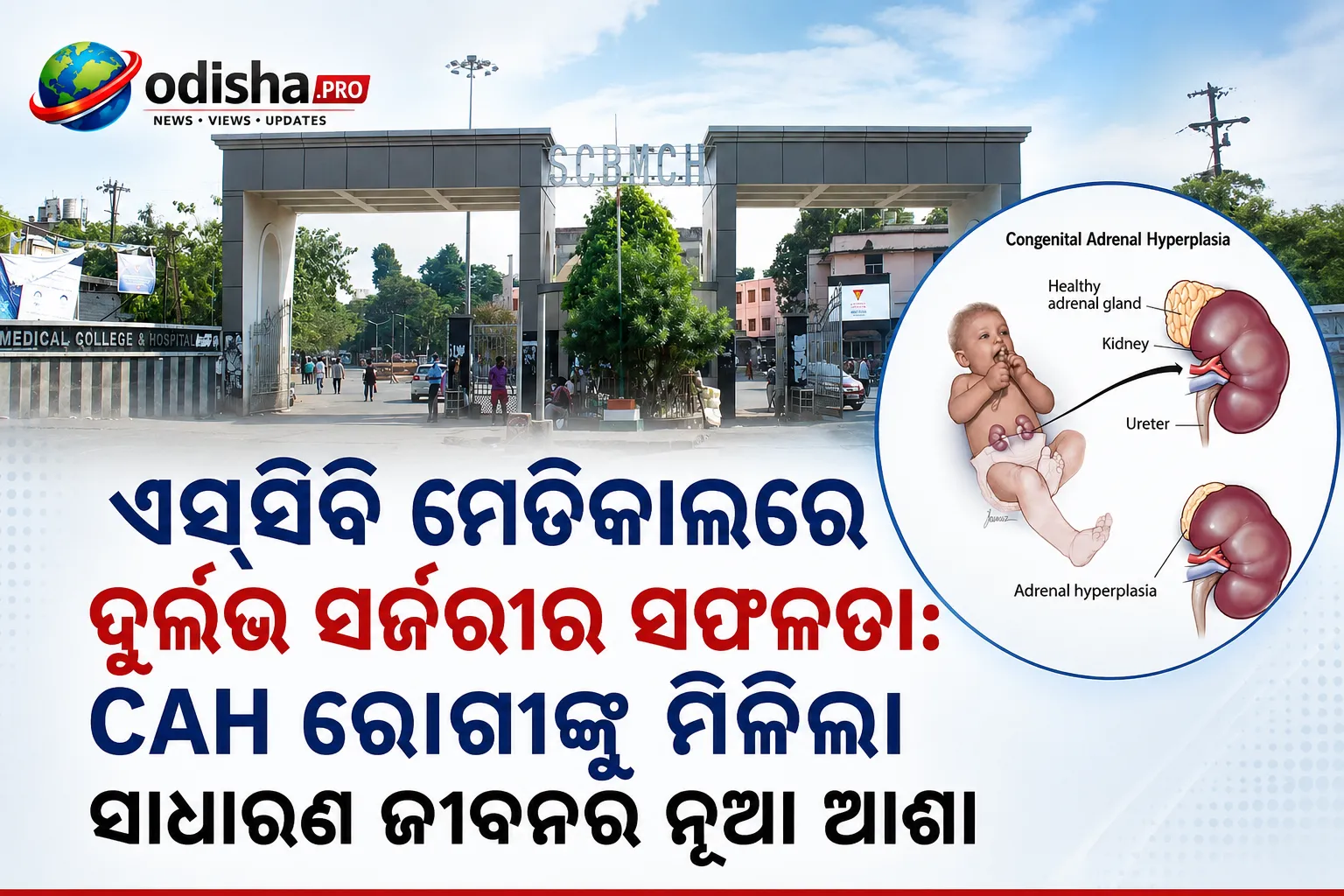
କଟକର ଏସ୍ସିବି ମେଡିକାଲ କଲେଜ ଓ ହସ୍ପିଟାଲ ପୁଣିଥରେ ଚିକିତ...
ଏସ୍‌ଏସ୍‌ ରାଜାମୌଳୀଙ୍କ ବହୁ ପ୍ରତୀକ୍ଷିତ ପ୍ୟା...
ବହୁ ପ୍ରତୀକ୍ଷିତ ବଲିଉଡ୍ ଫିଲ୍ମ **‘ରାମାୟଣ’...

ଓଡ଼ିଶାର ବାଲେଶ୍ୱର ଜିଲ୍ଲାର ସିଙ୍ଗଲା ଥାନା ଅଧୀନ ବେଣ୍ଟାପ...
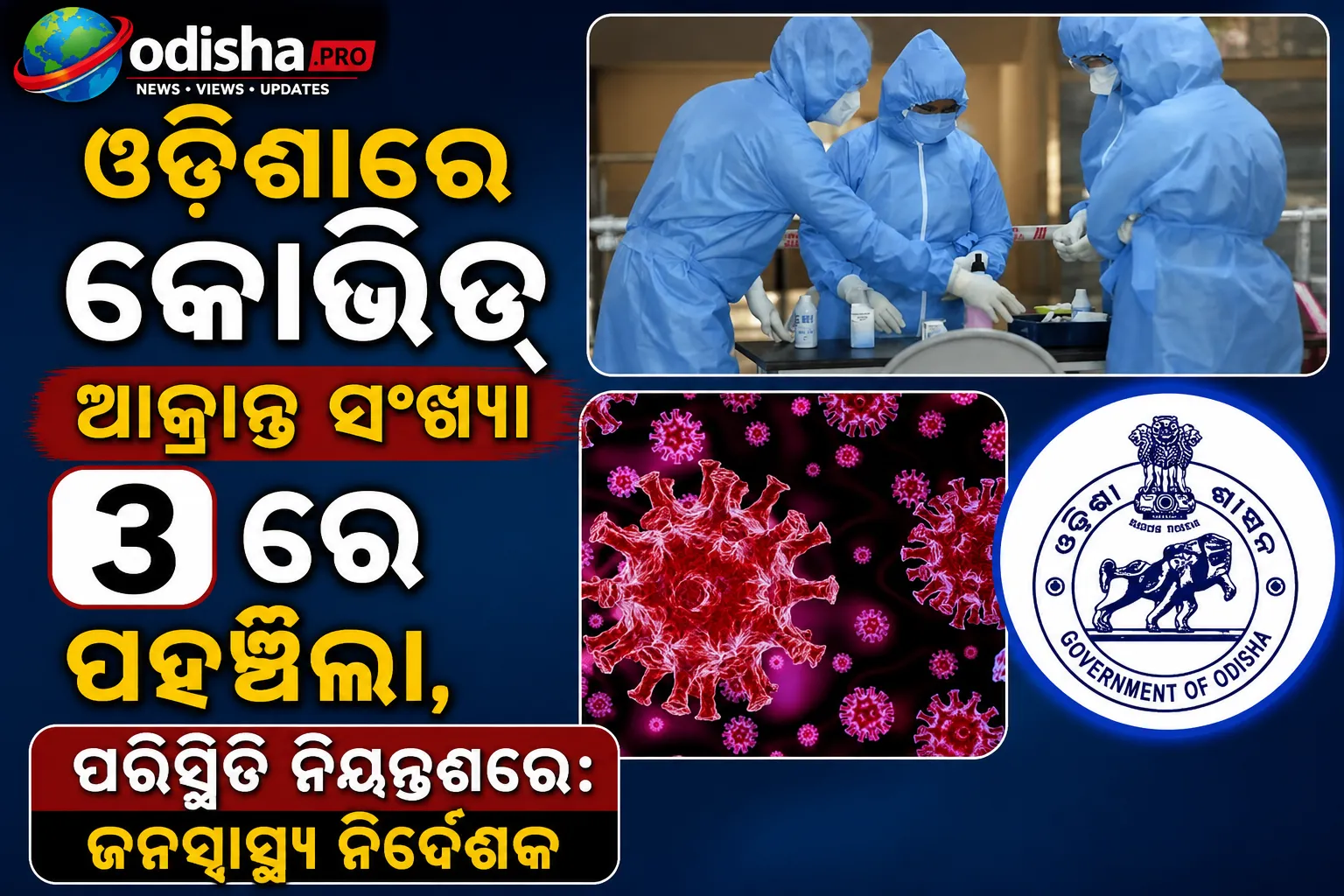
ଓଡ଼ିଶାରେ କୋଭିଡ୍-୧୯ ମାମଲାକୁ ନେଇ ଜନସ୍ୱାସ୍ଥ୍ୟ ବିଭାଗ ପ...

ଦାଦାବଟି ଓ ବ୍ଲାକମେଲ୍ ଅଭିଯୋଗକୁ ନେଇ ଚର୍ଚ୍ଚାରେ ଥିବା ଏକ...
ମହାପ୍ରଭୁ ଶ୍ରୀଜଗନ୍ନାଥଙ୍କ ପ୍ରତି ଓଡ଼ିଆଙ୍କ ଅଗାଧ ଭକ୍ତି...
ଭାରତୀୟ ସିନେମାର ସବୁଠୁ ବଡ଼ ଏବଂ ଆକାଂକ୍ଷୀ ପ୍ରକଳ୍ପମାନଙ୍...
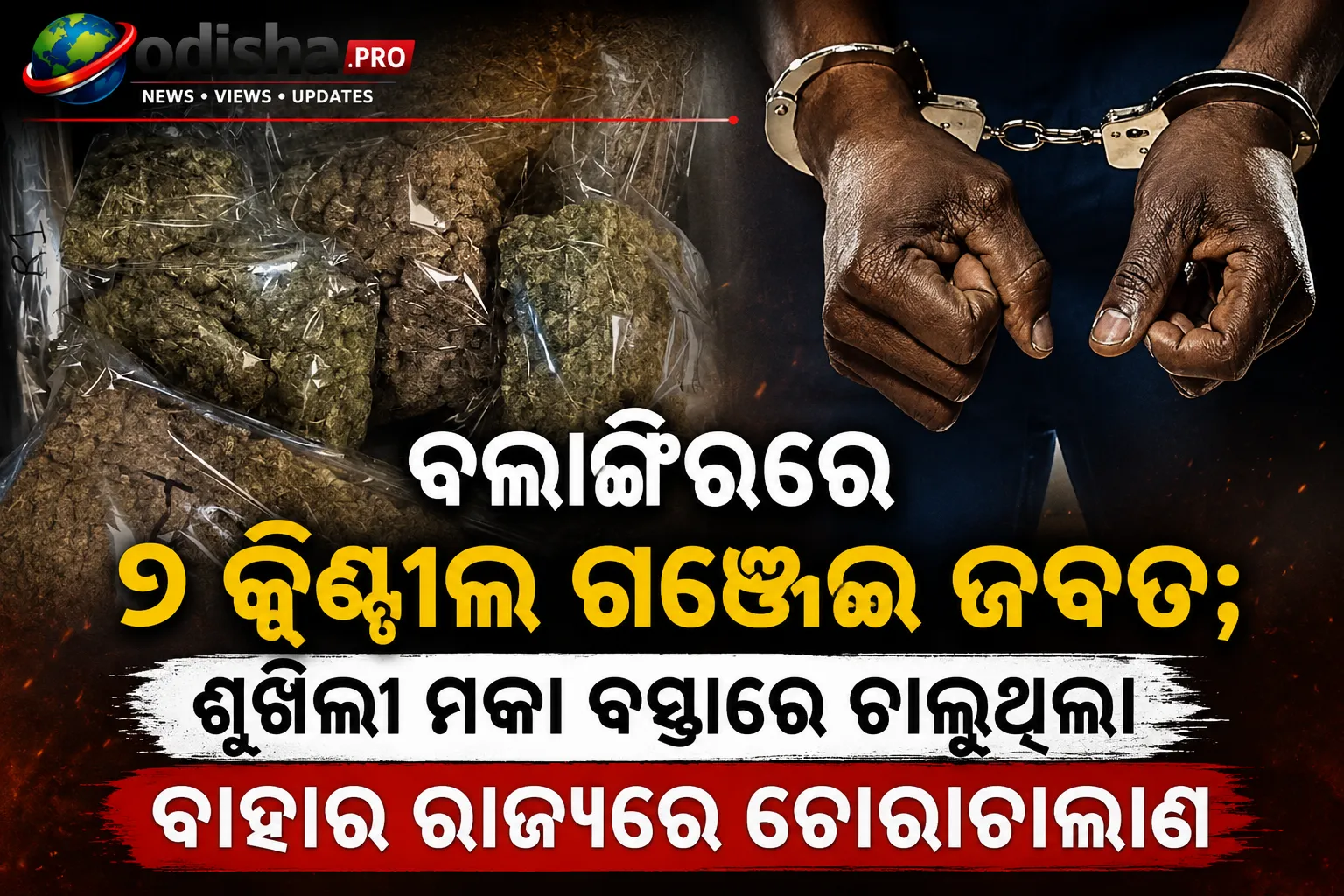
ବଲାଙ୍ଗିର ଅବକାରୀ ବିଭାଗକୁ ଏକ ବଡ଼ ସଫଳତା ମିଳିଛି। ବିଭାଗ...