










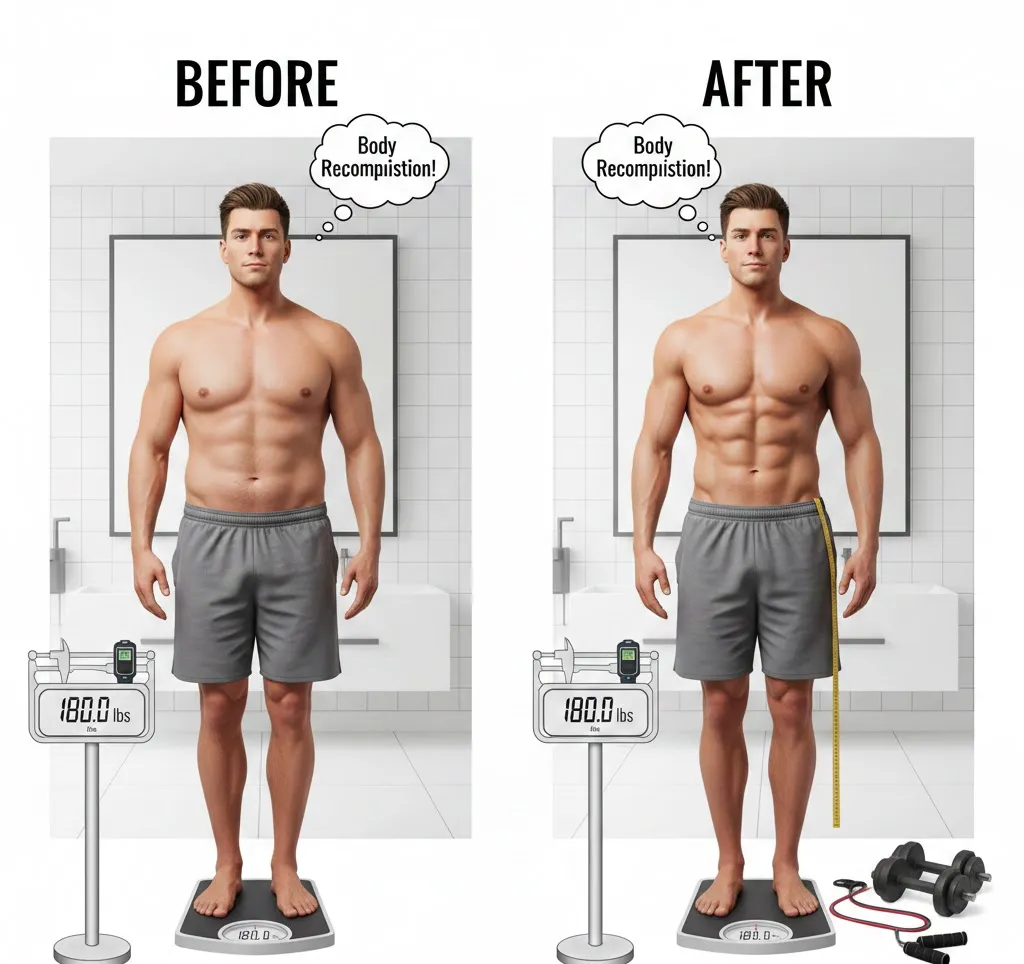
Joining the office led to long working hours, reduced movement, and a sedentary routine that resulted in a 7-kilo weight gain in just four months. Determined to reverse this, I joined a gym in October 2025 with clear goals: fat loss, weight reduction, and improved strength.
I trained consistently for six days a week, combining strength training and cardio. While my body shape changed—my waist reduced, muscles felt firmer, and my strength increased—the scale remained stuck at 53 kg for three months. This contradiction led me to explore the concept of body recomposition, where fat loss and muscle gain happen simultaneously.
Research from Cleveland Clinic and Harvard Health explains that resistance training can increase lean muscle mass early on, offsetting fat loss on the scale. Additionally, late-night workouts after long office hours triggered increased hunger and heavier dinners, while prolonged sitting reduced NEAT (non-exercise activity thermogenesis), limiting overall calorie burn.
Studies also suggest that morning workouts may lead to earlier fat loss and improved metabolic signals, though evening workouts still offer performance benefits. By adjusting meal timing, increasing protein intake, prioritising sleep, and tracking progress through measurements and strength gains rather than weight alone, I stayed motivated.
The experience reinforced a key lesson: fitness progress is not defined by the weighing scale alone. Strength, energy, body composition, and consistency matter far more than a single number.

ଆମେରିକାନ୍ ଏୟାରଲାଇନ୍ସର ଏକ ଉଡ଼ାଣ ବେଳେ ଜଣେ ଯାତ୍ରୀଙ୍କ...
ଓଡ଼ିଶାରେ ମନ୍ଦିରଗୁଡ଼ିକୁ ଟାର୍ଗେଟ୍ କରି ଚୋରି ଘଟଣା ଥମିବ...
ଚେନ୍ନାଇ ସୁପର କିଙ୍ଗ୍ସର ପୂର୍ବତନ ଖେଳାଳିଏସ୍. ବଦ୍ରିନାଥଭ...
ପାକିସ୍ତାନ କ୍ରିକେଟ୍ ବୋର୍ଡ (PCB) ଏବେ ଦଳର ଚୟନ କମିଟି ଏ...
ଆମେରିକାର Federal Bureau of Investigation (FBI) ମଞ୍...
ଓଡ଼ିଶାର ବିଭିନ୍ନ ଅଞ୍ଚଳରୁ ନାବାଳିକାଙ୍କୁ ନେଇ ୩ଟି ଦୁଷ୍କ...
ନ୍ୟୁୟର୍କ: ୟୁଏସ୍‌ ଓପନ୍‌ରେ ଭାରତୀୟ ଟେନିସ୍&z...
ନ୍ୟୁୟର୍କ: US Open 2026 ଦ୍ୱିତୀୟ ସପ୍ତାହରେ ପହଞ୍ଚିଛି।...
ବାଲେଶ୍ୱରରେ ସାମାନ୍ୟ କଥାକୁ ନେଇ ହୋଇଥିବା ବିବାଦ ଶେଷରେ ମ...