

The University Grants Commission’s revised 2026 anti-discrimination regulations have emerged as a major flashpoint in India’s higher education system. Updated from the earlier 2012 framework, the new rules significantly widen the scope of protection by explicitly including Other Backward Classes (OBCs) alongside Scheduled Castes and Scheduled Tribes.
The regulations define discrimination broadly, covering both direct and indirect forms based on caste, tribe, religion, gender, disability, race and place of birth. All UGC-recognised institutions are now required to set up Equal Opportunity Centres, supported by Equity Committees with representation from SC, ST, OBC, women and persons with disabilities.
For the first time, these guidelines are legally enforceable, with penalties for non-compliance ranging from denial of academic approvals to withdrawal of UGC recognition and funding. Institutional heads such as vice-chancellors and principals are held directly accountable for implementation and reporting.
The UGC says the move responds to a rise in discrimination complaints and judicial directions to strengthen student protection mechanisms. However, critics argue the expanded definition of discrimination is vague, open to misuse and could blur long-standing distinctions in affirmative action policy. Protests, political pushback and concerns over universities’ administrative capacity have intensified the controversy.
Supporters counter that stronger enforcement is overdue and necessary to address entrenched inequities on campuses. As institutions begin immediate implementation, the effectiveness of the regulations will depend on consistent interpretation and fair enforcement across universities nationwide.

JioHotstarରେ ଆସିବ ‘Ramayana: Part One’...
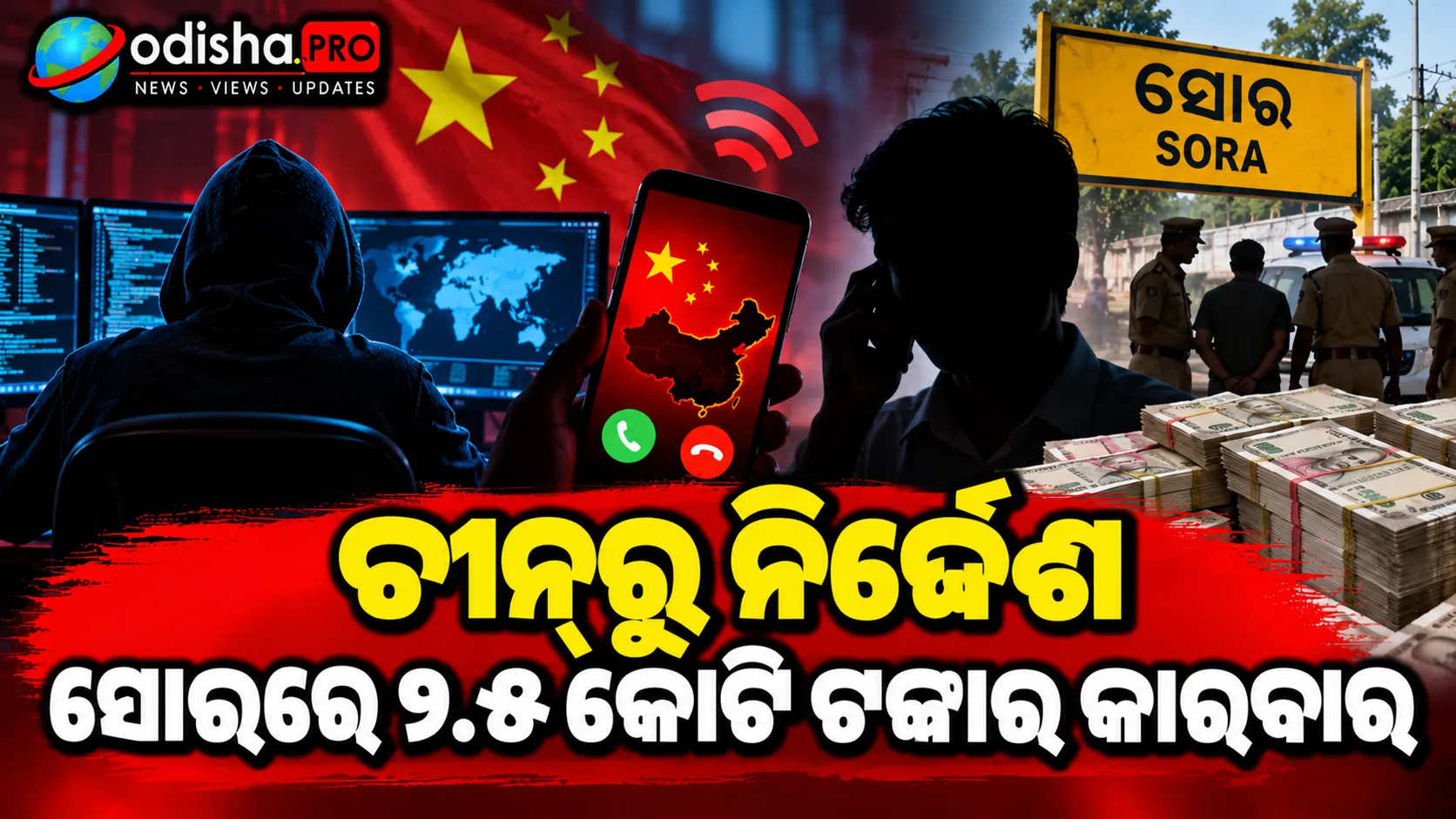
ସୋରରେ ୨.୫ କୋଟି ଟଙ୍କାର କାରବାର ସୂଚନା ଅନୁଯାୟୀ, ସୋର...
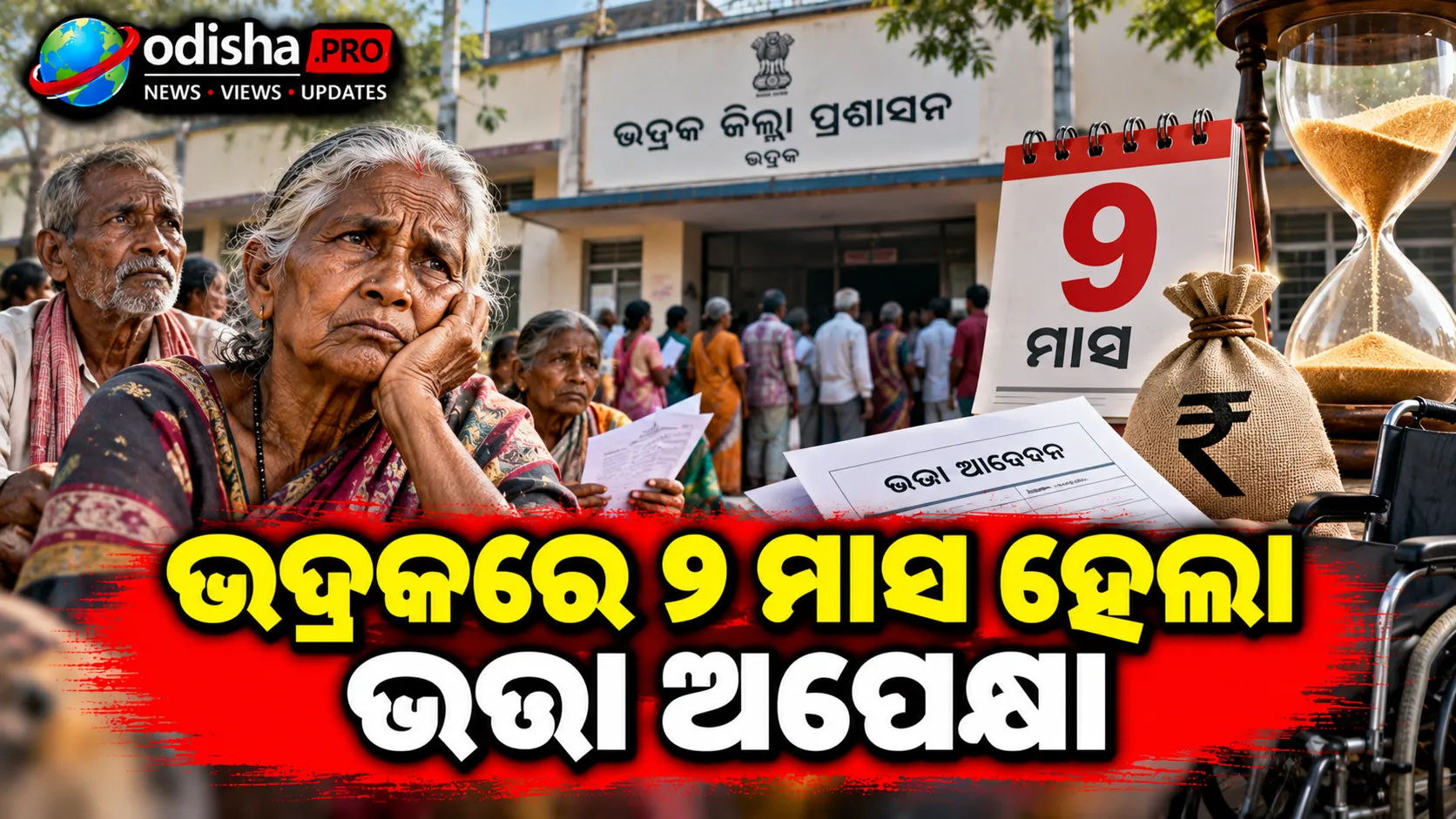
୯ ମାସ ଧରି ଅପେକ୍ଷାରେ ହିତାଧିକାରୀ ରିପୋର୍ଟ ଅନୁଯାୟୀ,...

ଭୁବନେଶ୍ୱର: ବିବାହର କିଛି ଦିନ ପରେ ଶ୍ୱଶୁର ଘରେ ଚୋରି ଅଭି...

ହଟିଲା Dhumavathiଙ୍କ ଚର୍ଚ୍ଚିତ ଡ୍ୟାନ୍ସ ସିନ୍ Netfl...

ପଞ୍ଜାବୀ ଗାୟକ ଓ ଅଭିନେତା ଦିଲଜିତ ଦୋସାଞ୍ଜଙ୍କ ଦିଲ୍ଲୀ କନ...
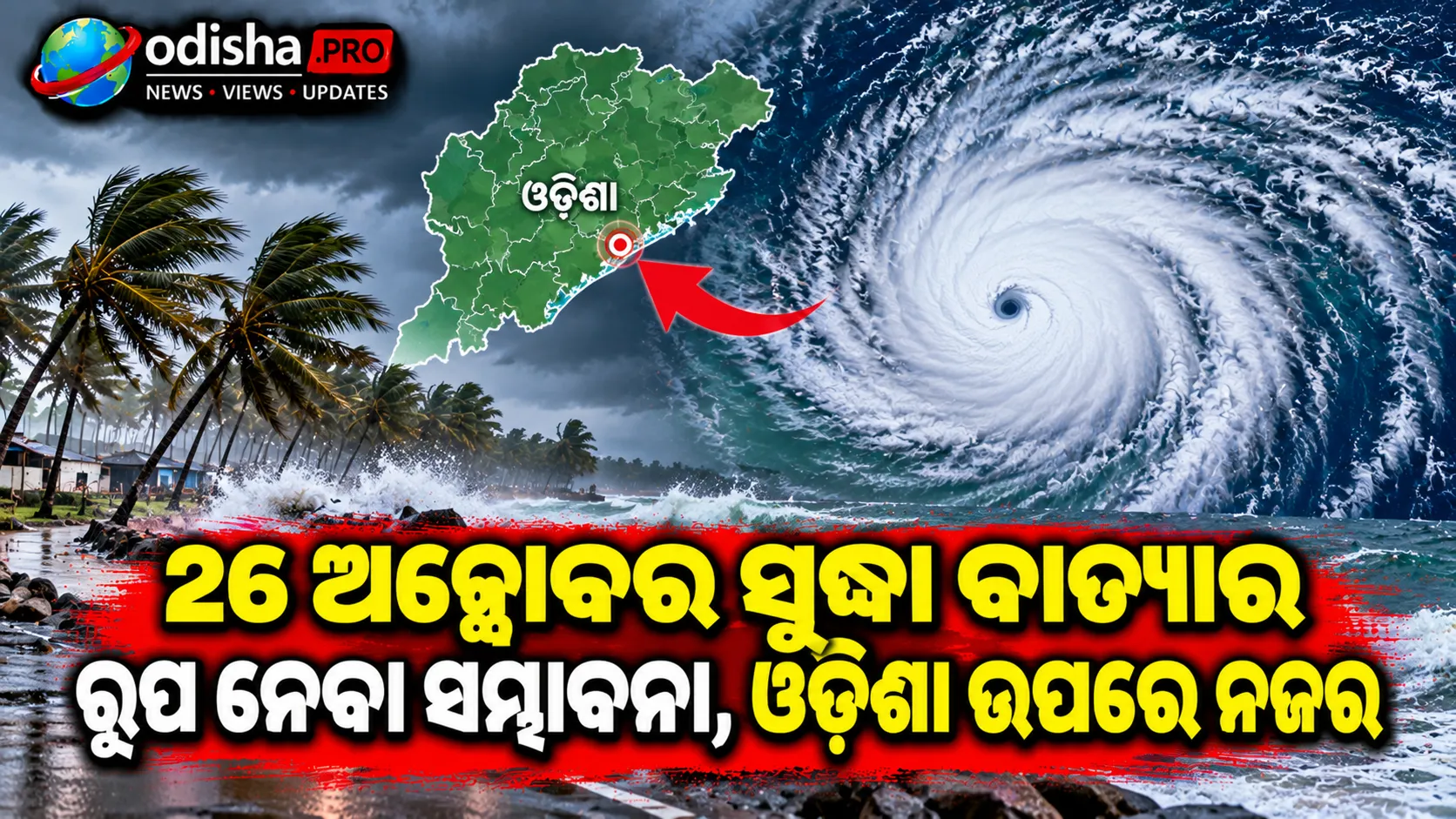
୨୬ ଅକ୍ଟୋବରରେ ବାତ୍ୟା ରୂପ ନେଇପାରେ IMDର ସଦ୍ୟତମ ବୁଲ...

କଟକ/ଭୁବନେଶ୍ୱର: ମାସିକ ୫ ହଜାର ଟଙ୍କା ଦରମାରୁ ସରକାରୀ ଚା...