







The United States of America and India have announced a framework for an Interim Agreement on reciprocal and mutually beneficial trade, reaffirming their commitment to finalize a broader U.S.–India Bilateral Trade Agreement (BTA). The joint announcement was issued on February 7, marking a significant milestone in the growing economic partnership between the two countries.
The framework builds on BTA negotiations initiated by U.S. President Donald J. Trump and Indian Prime Minister Narendra Modi on February 13, 2025. It focuses on expanding market access, ensuring balanced trade, strengthening supply chains, and enhancing strategic cooperation.
Under the proposed arrangement, India will eliminate or reduce tariffs on U.S. industrial goods and a wide range of agricultural and food products, including dried distillers’ grains, red sorghum for animal feed, tree nuts, fruits, soybean oil, wine, and spirits. In return, the United States will apply a reciprocal 18 percent tariff on selected Indian-origin goods such as textiles, leather, plastics, chemicals, home décor, and certain machinery. These tariffs may later be removed for specific sectors—including generic pharmaceuticals, gems and diamonds, and aircraft parts—subject to the successful conclusion of the Interim Agreement.
The agreement also addresses national security–related tariffs. The United States plans to remove certain tariffs on Indian aircraft and aircraft parts, while India will receive a preferential tariff rate quota for automotive parts under existing U.S. national security provisions. Decisions regarding pharmaceutical products will depend on the outcome of an ongoing U.S. investigation.
Both nations committed to resolving long-standing non-tariff barriers, particularly those affecting U.S. medical devices, ICT imports, and agricultural products entering the Indian market. India will evaluate acceptance of U.S. or international standards within six months of the agreement taking effect. Discussions on standards, conformity assessment, and regulatory cooperation will continue to improve trade compliance.
The framework includes safeguard provisions allowing either country to revise commitments if tariff conditions change. Meanwhile, negotiations toward a comprehensive Bilateral Trade Agreement will continue, with the United States considering India’s request for further tariff reductions.
In a broader push for economic security and innovation, India has expressed its intention to purchase approximately USD 500 billion worth of U.S. goods over the next five years, including energy resources, aircraft, precious metals, technology products, and coking coal. Both countries also plan to expand cooperation in advanced technologies, including data center components and graphics processing units (GPUs).
Additionally, the two sides pledged to address discriminatory practices in digital trade and work toward clear, ambitious digital trade rules as part of the future BTA.
The Interim Trade Agreement framework is being viewed as a historic step in strengthening U.S.–India economic relations and shaping the future of bilateral trade, technology collaboration, and global supply chain resilience.
ରକିଂ ଷ୍ଟାର୍ ୟଶଙ୍କ ଅଭିନୀତ‘Toxic: A Fairy Tale...
ଭାରତୀୟ ସିନେମାରେ ମହିଳାଙ୍କୁ କିପରି ଉପସ୍ଥାପନ କରାଯାଉଛି,...
ପ୍ୟାରିସରେପ୍ରିୟଙ୍କା ଚୋପ୍ରା ଓ ଜେନିଫର ଲରେନ୍ସଙ୍କ ଏକ ମଜ...
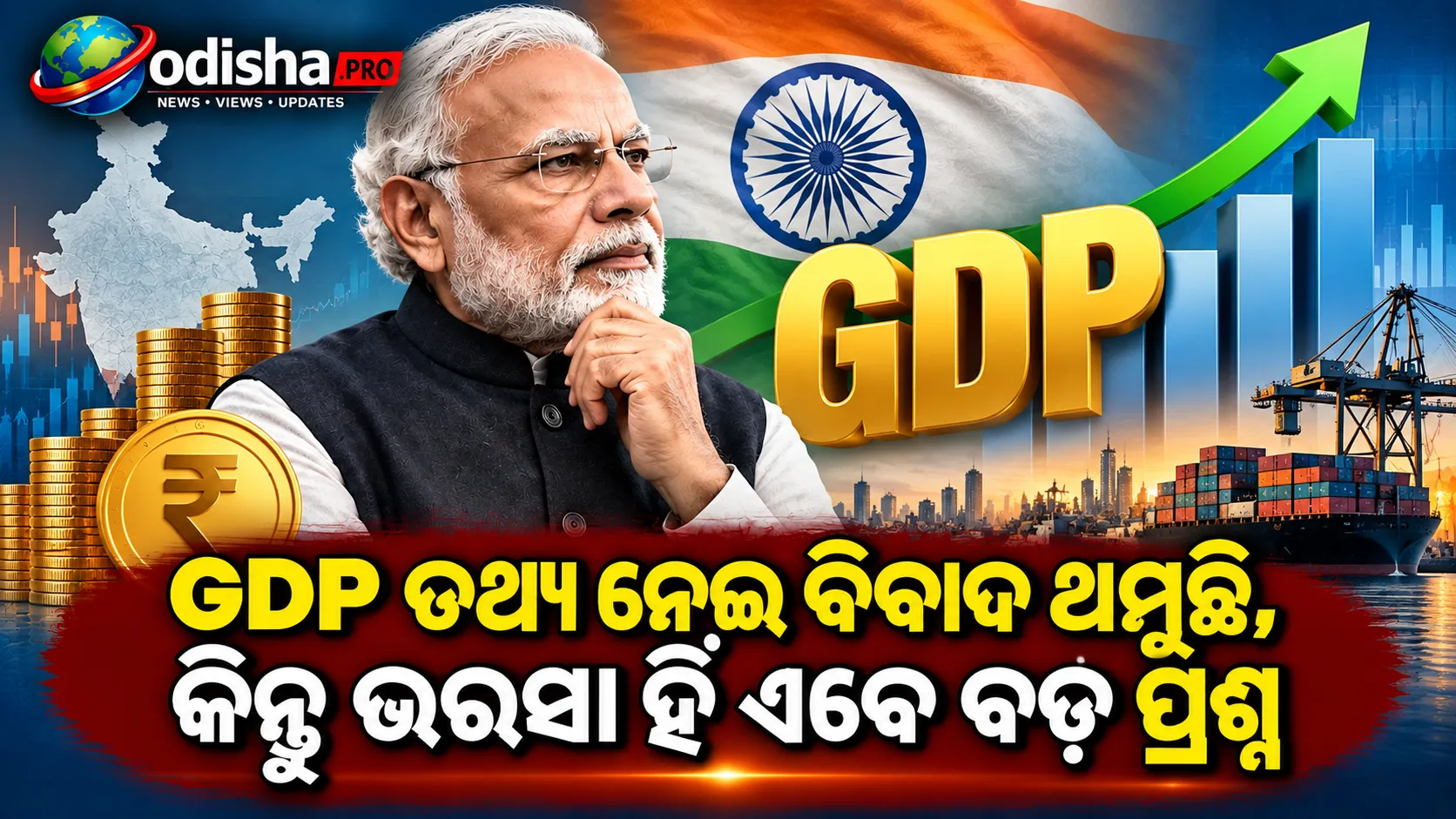
ଭାରତର ନୂଆ GDP ତଥ୍ୟକୁ ନେଇ ଚାଲିଥିବା ବିତର୍କ ଧୀରେ ଧୀରେ...
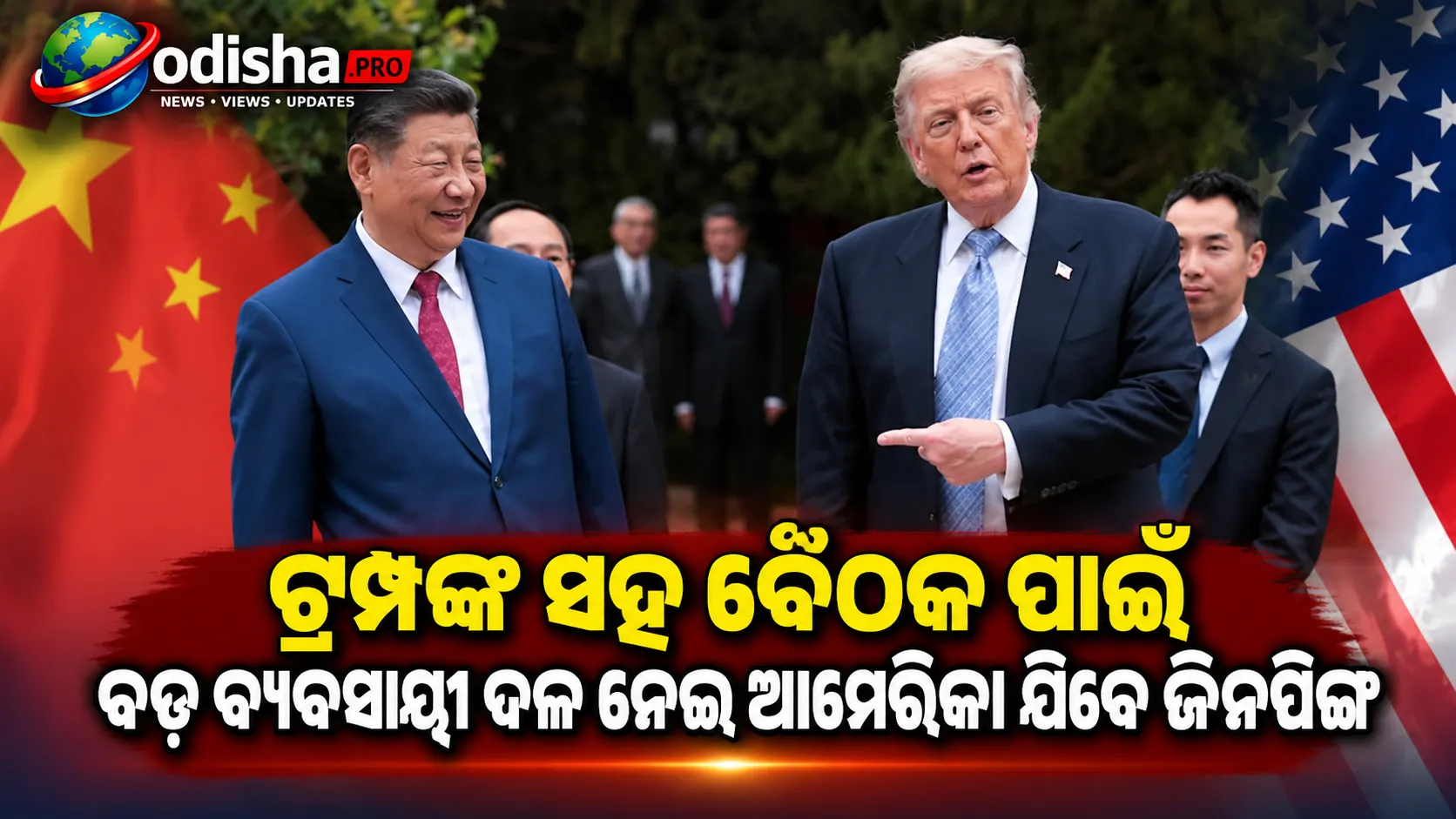
ଆମେରିକା-ଚୀନ୍ ବାଣିଜ୍ୟ ସମ୍ପର୍କ ମଧ୍ୟରେ ଆଉ ଏକ ବଡ଼ କୂଟନ...
‘ବିଗ୍ ବସ୍ ୨୦’ର ଗ୍ରାଣ୍ଡ ପ୍ରିମିୟର ଶୁଟିଂ...
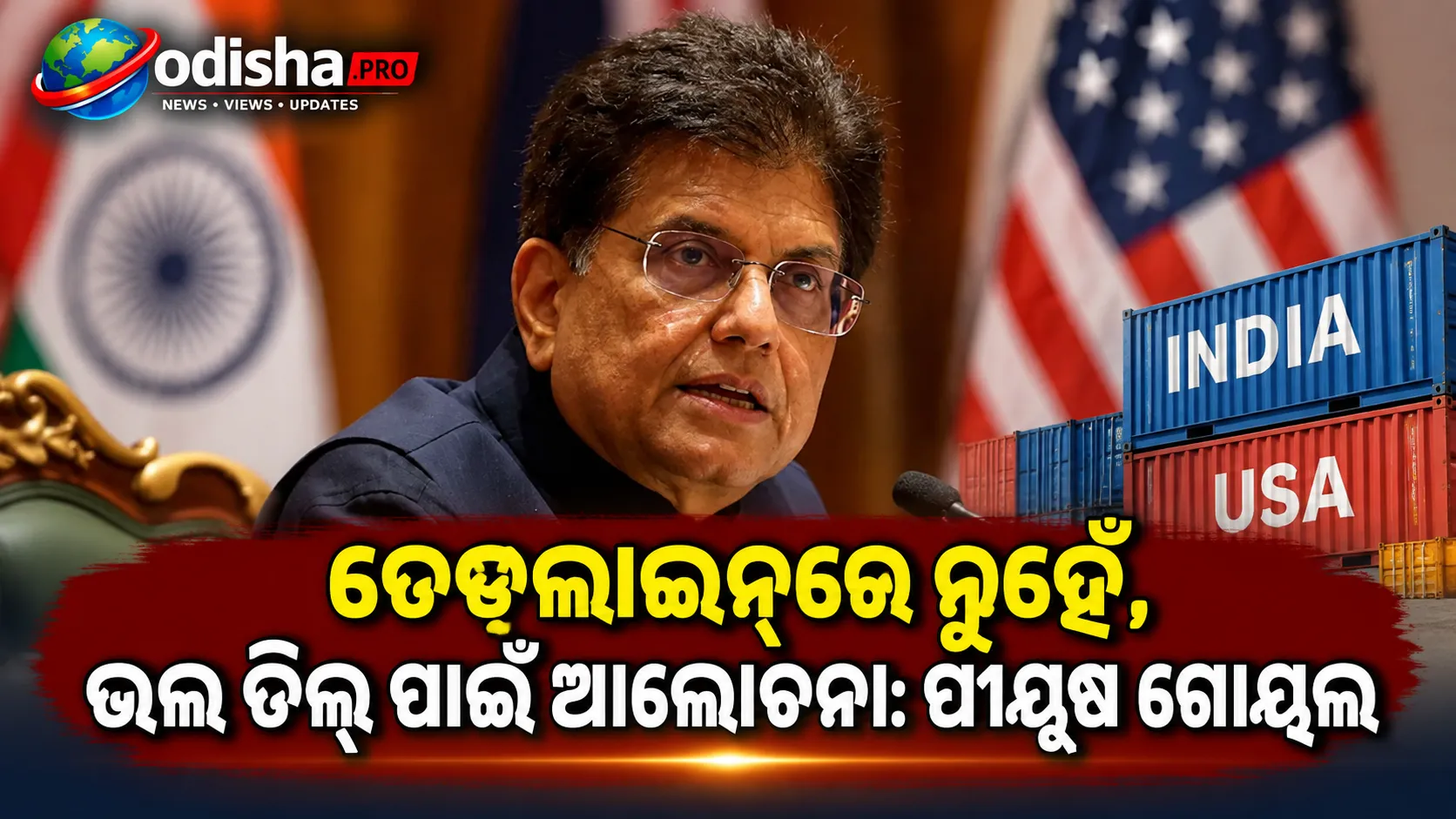
କେନ୍ଦ୍ର ବାଣିଜ୍ୟ ଓ ଶିଳ୍ପ ମନ୍ତ୍ରୀ ପୀୟୂଷ ଗୋୟଲ ଶୁକ୍ରବା...

Byju’sର ପ୍ୟାରେଣ୍ଟ କମ୍ପାନୀ **Think and Learn...