




The Economic Survey 2025-26 has cautioned that the unchecked rise of freebies, particularly unconditional cash transfers (UCTs) offered by Indian states, is beginning to impose visible economic and fiscal costs. Spending on UCTs has surged more than fivefold since FY23, reaching an estimated ₹1.7 lakh crore in FY26. Although these schemes—largely targeted at women—have provided immediate income support and boosted household consumption, the Survey finds that they have failed to generate durable improvements in nutrition, education or poverty alleviation.
Instead, the expansion of freebies has deepened revenue deficits, increased borrowing for consumption rather than asset creation, and crowded out critical capital expenditure. With committed expenditures such as salaries, pensions, interest payments and subsidies consuming nearly two-thirds of state revenues, fiscal space for infrastructure, health and education is shrinking. The Survey also flags a reduction in female labour force participation where cash transfers form a dominant share of household income.
The proliferation of freebies is driven by electoral incentives and welfare intent, but weak design—marked by unconditionality, lack of sunset clauses and absence of exit mechanisms—has turned temporary relief into permanent fiscal liabilities. To address this, the Economic Survey advocates a shift towards conditional and time-bound welfare programmes. It cites international examples from Brazil, Mexico and the Philippines, where cash transfers are linked to education, healthcare and regular monitoring.
The Survey’s core message is clear: welfare without accountability and outcomes is fiscally unsustainable. Going forward, freebies must be redesigned to support human capital formation while preserving fiscal discipline and space for long-term development.
ଦିଲ୍ଲୀର ନୂଆଦିଲ୍ଲୀ ବିଧାନସଭା ନିର୍ବାଚନମଣ୍ଡଳୀ AC-40ରେ...
ଉତ୍ତରାଖଣ୍ଡରୁ ଜଳବାୟୁ ପରିବର୍ତ୍ତନ ଓ ହିମାଳୟୀ ପରିବେଶରେ...
ଭାରତର ୧୪୦ କୋଟିରୁ ଅଧିକ ଲୋକଙ୍କୁ ହେଲ୍ଥକେୟାର ଯୋଗାଇବାରେ...
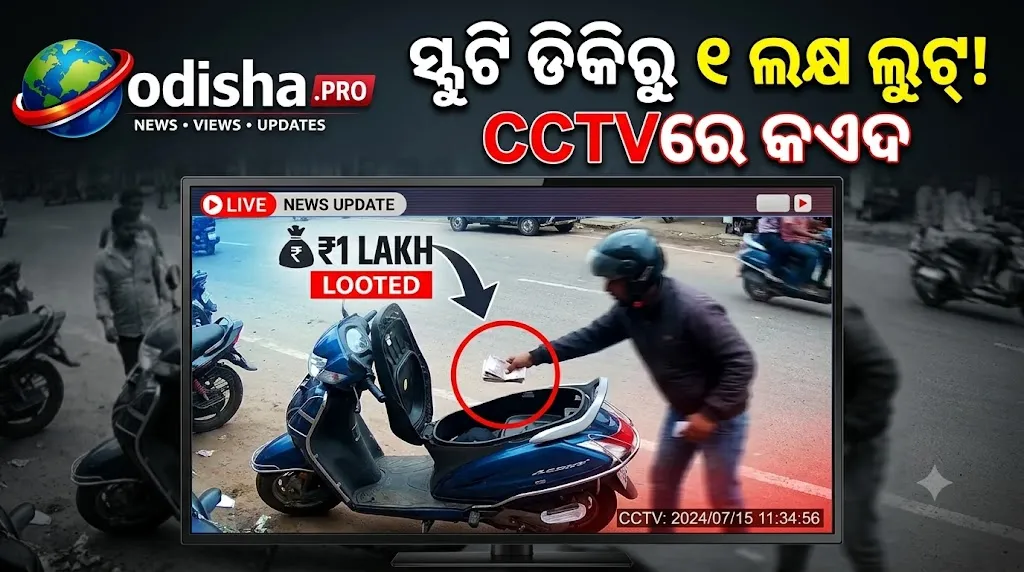
କେନ୍ଦ୍ରାପଡ଼ା ଜିଲ୍ଲା କୋରୁଆ ବଜାରରେ ଅବସରପ୍ରାପ୍ତ ଜଣେ ବ...
ଡେଙ୍ଗୁ ବିରୋଧରେ ଭାରତର ଟିକାକରଣ ପ୍ରୟାସରେ ଏକ ନୂଆ ଅଧ୍ୟା...
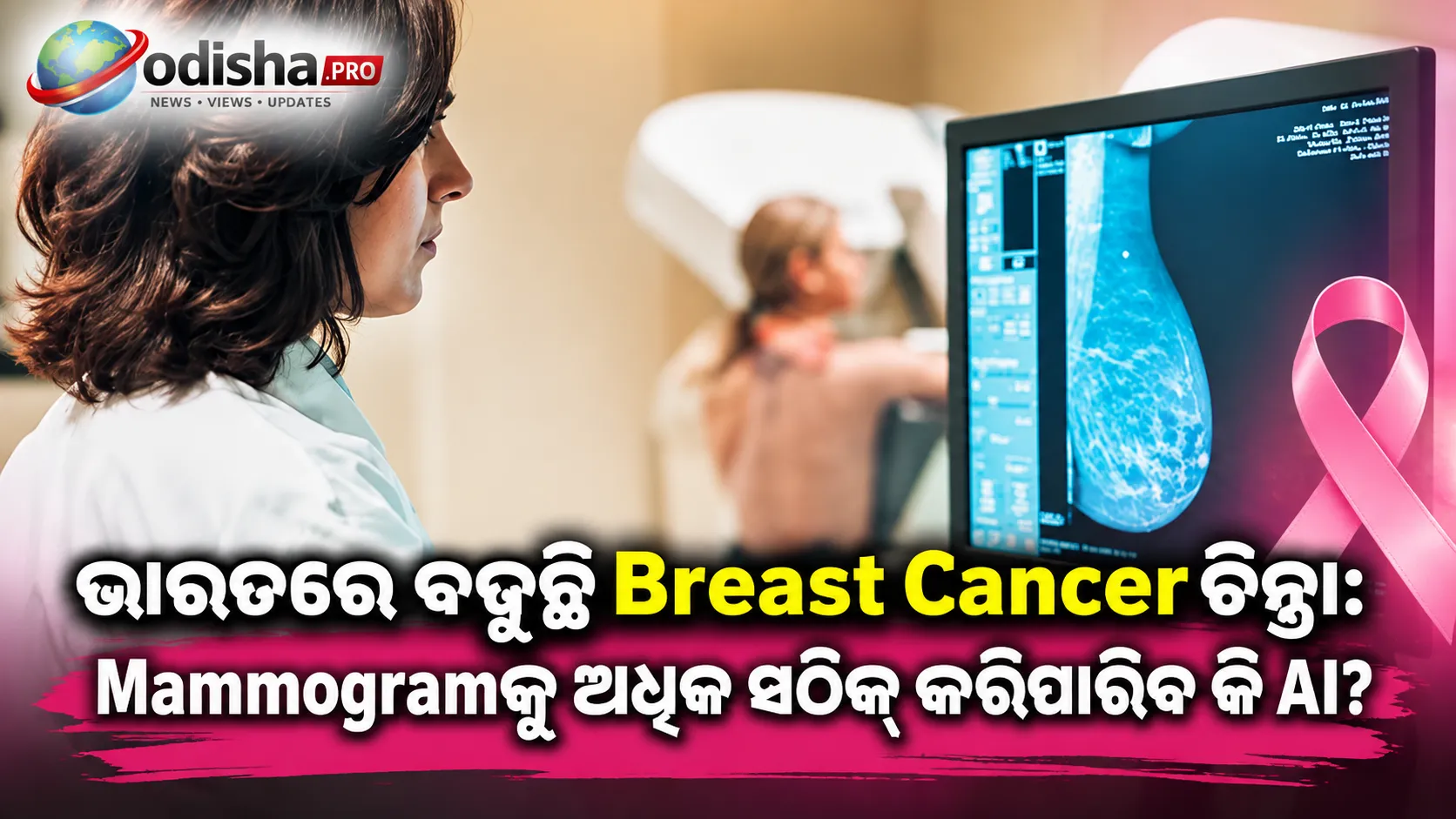
ଭାରତରେBreast Cancer ବା ସ୍ତନ କର୍କଟଏକ ଗୁରୁତର ସ୍ୱାସ୍ଥ...
ଭାରତର ଖାଦ୍ୟ ନିୟାମକFood Safety and Standards Author...
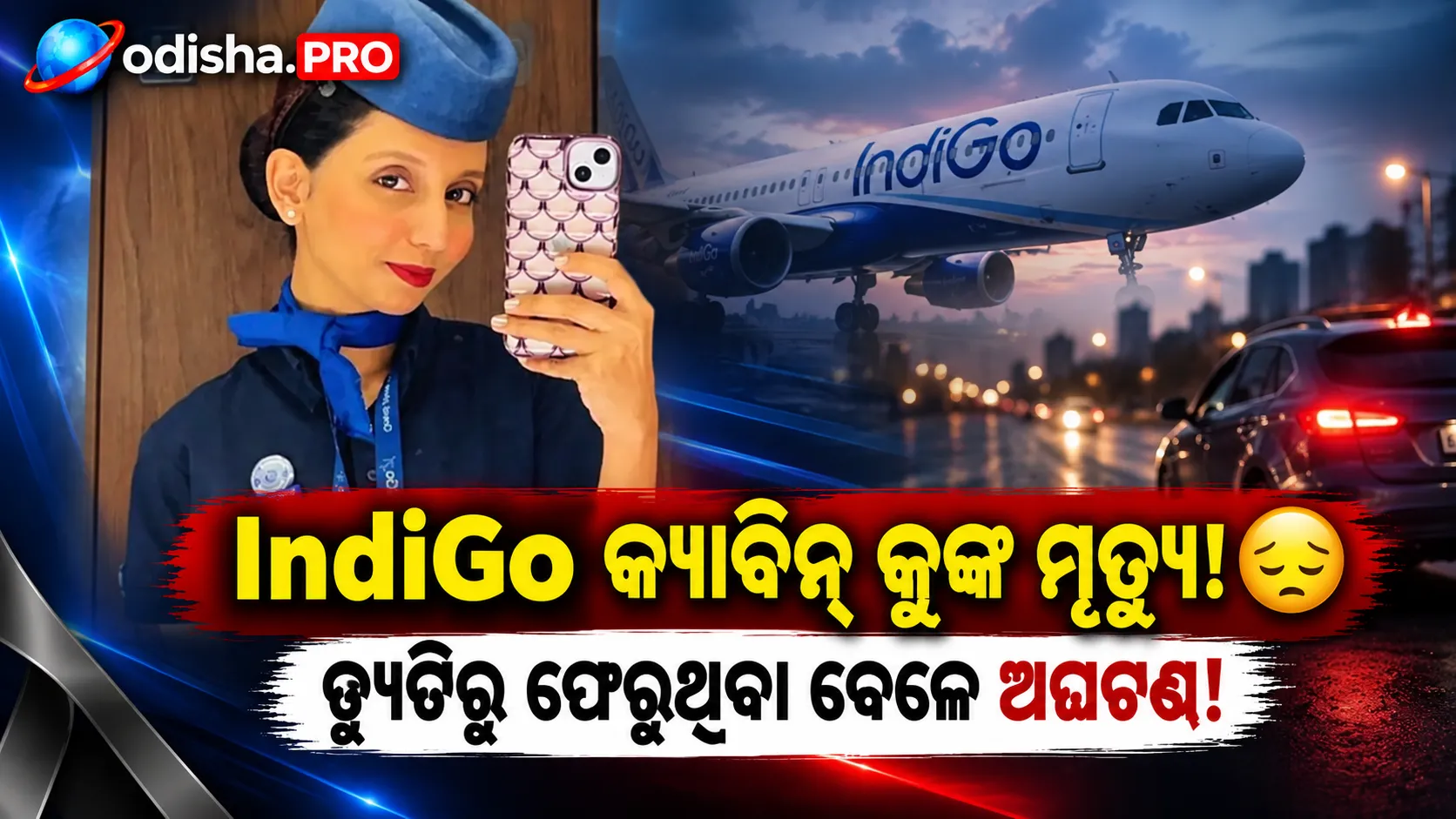
ମୁମ୍ବାଇରେ ଘଟିଥିବା ଏକ ସଡ଼କ ଦୁର୍ଘଟଣାରେ IndiGo କ୍ୟାବି...