



Few understand the cost of war like a soldier. Hindi cinema has often skirted this truth, favouring pageantry over consequence, bravado over reckoning.Ikkis, however, arrives as a rare correction. Sriram Raghavan’s first foray into the war genre is, at its core, a refusal of it. He is not interested in war’s spectacle; he is concerned only with what it takes from those who endure it.
Two moments crystallise this conscience. In one, a soldier lies dead while a radio beside him plays“Unko Yeh Shikayat Hai.”The song does not swell to mark tragedy; it simply continues. The indifference is devastating. Life does not pause for the fallen. Later, a mundane radio announces a ceasefire. There is no victory speech, no soaring score. Men erupt into movement: laughing, dancing, clutching one another. In a landscape of Hindi war films that often glorify the battlefield, Raghavan instead shows what it truly means to be on one: to want only to survive, to leave it behind, and to hope future generations never endure it.
At its heart,Ikkisis about homecoming. Brigadier Madan Lal Khetarpal (Dharmendra) returns to Lahore for the centenary celebrations of his college. Born in Sargodha, now part of Pakistan, he traverses a landscape scarred by history, visiting his ancestral home, now occupied by a Pakistani family. Casting Dharmendra is itself a layered, self-aware statement: he too experienced Partition’s upheaval, carrying memories of a childhood, first loves, and schooldays stolen by a collective tragedy. As one of the last superstars of his generation—alongside Dilip Kumar, Dev Anand, and Raj Kapoor—his life bore witness to this violence, infusing his cinema with a consciousness that balanced grief and humanity.Ikkisthus arrives at a precise moment, where the old guard fades, and the new guard, led by films likeDhurandhar, envisions anaya Bharat.
For Dharmendra’s Madan Lal, much has changed, yet a sense of home endures. Even simple details, like the tree in his childhood backyard, recall continuity amidst transformation. Brigadier Nisar (Jaideep Ahlawat) echoes this sentiment to his daughter: “He is home.” Arun Khetarpal (Agastya Nanda), Madan Lal’s grandson, experiences a similar realisation during the 1971 Indo-Pak war. As a 21-year-old lieutenant crossing into Pakistan, he is struck by the eerie familiarity of the land—its contours, its textures—recalling Yash Chopra’s repeated explorations of Partition’s legacy in films likeVeer-Zaara, where Zaara observes, “Yaha bhi wahi sham hai, wahi savera; Aisa hi desh hai mera jaisa desh hai tera.” The familiar and the foreign collapse into one.
On the battlefield, Arun experiences moments of profound recognition and grief: witnessing colleagues fall, facing the incomprehensibility of war when asked to describe it. Through both generations—the elder returning to a past fractured by Partition, the younger navigating the brutal realities of 1971—Ikkiscaptures the intimate, human cost of conflict, reminding viewers that the true measure of war is not glory, but survival, memory, and home.

ସକ୍ରିୟ ମୌସୁମୀ ବାୟୁ ପ୍ରଭାବରେ ଓଡ଼ିଶାର ବିଭିନ୍ନ ସ୍ଥାନର...
ଉଚ୍ଚଶିକ୍ଷା ଅନୁଷ୍ଠାନଗୁଡ଼ିକରେ ନିଯୁକ୍ତି ପ୍ରକ୍ରିୟାକୁ ଅ...

ଗଜପତି ଜିଲ୍ଲାର ମୋହନା କମ୍ୟୁନିଟି ହେଲ୍ଥ ସେଣ୍ଟର (ସିଏଚ୍ସ...

ଅନଲାଇନ୍ ସପିଂ ବର୍ତ୍ତମାନ ସମୟରେ ଦୈନନ୍ଦିନ ଜୀବନର ଏକ ଅଂଶ...

ଲଘୁଚାପ ପ୍ରଭାବରେ ଲଗାଣ ବର୍ଷା ଯୋଗୁଁ ଢେଙ୍କାନାଳ ଜିଲ୍ଲାର...
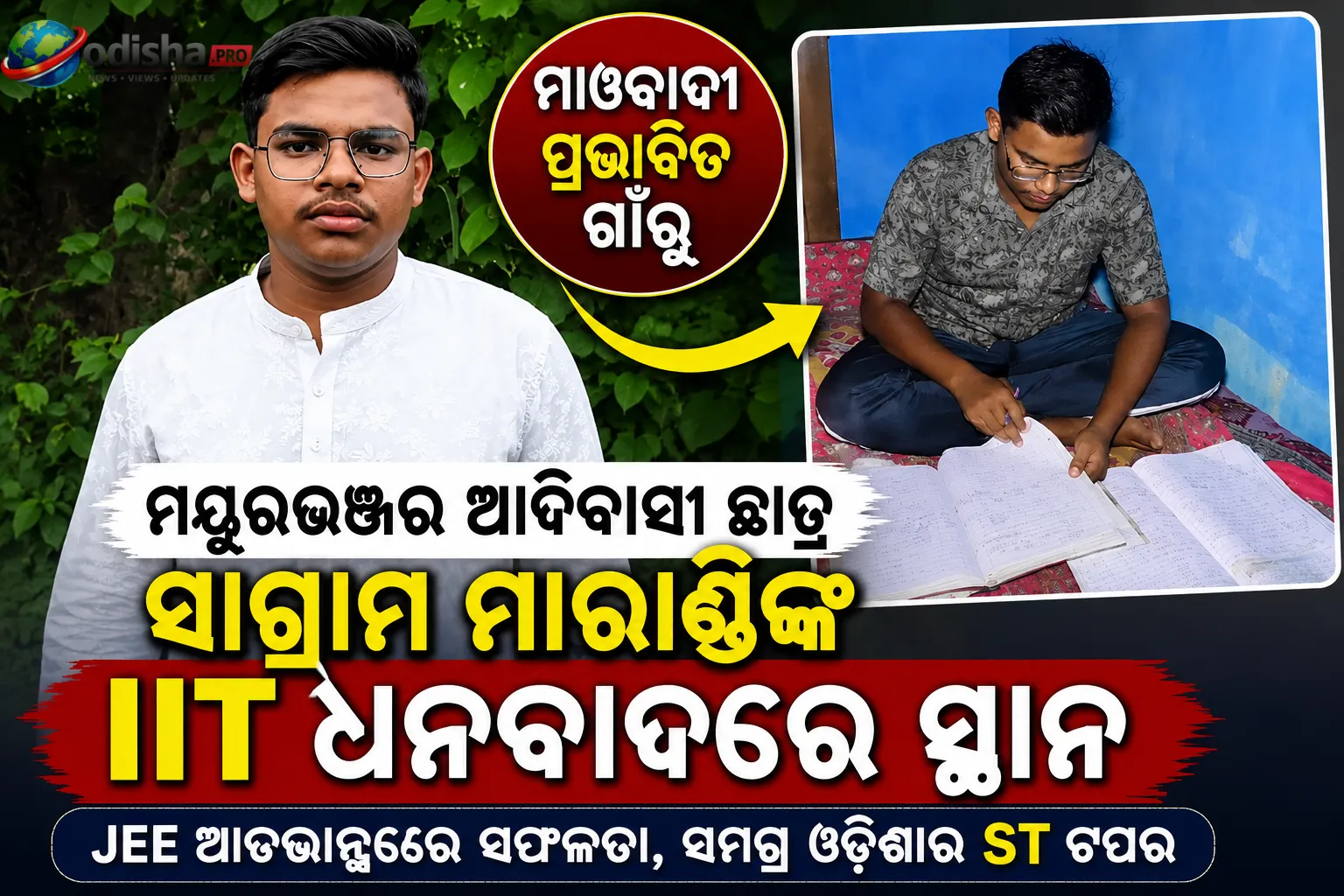
ମାଓବାଦୀ ପ୍ରଭାବିତ ଅଞ୍ଚଳରୁ ଆସିଥିବା ଜଣେ ଆଦିବାସୀ ଛାତ୍ର...

ବର୍ଷା ଋତୁ ଆସିବା ସହ ଦେଶର ବିଭିନ୍ନ ଅଞ୍ଚଳରେ ଭାଇରାଲ୍ ସଂ...

ଓଡ଼ିଶାରେ କୋଭିଡ୍-୧୯ ମାମଲାକୁ ନେଇ ଜନସ୍ୱାସ୍ଥ୍ୟ ବିଭାଗ ପ...
APAAR (Automated Permanent Academic Account Regist...

ରାଜ୍ୟରେ ଲଗାଣ ବର୍ଷା ଜାରି ରହିଥିବା ବେଳେ ବାଲେଶ୍ୱର ଜିଲ୍...

ଦିଲ୍ଲୀ-ଏନ୍‌ସିଆରରେ ପାଗରେ ହଠାତ୍ ପରିବର୍ତ୍ତନ ଦେଖା...
ରାଜଧାନୀ ଦିଲ୍ଲୀର ଜନ୍ତରମନ୍ତରରେ ଛାତ୍ରଛାତ୍ରୀଙ୍କ ବିରୋଧ...