










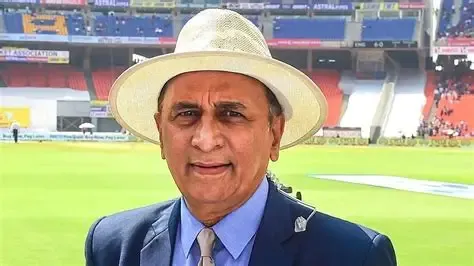
Former India captain Sunil Gavaskar has delivered a sharp rebuttal to the criticism surrounding India’s position in the ongoing Pakistan boycott controversy, drawing a clear distinction between genuine dominance on the cricket field and what he described as manufactured outrage off it. Writing in his column for Sportstar, Gavaskar took aim at reactions from sections of the traditional cricketing powers, without directly naming former England captain Nasser Hussain.
Gavaskar suggested that India’s rise as the centre of power in world cricket has not been well received by some former heavyweights of the game. He wrote that these voices were quick to join the debate and question whether the ICC would have accepted India’s position had it refused to play in a particular country, implying bias and undue influence.
The remarks came in response to Hussain’s comments on Sky Sports, where the former England skipper questioned the ICC’s handling of the situation and India’s influence within the governing body. Hussain praised Bangladesh for standing firm in support of Mustafizur Rahman and accused the ICC of hypocrisy for not agreeing to relocate Bangladesh’s matches. He suggested that a similar request from India would have been accepted and urged the BCCI to acknowledge the responsibility that comes with its financial strength.
Countering these claims, Gavaskar pointed to India’s refusal to tour Pakistan for last year’s Champions Trophy, noting that the decision was communicated well in advance, even before the draw and venues were finalised. He stressed that no Indian government would permit its cricketers to travel to Pakistan, making the decision a matter of national policy rather than cricketing politics. The ICC, he added, had responded by scheduling India’s matches at a neutral venue, the UAE.
Gavaskar also cited the 2003 World Cup as a historical precedent, recalling England’s decision to forfeit their match against Zimbabwe in protest against the Robert Mugabe regime. He argued that despite the absence of any security threat, England faced no sanctions, highlighting what he described as selective outrage and double standards. According to Gavaskar, similar dynamics are at play today, with criticism disproportionately aimed at the BCCI despite broader ICC voting realities.
He further noted that even the ICC representative from the critics’ camp voted against Bangladesh’s request to relocate matches, yet the blame continued to be pinned solely on India. Gavaskar described this as striking hypocrisy, arguing that decision-making within the ICC is collective, not unilateral.
To underline his argument, Gavaskar turned to on-field action, referencing 14-year-old Vaibhav Suryavanshi’s sensational innings in the ICC Under-19 World Cup final. Suryavanshi’s blistering 175 off 80 balls against England powered India to 411 and effectively decided the contest. Gavaskar described this performance as the only real example of “bullying,” contrasting genuine cricketing dominance with what he termed imaginary accusations in the administrative and political debate.
By invoking the teenager’s historic knock, Gavaskar sought to separate sporting excellence from off-field narratives, framing India’s rise as a result of performance rather than power politics.
ଅଦାନୀ ଗ୍ରୁପ୍‌ର ଅଦାନୀ ଏନର୍ଜି ସଲ୍ୟୁସନ୍ସ ଲିମିଟେଡ...
ଦିଲ୍ଲୀର ଜନ୍ତର ମନ୍ତରରେ **‘କୋକରୋଚ୍ ଜନତା ପାର୍ଟି...

ରଥଯାତ୍ରା ସମୟରେ ପୁରୀରେ ନିଶା କାରବାର ଉପରେ କଡ଼ା ନଜର ରଖ...
ଓଡ଼ିଶାକୁ ମିଳିଛି ଆଉ ଏକ ବଡ଼ ଶିଳ୍ପ ପ୍ରକଳ୍ପ। କେନ୍ଦ୍ର ସ...
ଓଡ଼ିଶାରେ କୋଭିଡ୍-୧୯ ମାମଲାକୁ ନେଇ ଜନସ୍ୱାସ୍ଥ୍ୟ ବିଭାଗ ପ...
ସାଗରମାଳା କାର୍ଯ୍ୟକ୍ରମ ଅଧୀନରେ ଓଡ଼ିଶା ଦେଶର ଅଗ୍ରଣୀ ରାଜ...
ଗଜପତି ଜିଲ୍ଲାର ମୋହନା କମ୍ୟୁନିଟି ହେଲ୍ଥ ସେଣ୍ଟର (ସିଏଚ୍ସ...
ଅନଲାଇନ୍ ସପିଂ ବର୍ତ୍ତମାନ ସମୟରେ ଦୈନନ୍ଦିନ ଜୀବନର ଏକ ଅଂଶ...
ଆମେରିକା ଓ ଇରାନ ମଧ୍ୟରେ ବଢ଼ୁଥିବା ସାମରିକ ସଂଘର୍ଷର ପ୍ରଭ...
ବର୍ଷା ଋତୁ ଆସିବା ସହ ଦେଶର ବିଭିନ୍ନ ଅଞ୍ଚଳରେ ଭାଇରାଲ୍ ସଂ...

ଫିଲ୍ମୀ ଶୈଳୀରେ ଏକ ହୀରା ଚୋରି ଘଟଣା ଏବେ ଚର୍ଚ୍ଚାର ବିଷୟ...

ସାଇବର ଠକମାନେ ଏବେ ସୋସିଆଲ ମିଡିଆ ପ୍ଲାଟଫର୍ମ ‘X&r...