






A social media post by a son alleging that his mother’s health insurance claim was unfairly denied has sparked widespread debate and drawn an official response from Star Health and Allied Insurance.
The issue began when the man shared his experience on X, stating that he had been paying approximately Rs 50,000 annually as premium for his mother’s policy. When she fell ill, he approached the company’s Lucknow office for assistance with the claim. He alleged that he was made to wait for hours and that the claim was ultimately denied. He further claimed that an agent made an insensitive remark, questioning why the policy had not been purchased after consulting them.
The post quickly gained traction online, with many users expressing concern about whether regular premium payments guarantee smooth claim settlements during medical emergencies.
In a statement issued to India Today, Star Health said it recognises that health-related matters can be emotionally challenging. However, the company firmly rejected what it described as an “inaccurate and incomplete portrayal” of the incident.
The insurer stated that during the claim assessment, available medical records indicated a potential pre-existing medical condition relevant to the case. According to the company, supporting documentation was formally requested but was not provided despite follow-up communications.
Star Health clarified that the claim decision was made strictly in accordance with policy terms and conditions and asserted that the conclusion is fully backed by documentary evidence.
In health insurance policies, non-disclosure or incomplete disclosure of pre-existing diseases can lead to claim rejection, depending on the policy wording and applicable waiting periods. During claim evaluation, insurers review hospital records, past prescriptions, and medical history. If evidence suggests that a condition existed before policy purchase and was not declared, disputes can arise.
Such cases often become contentious because policyholders may believe they disclosed all relevant details, while insurers rely strictly on documented information in proposal forms and medical records.
The episode has reignited discussion about India’s health insurance ecosystem. While policy purchase is straightforward, claim settlement involves detailed scrutiny of disclosures, medical evidence, and contractual clauses. For families facing hospitalisation, a rejection can feel abrupt and unfair. For insurers, decisions are governed by policy language and regulatory norms.
With both the viral allegation and the company’s response now public, the case underscores the importance of accurate disclosure, proper documentation, and written communication during policy purchase and claim filing. It also reflects wider anxiety among policyholders concerned about how technical grounds, such as pre-existing conditions, may impact claim outcomes.
As online discussions continue, the central question remains: is buying health insurance easier than successfully claiming it?
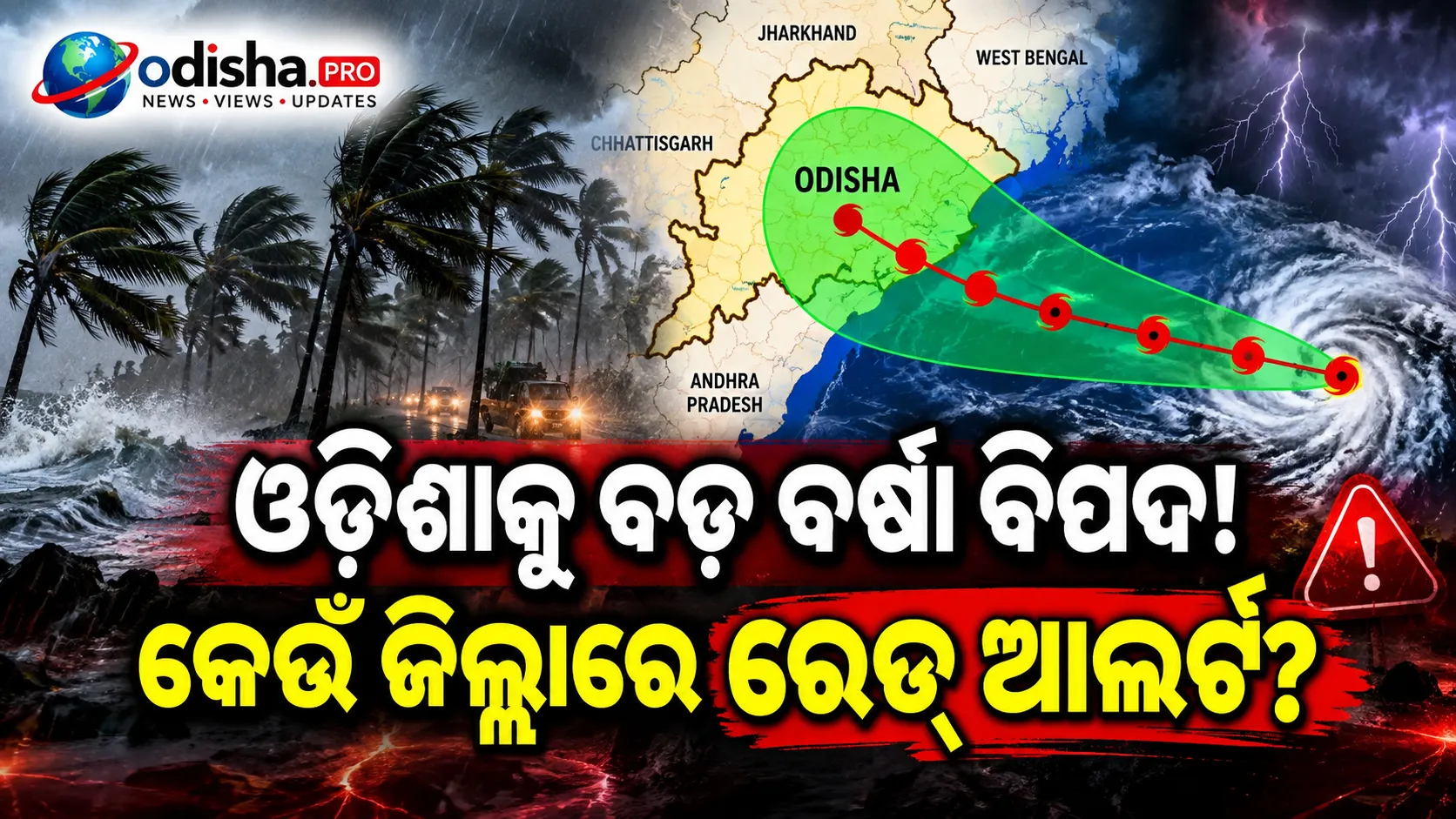
ଓଡ଼ିଶାରେ ଆସନ୍ତା କିଛି ଦିନରେ ପ୍ରବଳ ବର୍ଷାକୁ ନେଇ ପ୍ରଶା...

ଗଜପତି: ବଙ୍ଗୋପସାଗରରେ ସୃଷ୍ଟି ହୋଇଥିବା ଅବପାତର ପ୍ରଭାବରେ...
ଲକ୍ଷ୍ନୌ: ଉତ୍ତରପ୍ରଦେଶରେ ଆମ୍ବେଦକରଙ୍କ ପ୍ରତିମୂର୍ତ୍ତି ଭ...

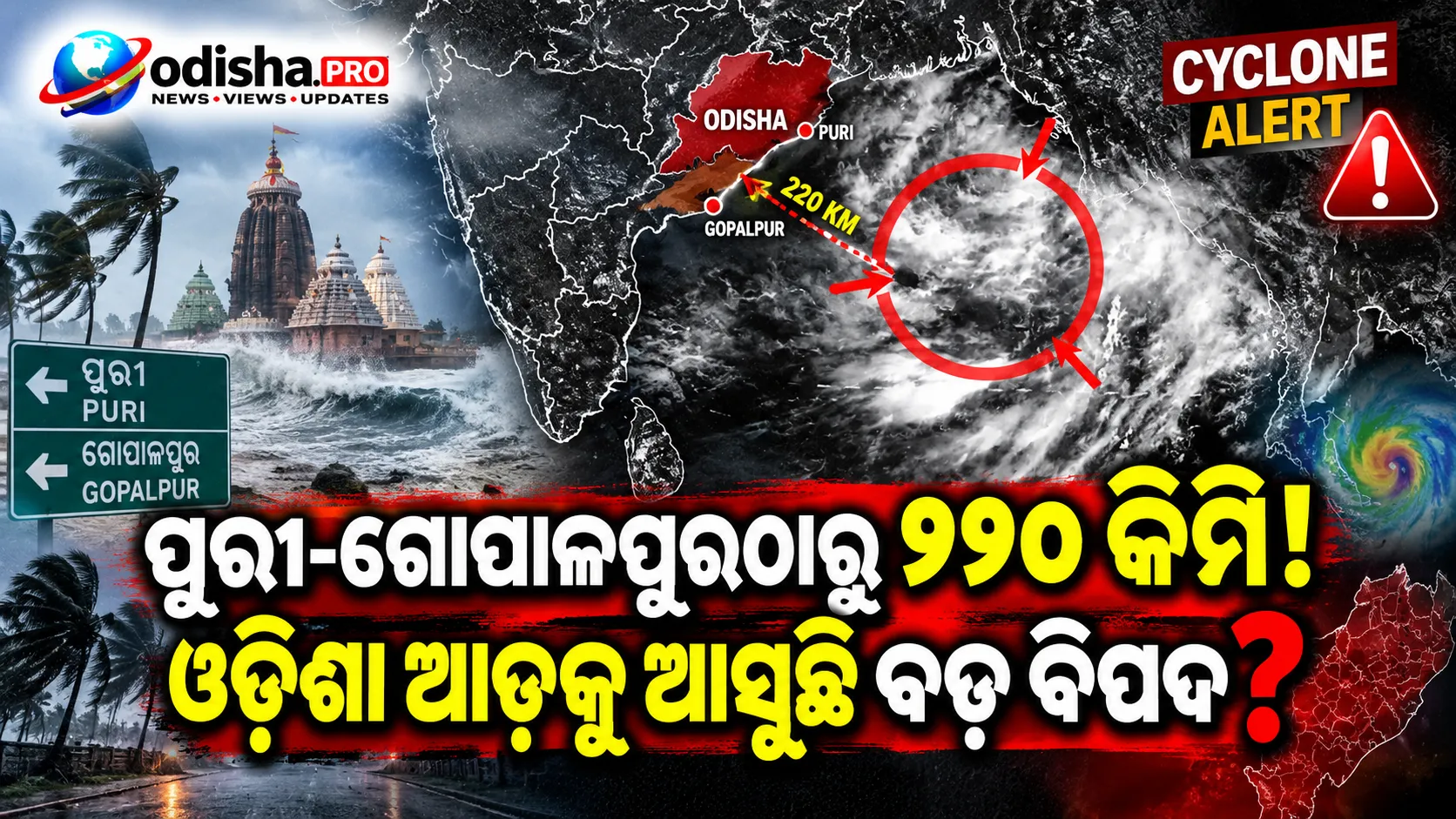
ଭୁବନେଶ୍ୱର: ଓଡ଼ିଶା ଉପକୂଳ ନିକଟ ଗଭୀର ସମୁଦ୍ରରେ ଭାରତର ତ...
ଭୁବନେଶ୍ୱର: ବଙ୍ଗୋପସାଗରରେ ଗଠିତ ଅବପାତ ଏବେ ଓଡ଼ିଶା ପାଇଁ...
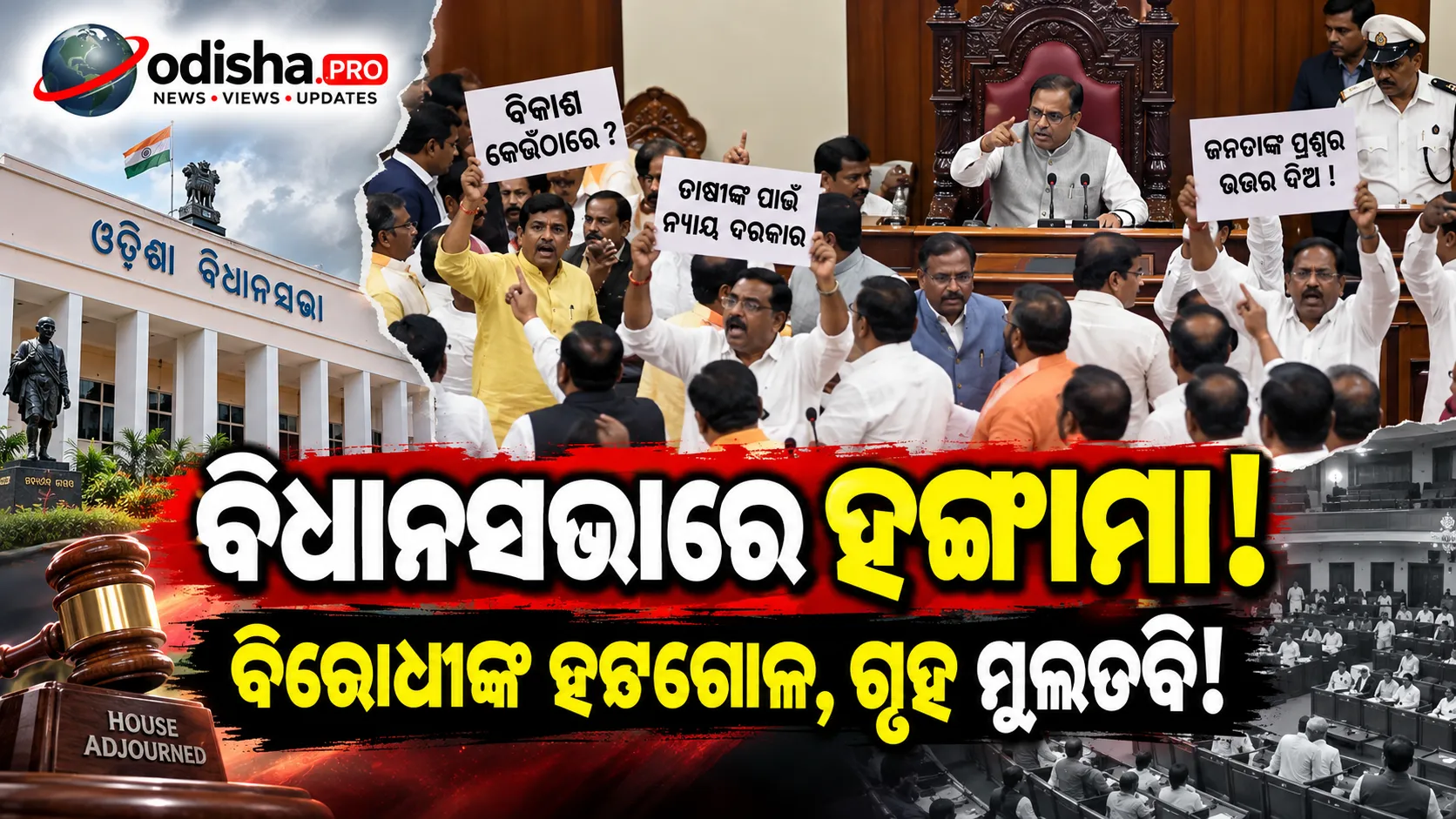
ଭୁବନେଶ୍ୱର: ଓଡ଼ିଶା ବିଧାନସଭାର ମୌସୁମୀ ଅଧିବେଶନର ପ୍ରଥମ...
ଭୁବନେଶ୍ୱର: ବଙ୍ଗୋପସାଗରରେ ସୃଷ୍ଟି ହୋଇଥିବା ଅବପାତ ଏବେ ଓ...
ଓଡ଼ିଶାରେ ଆଗାମୀ କିଛି ଦିନରେ ବର୍ଷାର ପ୍ରକୋପ ଆହୁରି ବଢ଼ି...
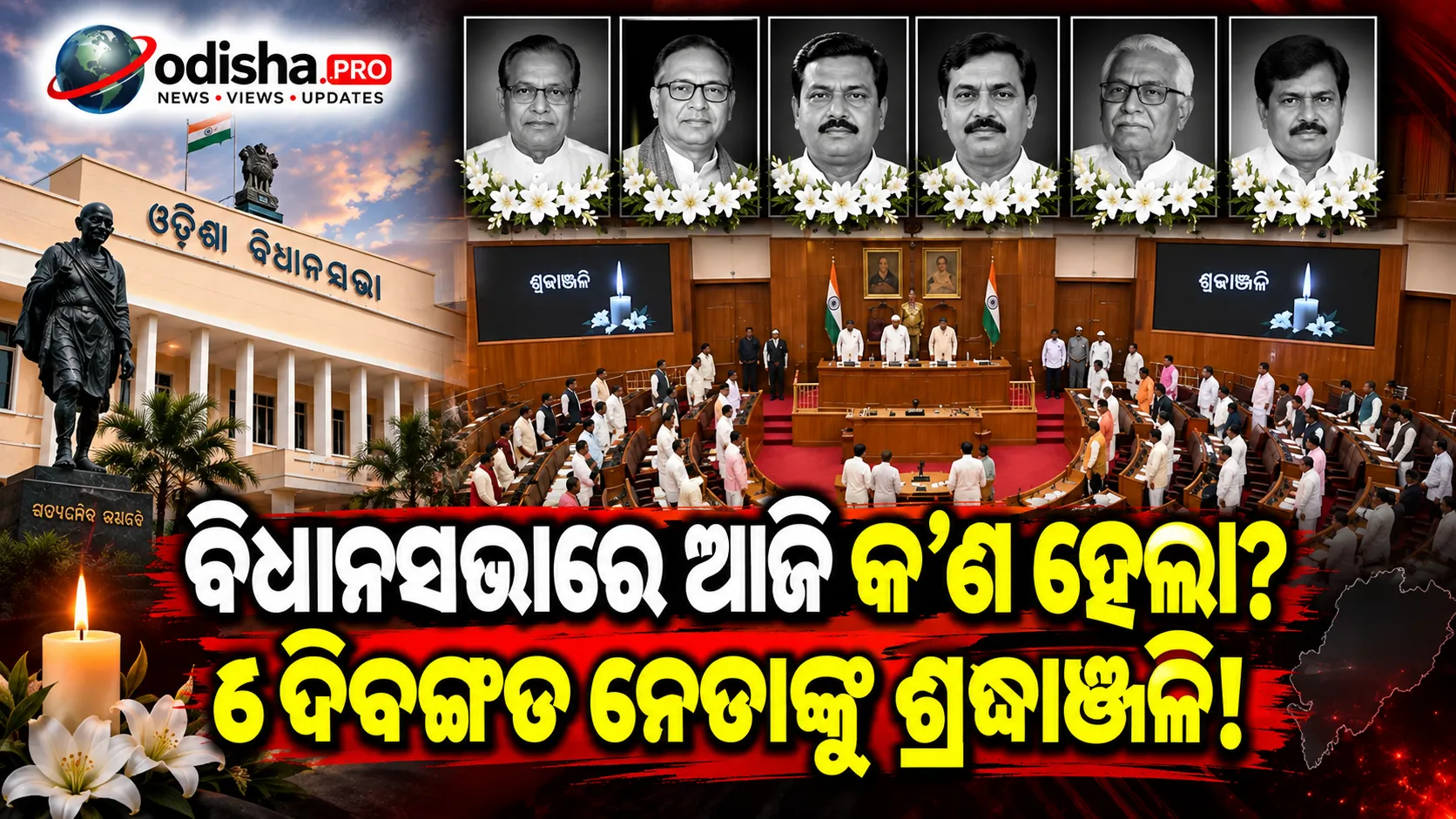
ଭୁବନେଶ୍ୱର: ଆରମ୍ଭ ହୋଇଛି ଓଡ଼ିଶା ବିଧାନସଭାର ମୌସୁମୀ ଅଧି...
କେରଳ ବିଶ୍ୱବିଦ୍ୟାଳୟରେ ଛାତ୍ର ରାଜନୀତିକୁ ବନ୍ଦ କରିବା ନେ...