







Space Gen: Chandrayaan, produced by TVF and directed by Anant Singh, revisits one of the most emotionally charged moments in India’s modern scientific history—the night in 2019 when communication was lost with the Vikram lander during Chandrayaan-2’s final descent. The series begins at that point of collective silence and disappointment, using it as the emotional foundation for a story about failure, resilience, and the long road back to success with Chandrayaan-3.
Spread across five episodes, the show attempts to shift the spotlight away from rockets and equations to the people behind the mission—the scientists who faced public scrutiny, internal doubt, and political pressure, yet chose to return to the launchpad. At its core is Arjun Verma, played by Nakuul Mehta, a navigation systems expert whose professional journey is deeply shaped by personal loss. His father, a soldier killed during the Kargil War due to inadequate satellite support, becomes the emotional trigger for Arjun’s determination to build self-reliant space technology for India. The symbolic connection between his father’s name, Vikram, and the lunar lander he now oversees adds emotional weight to the mission, making the failure of Chandrayaan-2 feel intensely personal.
Shriya Saran’s Yamini, the project director, anchors the series with a measured performance as she struggles to keep a fractured team together in the aftermath of failure. The show introduces a Failure Analysis Committee arc that explores how scientific institutions are questioned and scrutinised when things go wrong, adding a layer of procedural tension. However, as the narrative progresses, the storytelling begins to feel uneven. Emotional confrontations are frequent, meetings often devolve into blame games, and the show leans heavily into heightened drama, leaving little room for subtle or introspective moments.
While later episodes touch upon significant challenges surrounding Chandrayaan-3—including budget constraints, political interference, the Covid-19 pandemic, and global competition in lunar exploration—the limited runtime works against the story. These crucial elements are introduced but not explored in depth, making the series feel rushed despite the scale and importance of the subject.
Performances across the board are mixed. Shriya Saran brings stability and restraint, while Prakash Belawadi, as ISRO chief Sudarshan, offers a calm presence that contrasts with the surrounding chaos, though his character is underwritten. Nakuul Mehta struggles at times with tonal consistency, occasionally slipping into overacting. Supporting characters, including Danish Sait’s underutilised role and Gopal Datt’s persistently antagonistic Mohanty sir, add uneven layers to the narrative, with some conflicts feeling exaggerated rather than organic.
Space Gen: Chandrayaanis most effective when it focuses on teamwork, collective responsibility, and the idea of starting over after failure. It remains a watchable series for viewers interested in India’s space journey and the human cost of scientific ambition. However, despite its sincerity and strong premise, the show never fully takes flight. The real story of Chandrayaan deserved more breathing room, quieter moments, and a lighter dramatic touch to truly honour the spirit of the mission.
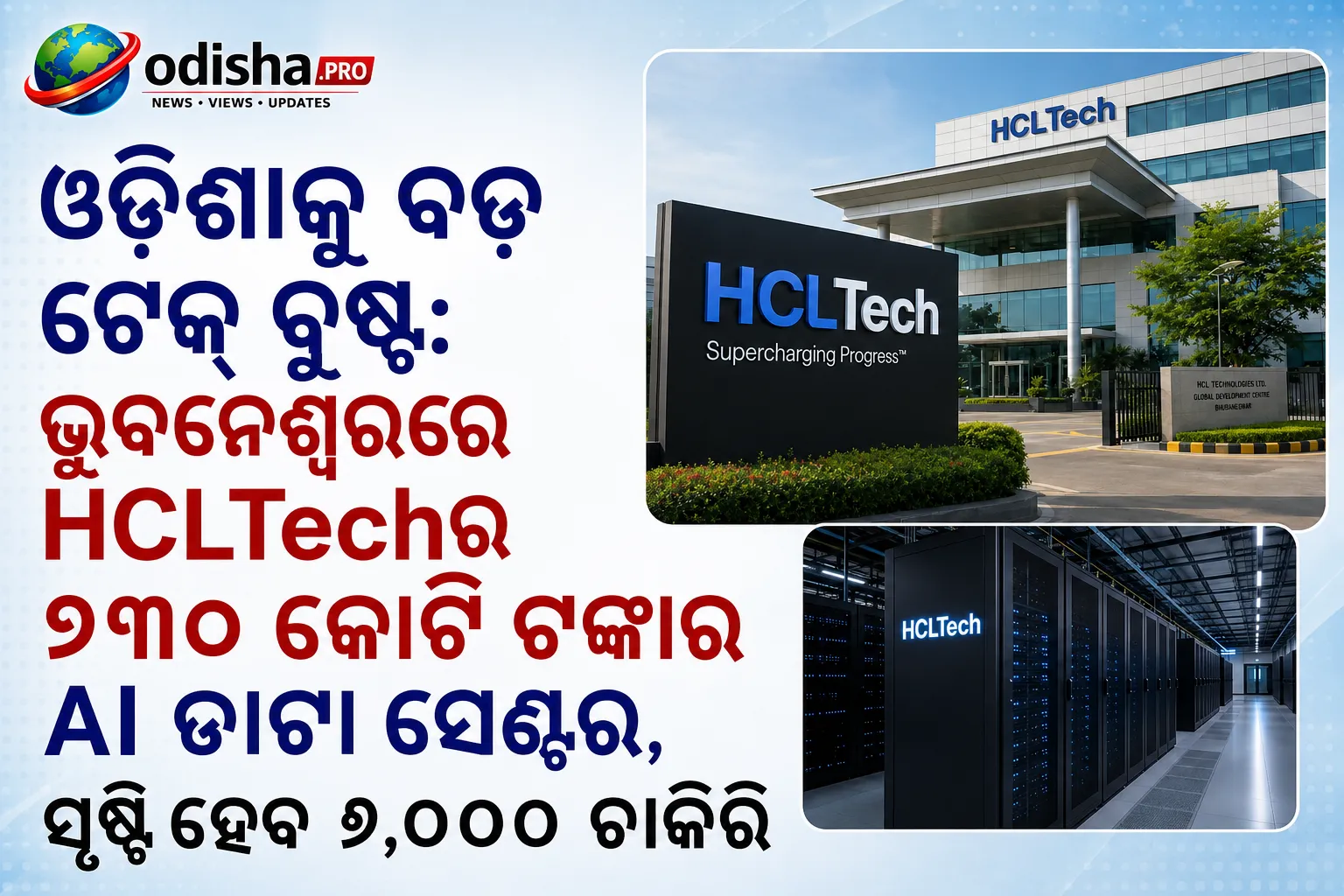
ଓଡ଼ିଶାର ଦ୍ରୁତ ବିକାଶଶୀଳ ପ୍ରଯୁକ୍ତି ପରିବେଶ ପାଇଁ ଏକ ବଡ...
ଓଡ଼ିଶାକୁ ମିଳିଛି ଆଉ ଏକ ବଡ଼ ଶିଳ୍ପ ପ୍ରକଳ୍ପ। କେନ୍ଦ୍ର ସ...
ସାଗରମାଳା କାର୍ଯ୍ୟକ୍ରମ ଅଧୀନରେ ଓଡ଼ିଶା ଦେଶର ଅଗ୍ରଣୀ ରାଜ...
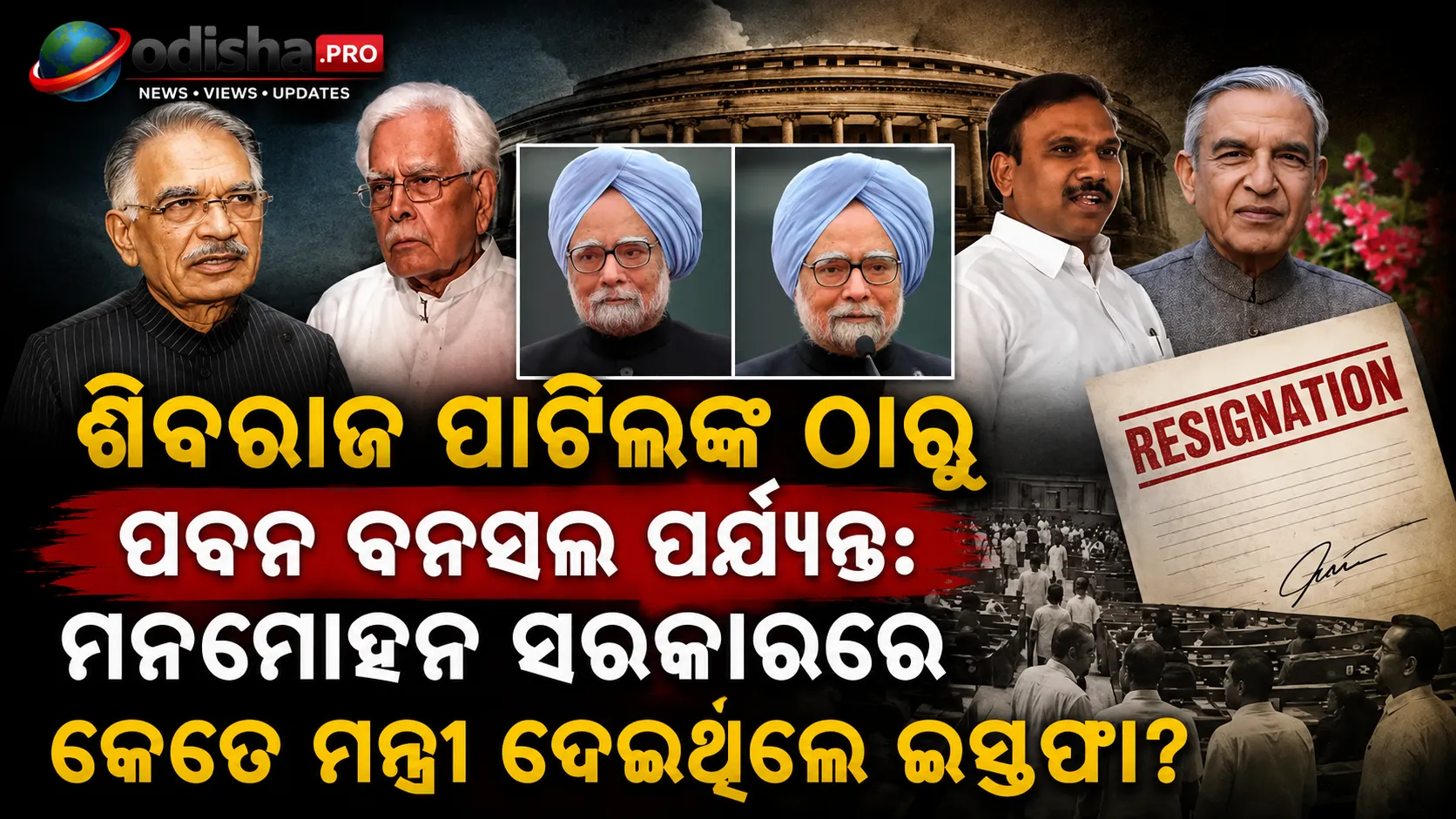
୨୦୦୪ ଲୋକସଭା ନିର୍ବାଚନ ପରେ ଡ଼. ମନମୋହନ ସିଂହଙ୍କ ନେତୃତ୍...
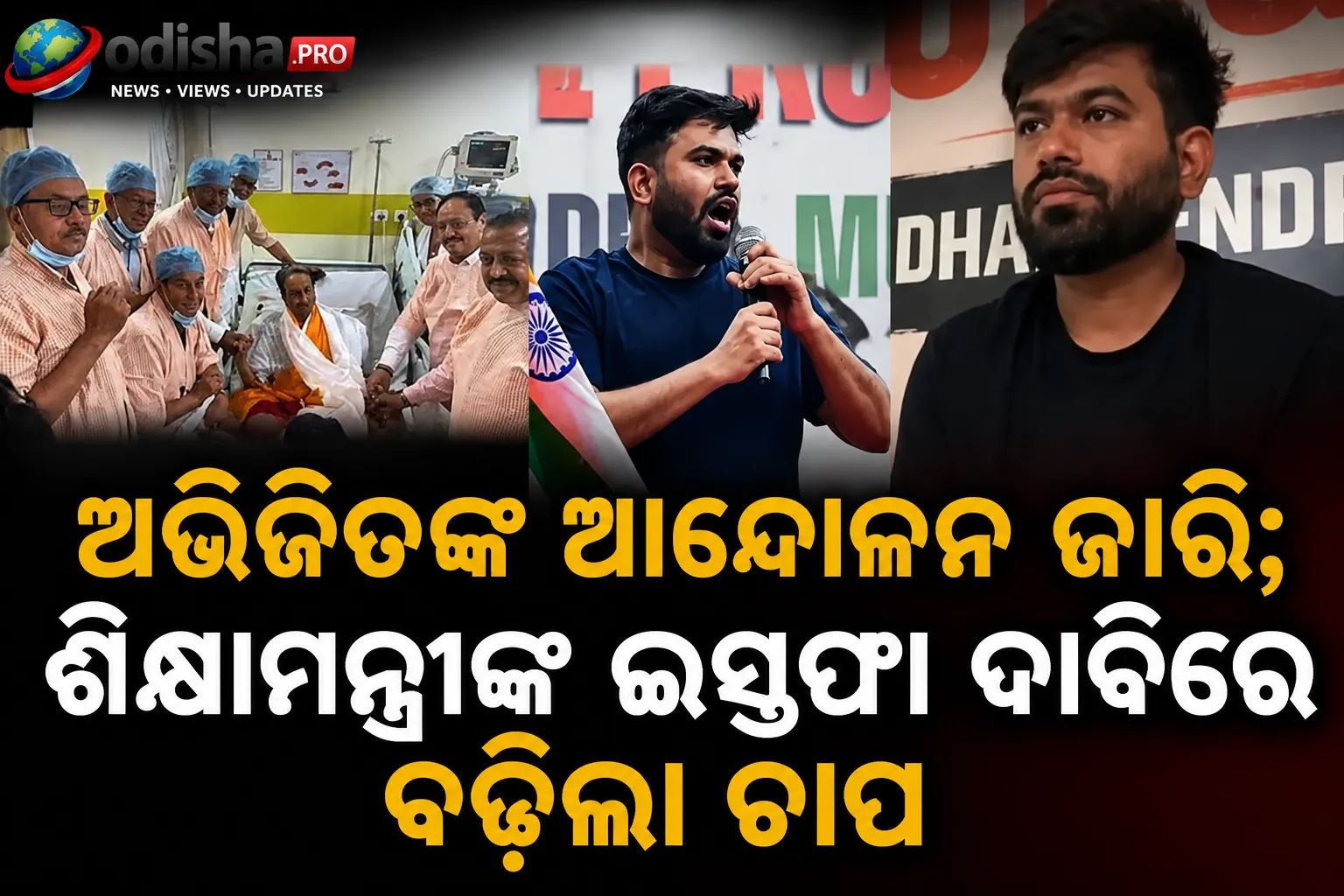
ରାଜଧାନୀ ଦିଲ୍ଲୀରେ ଆନ୍ଦୋଳନର ରାଜନୀତି ପୁଣିଥରେ ଚର୍ଚ୍ଚାର...
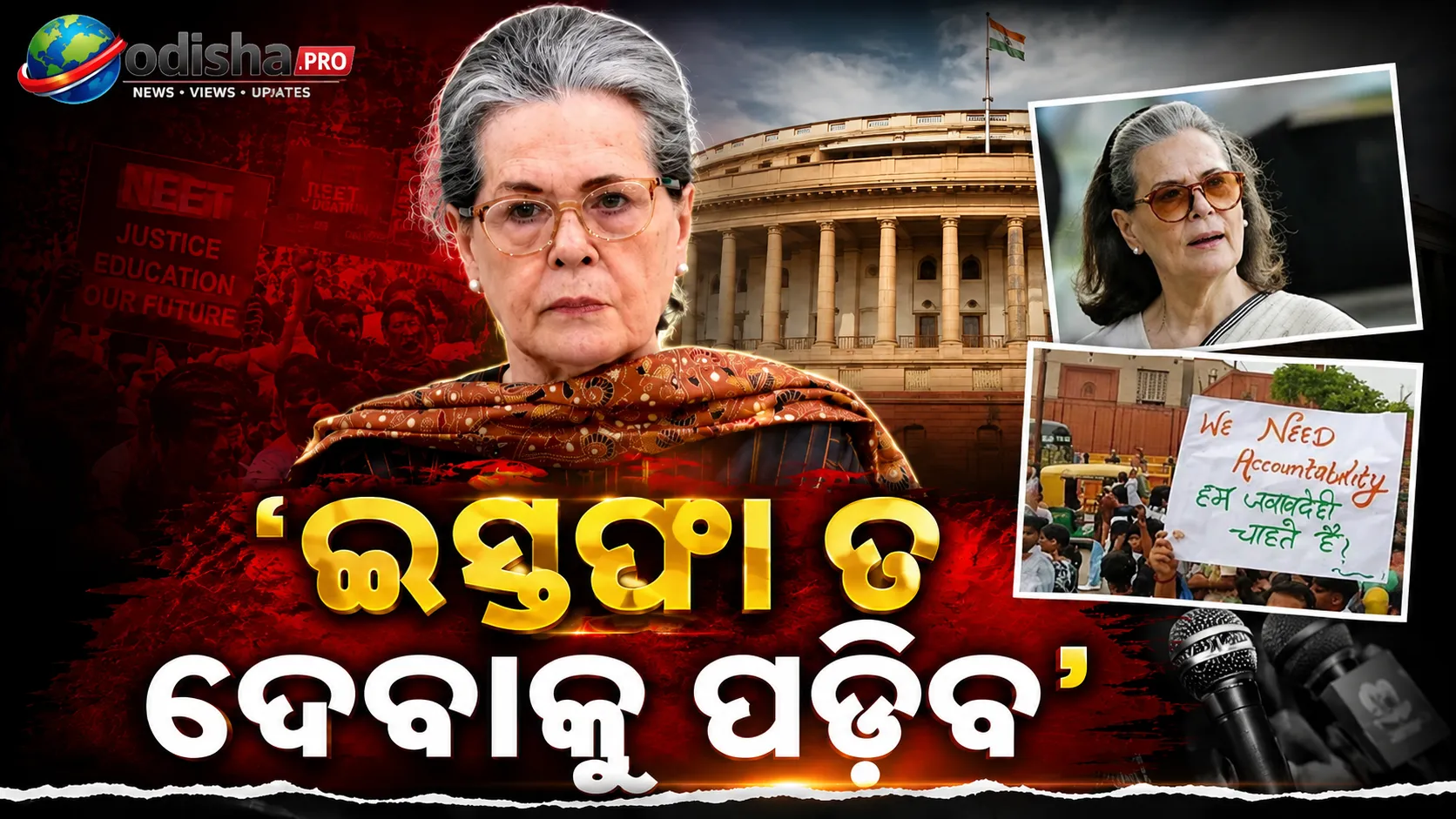
ଦେଶବ୍ୟାପୀ ନିଟ୍ ପରୀକ୍ଷା ବିବାଦ ଓ ଶିକ୍ଷା ବ୍ୟବସ୍ଥାକୁ ନ...
ଆମେରିକା ଓ ଇରାନ ମଧ୍ୟରେ ବଢ଼ୁଥିବା ସାମରିକ ସଂଘର୍ଷର ପ୍ରଭ...
ଦେଶର ରାଜଧାନୀ ଦିଲ୍ଲୀର ଜନ୍ତର-ମନ୍ତରରେ ଛାତ୍ରଛାତ୍ରୀଙ୍କ...

ମେଷ ଏହି ସପ୍ତାହ ଆପଣଙ୍କ କର୍ମକ୍ଷେତ୍ର ପାଇଁ ଉତ୍ସାହଜନ...