






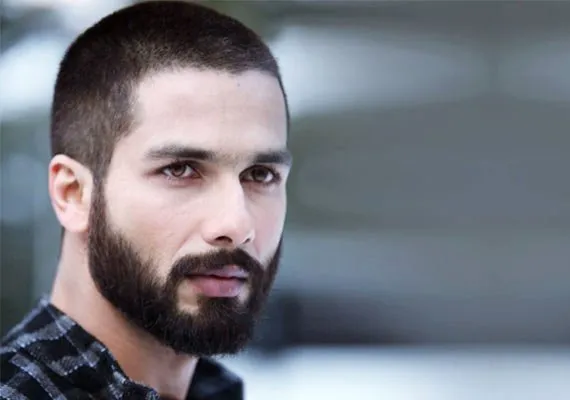
Shahid Kapoor has built his career on characters who are deliberately uncomfortable to admire, flipping the script of conventional Bollywood hero-worship. His roles—ranging from the confused, callous teenager in Ishq Vishk (2003), the morally fractured Haider (2014), the impulsive rage of Kabir Singh (2019), to the morally slippery gangster-lover in O’ Romeo—reflect a willingness to explore emotional messiness and moral ambiguity.
Unlike many leading men who chase universal appeal, Shahid chooses characters who are flawed, selfish, vulnerable, and often wrong. These men live in the gray areas between right and wrong, desire and guilt, arrogance and love. His performances make audiences question choices, observe contradictions, and engage with characters who resist easy approval.
Shahid’s collaborations with Vishal Bhardwaj, including Kaminey, Haider, and now O’ Romeo, highlight a filmmaker-actor synergy that refuses to soften his edges. Bhardwaj allows the discomfort in these characters to exist, and Shahid trusts the audience to grapple with it rather than making his flawed men palatable.
Even on the small screen with his OTT debut Farzi, Shahid continues this trajectory, playing a man suspended between ambition, guilt, and morality. It’s clear that his cinema interest lies in portraying real contradictions—men who are human, debatable, and uneasy to admire. While his choices may not be comfortable, they are undoubtedly radical, offering a refreshing break from Bollywood’s conventional hero template.
Shahid Kapoor’s legacy, therefore, isn’t built on perfect heroes, but on performances that reflect the complexity and unpredictability of human nature.
ସାଗରମାଳା କାର୍ଯ୍ୟକ୍ରମ ଅଧୀନରେ ଓଡ଼ିଶା ଦେଶର ଅଗ୍ରଣୀ ରାଜ...
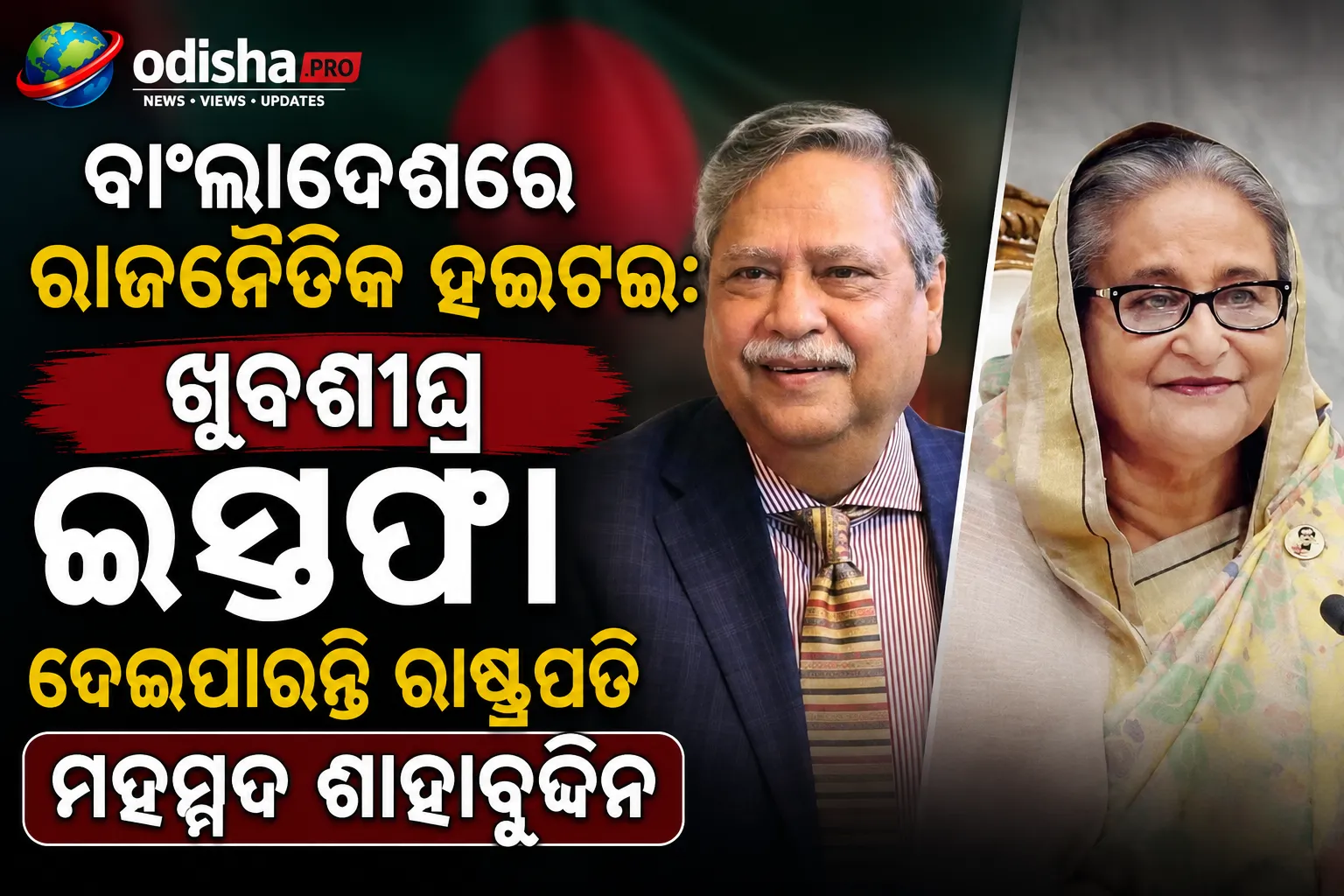
ବାଂଲାଦେଶର ରାଜନୀତିରେ ପୁଣି ଥରେ ବଡ଼ ହଇଚଇ ସୃଷ୍ଟି ହୋଇଛି...
ଅଦାନୀ ଗ୍ରୁପ୍‌ର ଅଦାନୀ ଏନର୍ଜି ସଲ୍ୟୁସନ୍ସ ଲିମିଟେଡ...
ଓଡ଼ିଶାକୁ ମିଳିଛି ଆଉ ଏକ ବଡ଼ ଶିଳ୍ପ ପ୍ରକଳ୍ପ। କେନ୍ଦ୍ର ସ...
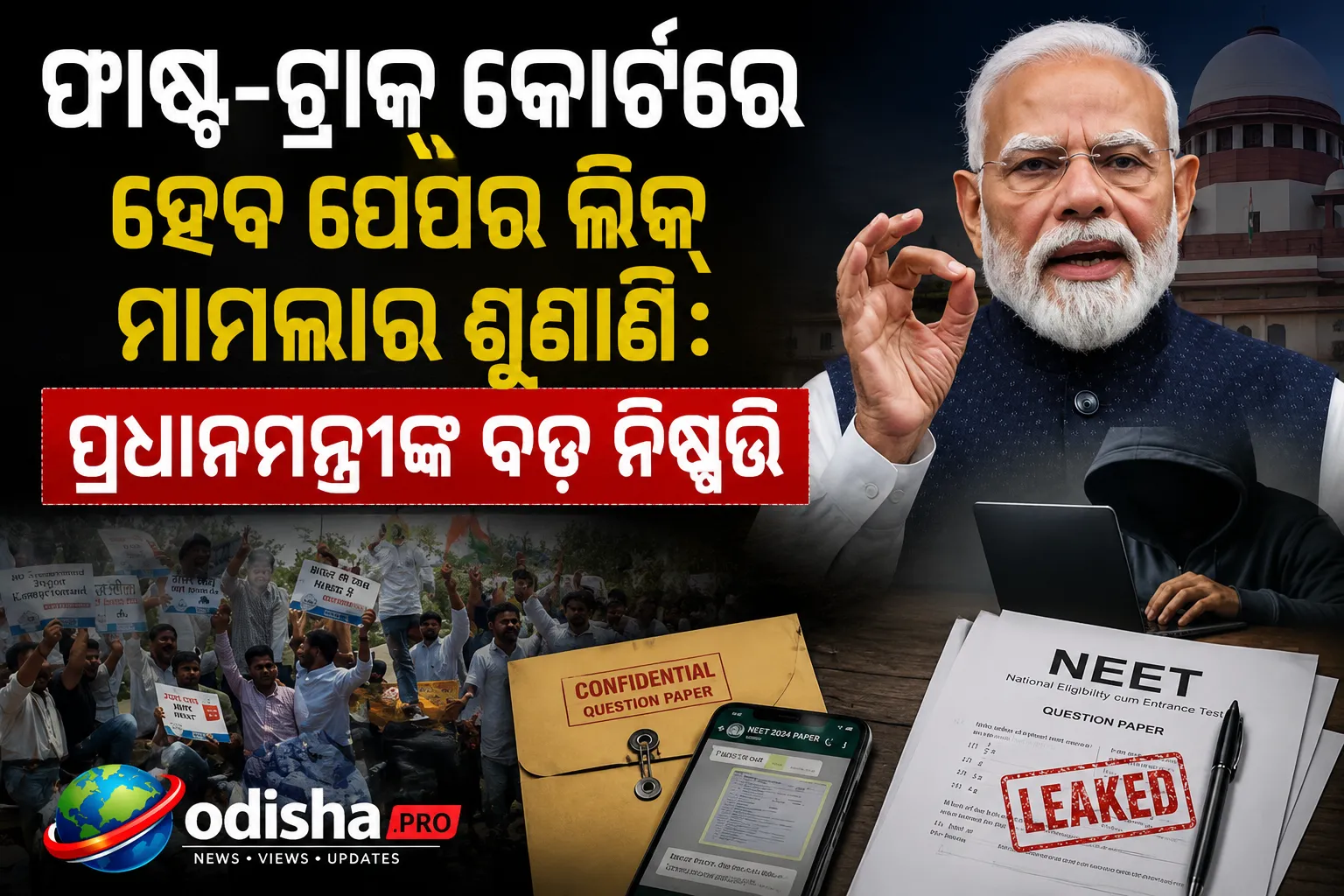
ରାଜଧାନୀ ଦିଲ୍ଲୀର ଜନ୍ତରମନ୍ତରରେ ଛାତ୍ରଛାତ୍ରୀଙ୍କ ବିରୋଧ...
ଆମେରିକା ଓ ଇରାନ ମଧ୍ୟରେ ବଢ଼ୁଥିବା ସାମରିକ ସଂଘର୍ଷର ପ୍ରଭ...

ମେଷ ଏହି ସପ୍ତାହ ଆପଣଙ୍କ କର୍ମକ୍ଷେତ୍ର ପାଇଁ ଉତ୍ସାହଜନ...
ରାଜଧାନୀ ଦିଲ୍ଲୀରେ ଚାଲିଥିବା ତୀବ୍ର ପ୍ରତିବାଦ ଓ ଆନ୍ଦୋଳନ...
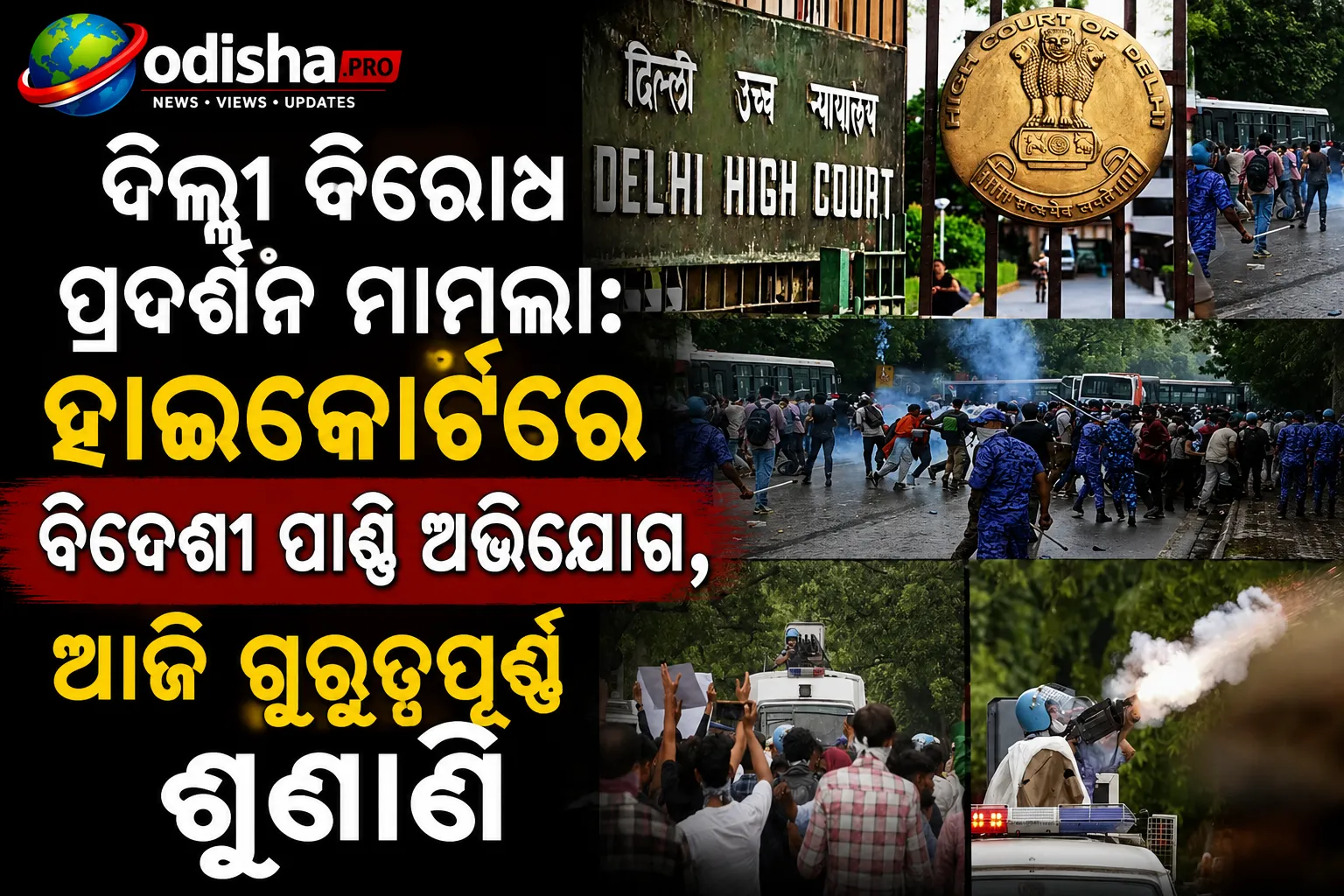
ଦିଲ୍ଲୀର ଜନ୍ତର-ମନ୍ତରରେ ସମ୍ପ୍ରତି ଆୟୋଜିତ ସିଜେପିର&lsqu...