






The Reserve Bank of India (RBI) has issued draft guidelines aimed at curbing the mis-selling of financial products by banks and strengthening customer protection. The proposed framework, titledReserve Bank of India (Commercial Banks – Responsible Business Conduct) Amendment Directions, 2026, is set to come into effect from July 1, 2026, subject to final approval.
The draft rules come amid rising concerns that customers are often pressured into purchasing insurance policies, mutual funds, and other third-party financial products without fully understanding the associated risks, costs, or features. The issue had also been highlighted by Union Finance Minister Nirmala Sitharaman, who last year urged banks to curb mis-selling and preserve public trust in the banking system.
A key highlight of the draft is the requirement for banks to provide a full refund if mis-selling is proven. In addition, banks must compensate customers for any financial losses suffered due to such mis-selling, in accordance with their internal policies. Customers can file complaints within 30 days of receiving the signed terms and conditions, unless a specific timeline has already been set by the relevant sector regulator.
The RBI has proposed a strict ban on incentives from third parties, such as insurance companies and mutual fund houses, to bank employees involved in marketing and sales. The draft states that no employee should receive direct or indirect incentives from third parties for selling their products.
This move could significantly impact the distribution model of insurance firms and asset management companies, which heavily rely on banks for product sales.
The regulator has made it clear that banks cannot bundle third-party products with their own offerings. If a bank’s product is linked to the purchase of a third-party product, customers must have the freedom to choose the provider. Additionally, banks cannot market third-party products as if they are their own.
The draft directs banks to review internal sales targets and incentive structures to ensure they do not encourage aggressive or unfair selling practices. Competitions among business units and unrealistic targets must not create pressure on employees or agents to push unsuitable products.
To ensure transparency and informed decision-making, banks must establish a mechanism to seek customer feedback within 30 days of selling any product or service. The feedback will confirm whether customers understood the product’s features and risks. Banks must compile half-yearly reports based on this feedback to review their policies and offerings.
The RBI has emphasized that banks must obtain explicit customer consent before selling any product or service. Importantly, banks cannot fund the purchase of any product—whether their own or third-party—through a loan without clear and informed consent from the customer.
In a significant step toward digital transparency, the draft prohibits banks from using “dark patterns” on websites or apps. Practices such as false urgency, basket sneaking, confirm shaming, or subscription traps are explicitly disallowed.
Banks must also assess product suitability by considering factors such as risk-return profile, time horizon, complexity, fees, and the customer’s age, income, and financial literacy before recommending any product.
The draft lays down strict guidelines for direct selling agents and marketing representatives. Calls and visits should typically take place between 9 am and 6 pm unless the customer consents otherwise. Agents must carry visible identification and be clearly distinguishable from bank employees.
Banks are also required to create a formal code of conduct for employees and agents, with penal provisions for violations.
The RBI has proposed July 1, 2026, as the effective date for these norms. Public feedback on the draft can be submitted until March 4, 2026.
If implemented in its current form, the new framework could significantly alter how banks distribute financial products, particularly insurance and mutual funds. The move signals a tighter regulatory approach focused on responsible business conduct, transparency, and safeguarding customer interests in India’s banking sector.

ଉଚ୍ଚଶିକ୍ଷା ପାଇଁ ବଢ଼ୁଥିବା ଖର୍ଚ୍ଚ ଅନେକ ପରିବାରଙ୍କ ପାଇ...

ଅଗଷ୍ଟ ମାସରୁ ଭୁବନେଶ୍ୱରର ବିଜୁ ପଟ୍ଟନାୟକ ଆନ୍ତର୍ଜାତୀୟ ବ...
କେନ୍ଦ୍ର ଶିକ୍ଷାମନ୍ତ୍ରୀଧର୍ମେନ୍ଦ୍ର ପ୍ରଧାନଙ୍କ ଇସ୍ତଫାପର...

ରାଷ୍ଟ୍ରପତି ଦ୍ରୌପଦୀ ମୁର୍ମୁ ଆସନ୍ତା ଅଗଷ୍ଟ ୩ରୁ ୫ ତାରିଖ...

ଦେଶରେ ଚିକିତ୍ସା ଶିକ୍ଷା ଓ ସ୍ୱାସ୍ଥ୍ୟସେବାକୁ ଆହୁରି ସୁଦୃ...

ଦେଶର ବିଭିନ୍ନ ସ୍ଥାନରେ ଚାଲିଥିବା ଛାତ୍ର ଆନ୍ଦୋଳନ ଏବଂ ପ୍...
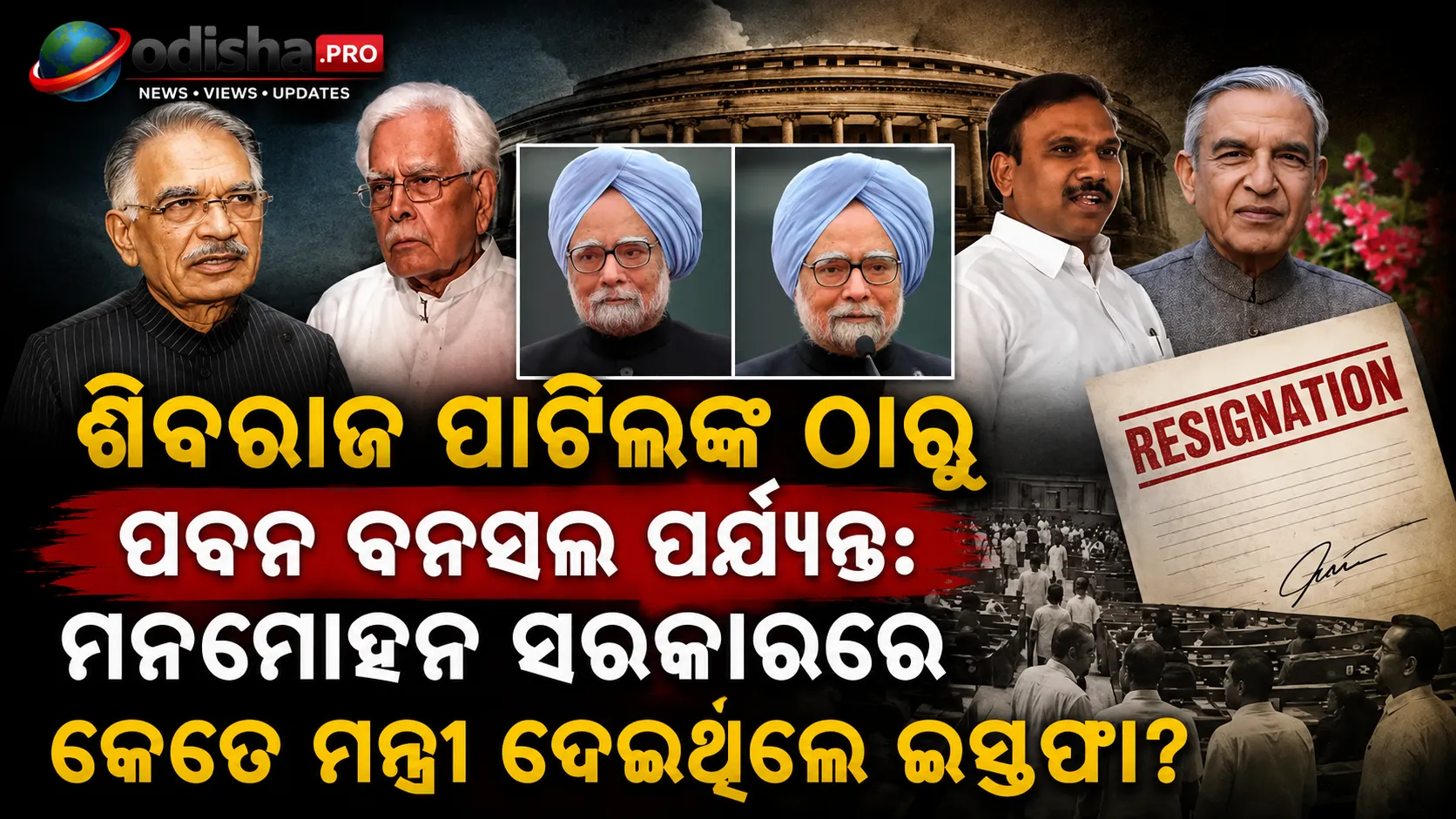
୨୦୦୪ ଲୋକସଭା ନିର୍ବାଚନ ପରେ ଡ଼. ମନମୋହନ ସିଂହଙ୍କ ନେତୃତ୍...
ରାଜଧାନୀ ଦିଲ୍ଲୀରେ ଆନ୍ଦୋଳନର ରାଜନୀତି ପୁଣିଥରେ ଚର୍ଚ୍ଚାର...

ଦେଶବ୍ୟାପୀ ନିଟ୍ ପରୀକ୍ଷା ବିବାଦ ଓ ଶିକ୍ଷା ବ୍ୟବସ୍ଥାକୁ ନ...
କେନ୍ଦ୍ର ଶିକ୍ଷାମନ୍ତ୍ରୀ ପଦରୁ ଧର୍ମେନ୍ଦ୍ର ପ୍ରଧାନଙ୍କ ଇସ...