




Former UK royal Prince Andrew Mountbatten-Windsor has come under renewed scrutiny following allegations that he charged UK taxpayers for massage services and incurred excessive travel expenses while serving as Britain’s Special Representative for International Trade and Investment from 2001 to 2011.
According to a BBC investigation citing retired civil servants, one official objected to approving a taxpayer-funded expense claim for massage services during Andrew’s Middle East visit but was overruled by senior authorities. Other former officials also described lavish spending on flights, luxury hotels, and large entourages, blaming weak oversight and a culture of deference within government departments.
The latest controversy adds to mounting legal and public pressure on Andrew, who was recently arrested and questioned over alleged misconduct in public office linked to his association with convicted sex offender Jeffrey Epstein. He has denied all allegations and maintains he did not benefit financially from his trade envoy position.
The UK Department for Business and Trade has acknowledged the claims but pointed to ongoing police investigations and noted that the trade envoy system has since been reformed. Meanwhile, British lawmakers, including Tom Tugendhat, have called for a broader inquiry into Andrew’s conduct and oversight of taxpayer-funded roles.
The allegations could further damage Andrew’s reputation and intensify political pressure for accountability and reform.
ଭାରତ ଓ ଜିମ୍ବାୱେ ମଧ୍ୟରେ ଜୁଲାଇ ୨୩ରୁ ଆରମ୍ଭ ହେବାକୁ ଥିବ...
ଟେଷ୍ଟ ଓ ଟି-୨୦ ଆନ୍ତର୍ଜାତୀୟ କ୍ରିକେଟ୍ରୁ ସନ୍ନ୍ୟାସ ନେବା...
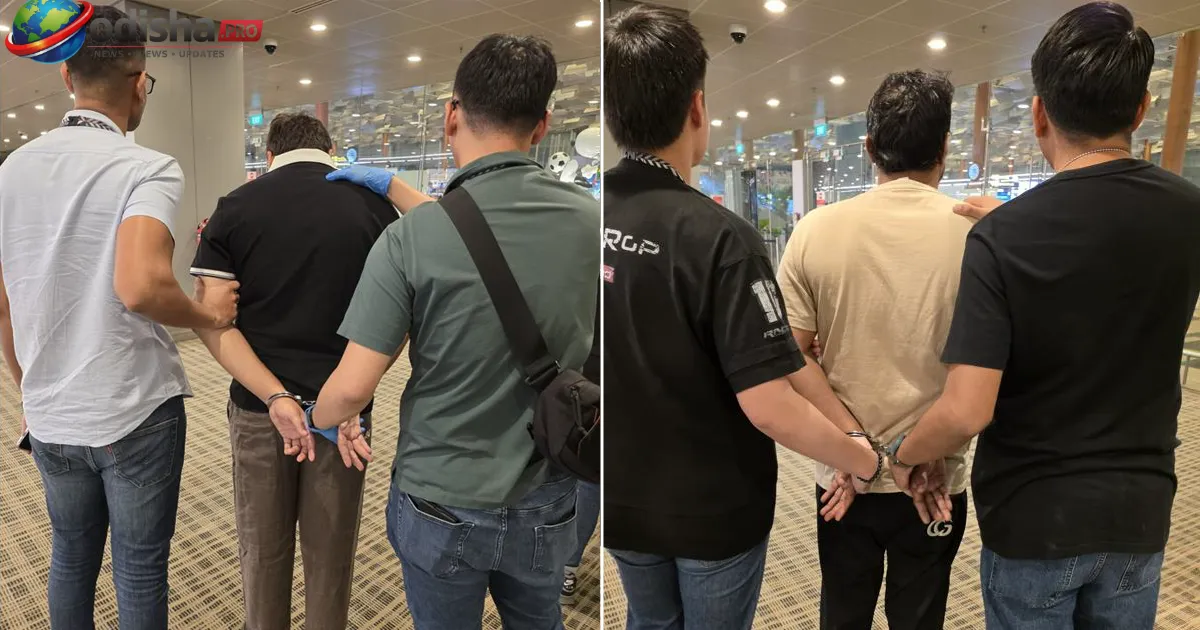
ଫିଲ୍ମୀ ଶୈଳୀରେ ଏକ ହୀରା ଚୋରି ଘଟଣା ଏବେ ଚର୍ଚ୍ଚାର ବିଷୟ...
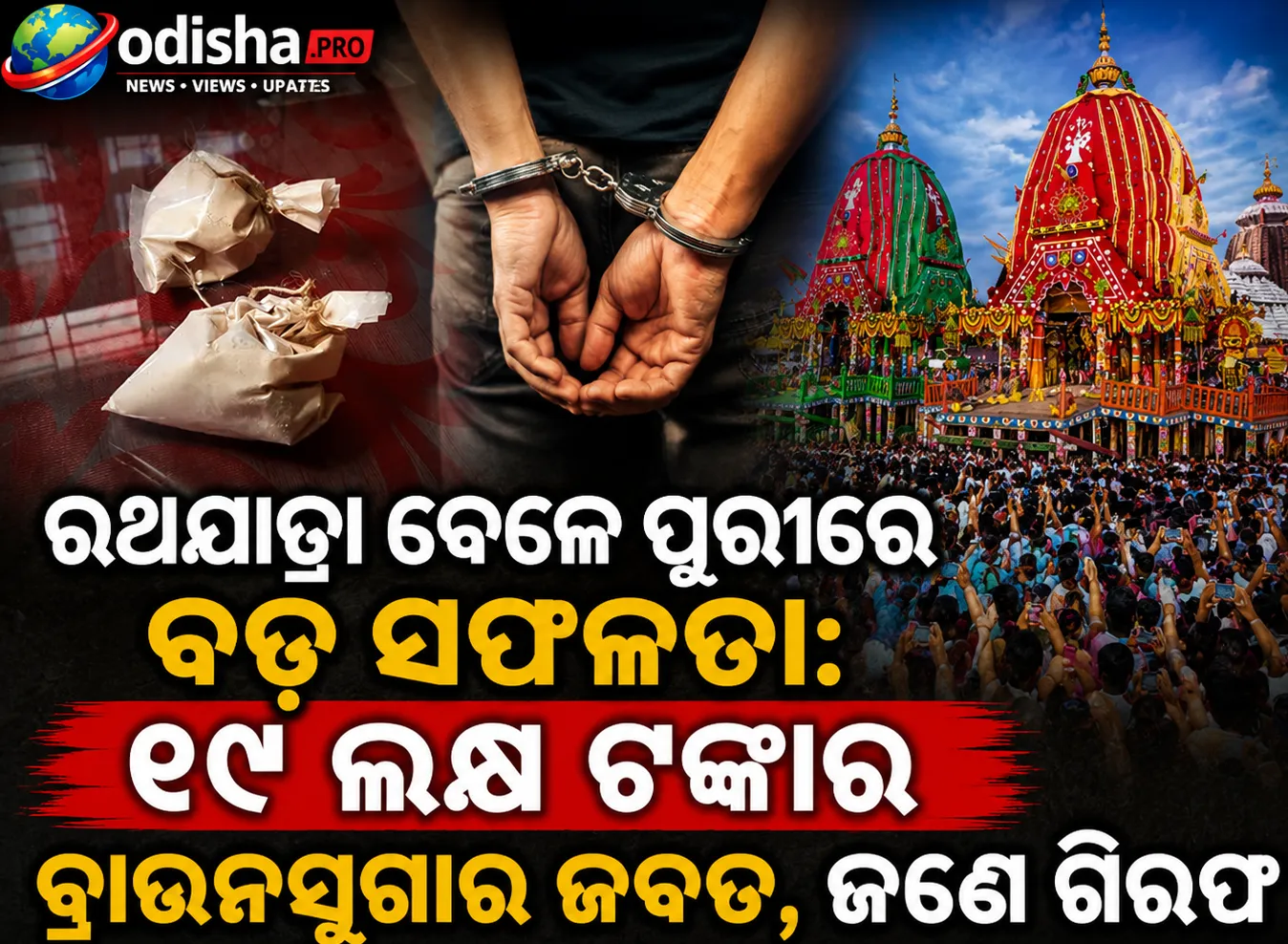
ରଥଯାତ୍ରା ସମୟରେ ପୁରୀରେ ନିଶା କାରବାର ଉପରେ କଡ଼ା ନଜର ରଖ...

ସାଇବର ଠକମାନେ ଏବେ ସୋସିଆଲ ମିଡିଆ ପ୍ଲାଟଫର୍ମ ‘X&r...
ଚୀନ୍ ଓପେନ୍ ବ୍ୟାଡମିଣ୍ଟନ୍ ଟୁର୍ଣ୍ଣାମେଣ୍ଟରେ ଭାରତର ଷ୍ଟା...
ଭାରତୀୟ କ୍ରିକେଟ୍ ଦଳର ପୂର୍ବତନ ଅଫ୍‌ ସ୍ପିନର ରବିଚନ...
ମେଷ ଏହି ସପ୍ତାହ ଆପଣଙ୍କ କର୍ମକ୍ଷେତ୍ର ପାଇଁ ଉତ୍ସାହଜନ...
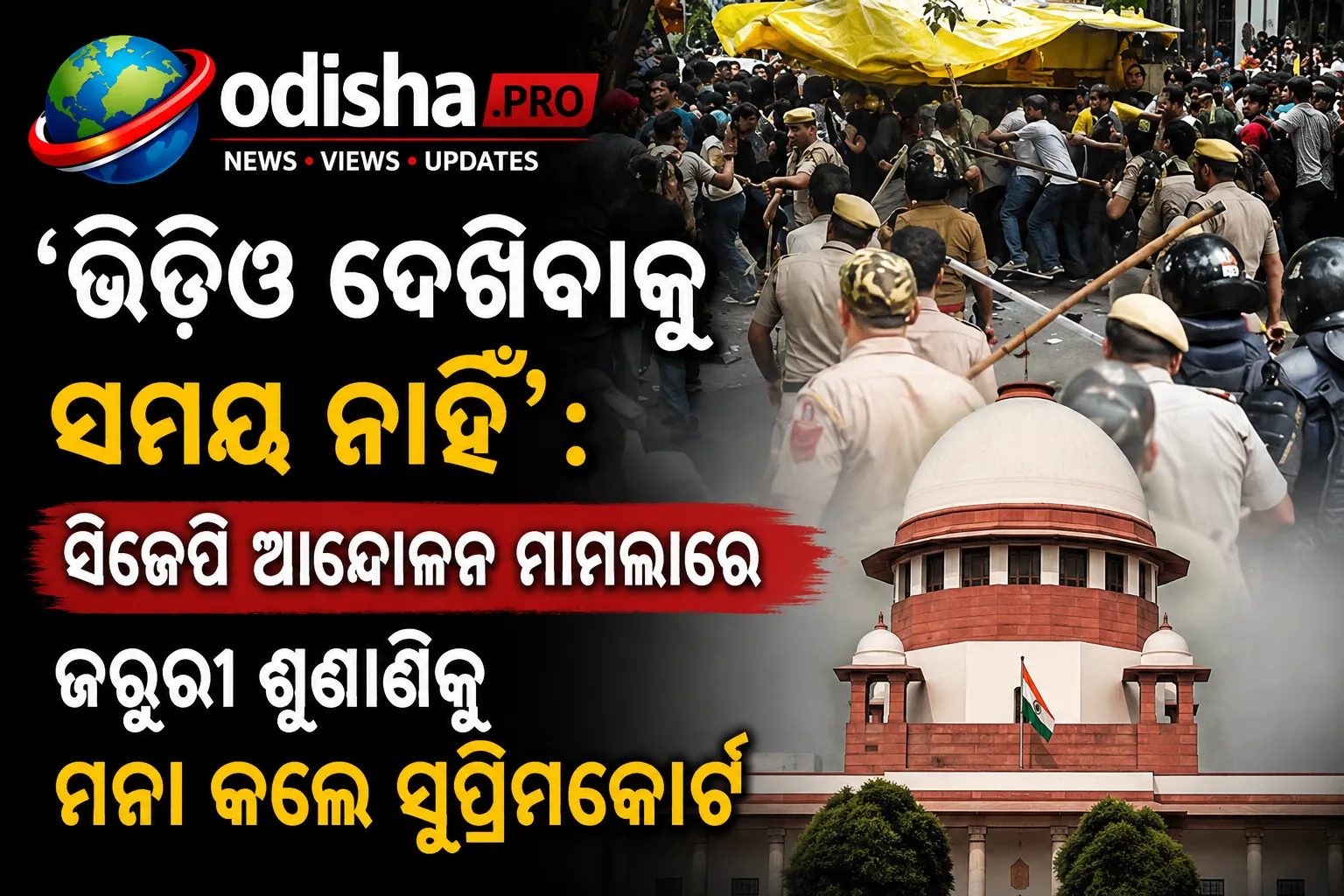
ଦିଲ୍ଲୀର ଜନ୍ତର ମନ୍ତରରେ **‘କୋକରୋଚ୍ ଜନତା ପାର୍ଟି...