










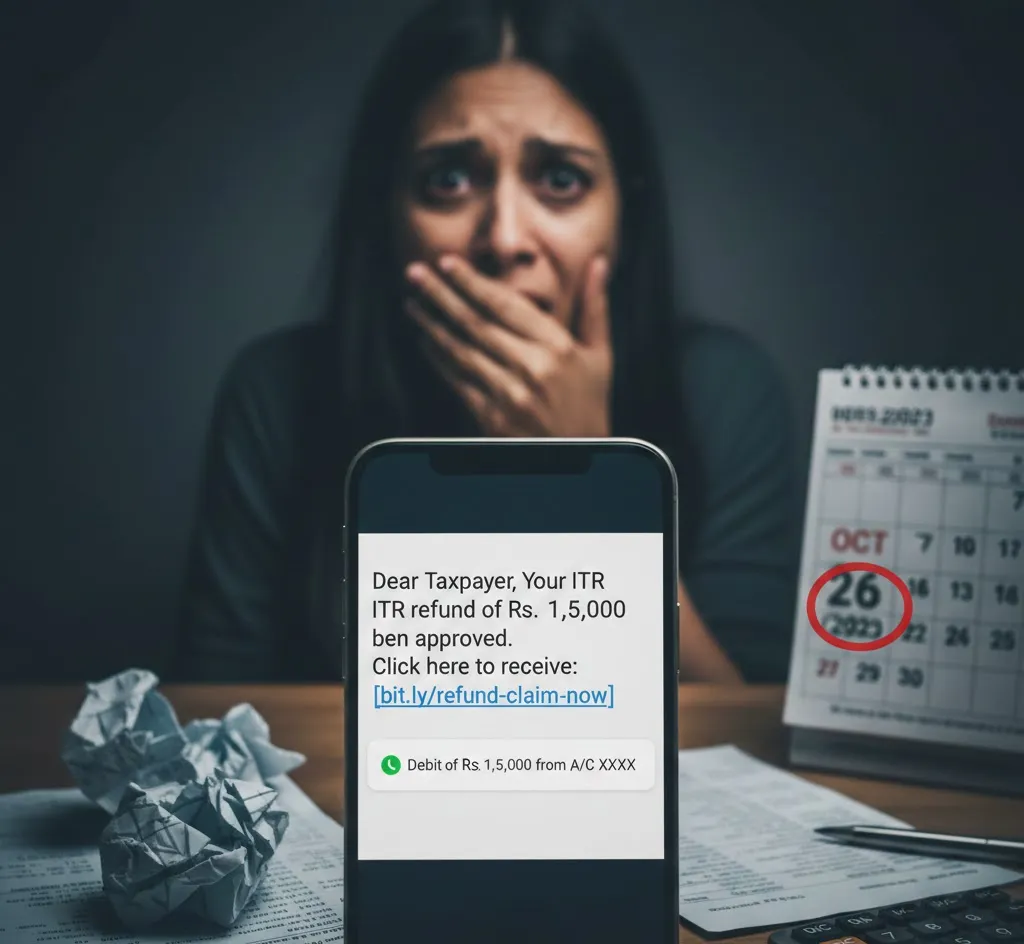
Tax season often brings relief — especially when you’re expecting a refund. But scammers know this too.
In a recent case, a taxpayer lost ₹1.5 lakh after receiving a fake ITR refund message that looked completely legitimate. The message appeared to come from the Income Tax Department and claimed that a refund was pending.
Here’s how the scam unfolded.
The victim received an SMS stating that a refund had been processed and required verification. The message included a link that closely resembled the official Income Tax Department portal.
The URL looked authentic — but it was a spoofed website.
After clicking the link, the victim was redirected to a fake webpage designed to look like the official Income Tax e-Filing Portal.
The site asked for:
PAN number
Date of birth
Bank account details
Debit card information
OTP for “verification”
Everything appeared routine — but it wasn’t.
Once the victim entered the details, scammers initiated unauthorized transactions. The OTP shared for “refund verification” was actually used to approve money transfers.
Within minutes, ₹1.5 lakh was debited from the bank account.
Timing:During tax season, refund messages feel believable.
Urgency:Messages often say “Act within 24 hours.”
Realistic Websites:Fake portals mimic government branding.
Trust Factor:Government names lower suspicion.
Cybercriminals rely on panic and excitement.
Refund messages from unknown mobile numbers
Links that don’t end in official government domains
Requests for debit/credit card details for refund processing
Asking for OTP over phone or website
Remember: The Income Tax Department never asks for confidential banking credentials via SMS or email.
Always manually type the official portal address in your browser.
Never click refund links from SMS or WhatsApp.
Do not share OTP with anyone.
Enable transaction alerts on your bank account.
Report suspicious messages immediately.
If you fall victim:
Contact your bank immediately
File a complaint on the national cybercrime portal
Inform your local police station
Acting quickly can sometimes help freeze transactions.
Scams today look professional and convincing. A single click on a fake ITR refund link can cost you your hard-earned money.
Always verify before you trust. When it comes to financial messages — caution is your best defense.
ମହାଭାରତର ଅତ୍ୟନ୍ତ ଚର୍ଚ୍ଚିତ ଓ ଜଟିଳ ଚରିତ୍ର କର୍ଣ୍ଣଙ୍କ...
ଗଣେଶ ଚତୁର୍ଥୀ ପର୍ବର ମାହୋଲ ମଧ୍ୟରେ ମୁମ୍ବାଇର ପ୍ରସିଦ୍ଧଲ...
ଭୁବନେଶ୍ୱର: ବଙ୍ଗୋପସାଗରରେ ସୃଷ୍ଟି ହୋଇଥିବା ଅବପାତ ଏବେ ଓ...

ରାଜ୍ୟର ସ୍କୁଲଗୁଡ଼ିକରେ ପିଲାମାନଙ୍କୁ ଦିଆଯାଉଥିବା ମଧ୍ୟାହ...
ମାଲାୟାଲମ୍ ସିନେମା‘Bethlehem Kudumba Unit&rsqu...
ଭୁବନେଶ୍ୱର: ବଙ୍ଗୋପସାଗରରେ ସୃଷ୍ଟି ହୋଇଥିବା ଅବପାତ ଏବେ ଓ...
ଭୁବନେଶ୍ୱର: ବଙ୍ଗୋପସାଗରରେ ଗଠିତ ଅବପାତ ଏବେ ଓଡ଼ିଶା ପାଇଁ...

ଓଡ଼ିଶାର ସରକାରୀ ସ୍କୁଲଗୁଡ଼ିକରେ ନୂଆ ପାଠ୍ୟକ୍ରମ ଅନୁଯାୟୀ...
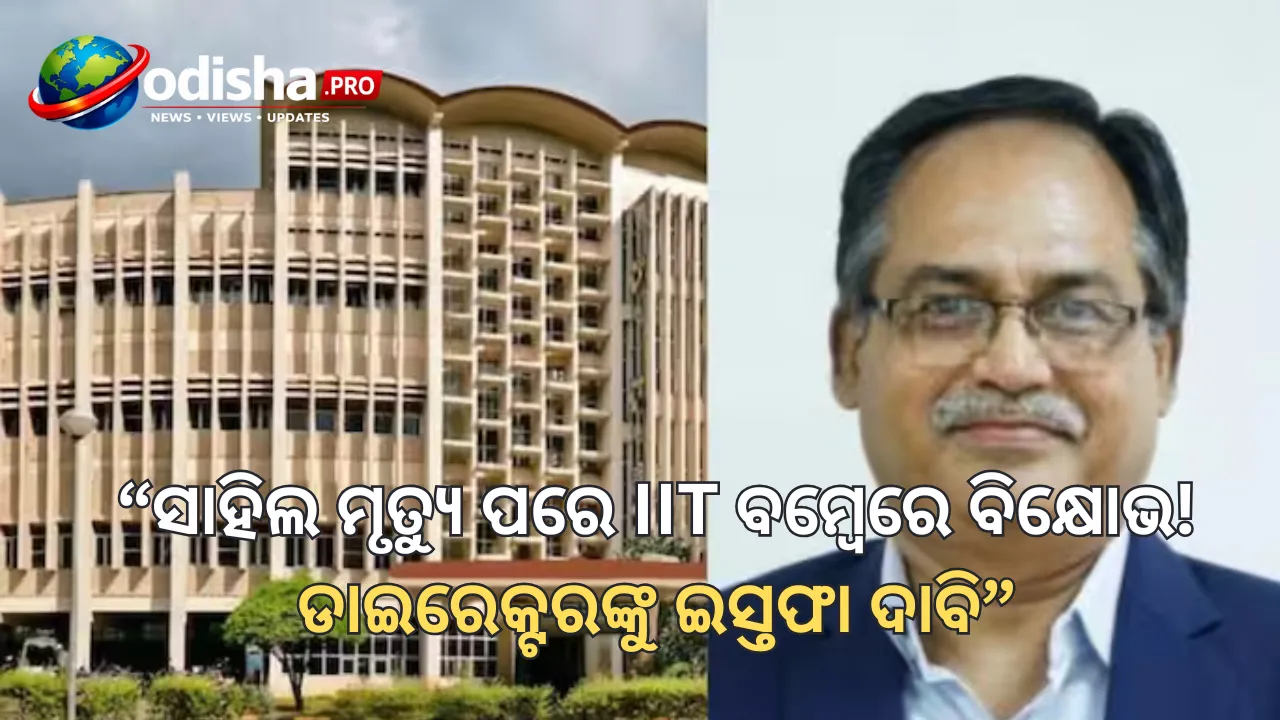
ମୁମ୍ବାଇରଆଇଆଇଟି ବମ୍ବେରେ ଛାତ୍ର ସାହିଲ ରବୀନ୍ଦ୍ର ୱାକୋଡେ...

IIT Bombayର ଦ୍ୱିତୀୟ ବର୍ଷର BTech ଛାତ୍ର ସାହିଲ ରବୀନ୍ଦ...
ବଙ୍ଗୋପସାଗରରେ ସୃଷ୍ଟି ହୋଇଥିବା ଗଭୀର ଅବପାତ ଅଧିକ ଶକ୍ତିଶ...
ବଲିଉଡର ଲୋକପ୍ରିୟ ସସପେନ୍ସ-ଥ୍ରିଲର୍ ଫ୍ରାଞ୍ଚାଇଜ୍ **&lsq...