


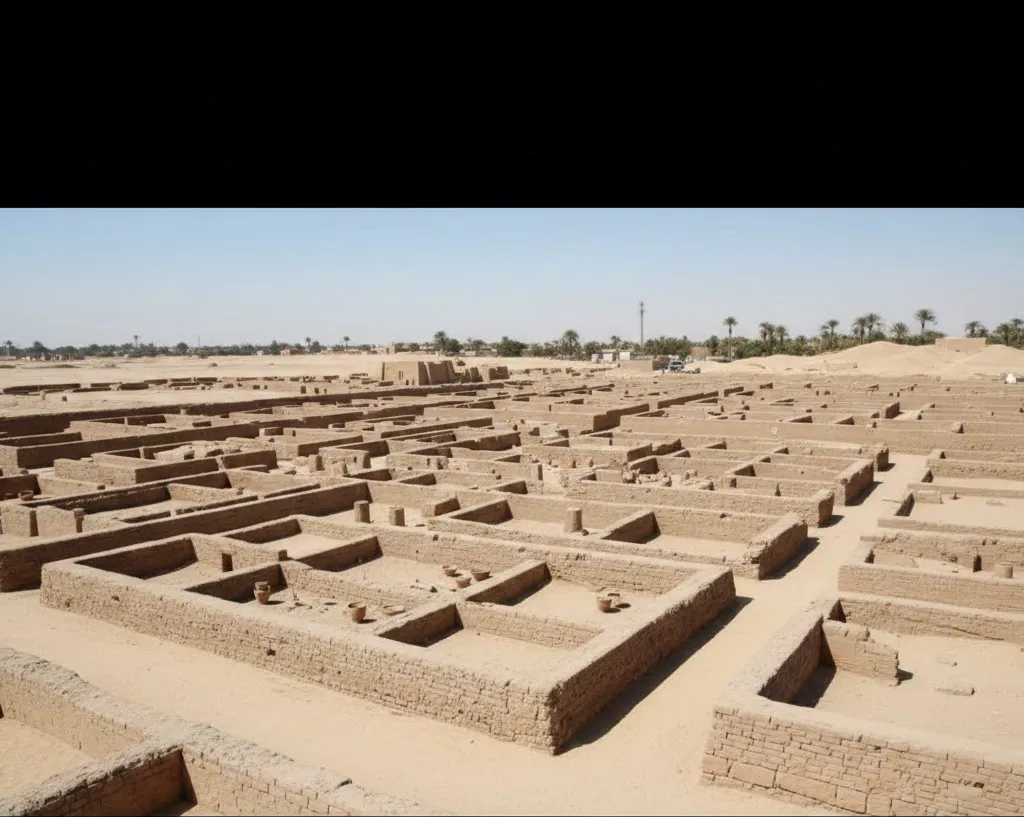
Egyptian archaeologists have uncovered a sprawling royal city near Luxor, dating back nearly 3,400 years, during the reign of Pharaoh Amenhotep III. The settlement, later used by his son Akhenaten, features well-planned streets, mudbrick homes up to nine feet high, workshops, administrative structures, and burial areas.
Artifacts such as pottery, tools, and food remains suggest sudden abandonment and provide a snapshot of everyday life. Evidence of metalworking, glass production, bakeries, and large kitchens indicates a highly organised urban and labour system designed to support the royal court.
The city remained in use into the reigns of Tutankhamun and Ay, highlighting its lasting significance. This discovery, termed the “Lost Golden City of Luxor,” is among the most important archaeological finds in Egypt in decades, shedding light on governance, industry, and urban life during the New Kingdom.

ରାଜଧାନୀ ଦିଲ୍ଲୀର ଜନ୍ତର ମନ୍ତରରେ ଚାଲିଥିବା ଛାତ୍ର ଆନ୍ଦୋ...

ସାଗରମାଳା କାର୍ଯ୍ୟକ୍ରମ ଅଧୀନରେ ଓଡ଼ିଶା ଦେଶର ଅଗ୍ରଣୀ ରାଜ...

ବଲାଙ୍ଗିର ଜିଲ୍ଲାର ଲୋୟର ସୁକତେଲ ପ୍ରକଳ୍ପକୁ ନେଇ ମଙ୍ଗଳବା...

ସଂସଦର ମୌସୁମୀ ଅଧିବେଶନର ତୃତୀୟ ଦିନ ବୁଧବାର ବିରୋଧୀ ସାଂସ...

ଦିଲ୍ଲୀର ଜନ୍ତର ମନ୍ତରରେ **‘କୋକରୋଚ୍ ଜନତା ପାର୍ଟି...

ଅଦାନୀ ଗ୍ରୁପ୍‌ର ଅଦାନୀ ଏନର୍ଜି ସଲ୍ୟୁସନ୍ସ ଲିମିଟେଡ...

ରାଷ୍ଟ୍ରପତି ଦ୍ରୌପଦୀ ମୁର୍ମୁ ଆସନ୍ତା ଅଗଷ୍ଟ ୩ରୁ ୫ ତାରିଖ...

ସଂସଦର ମୌସୁମୀ ଅଧିବେଶନର ଆଜି ତୃତୀୟ ଦିନ। ଗତ ଦୁଇ ଦିନ ଧର...

ଓଡ଼ିଶାକୁ ମିଳିଛି ଆଉ ଏକ ବଡ଼ ଶିଳ୍ପ ପ୍ରକଳ୍ପ। କେନ୍ଦ୍ର ସ...